The 7 Must-See Wonders in Ho Chi Minh City You Can’t Miss!
The Humidity of History: A Descent into Saigon
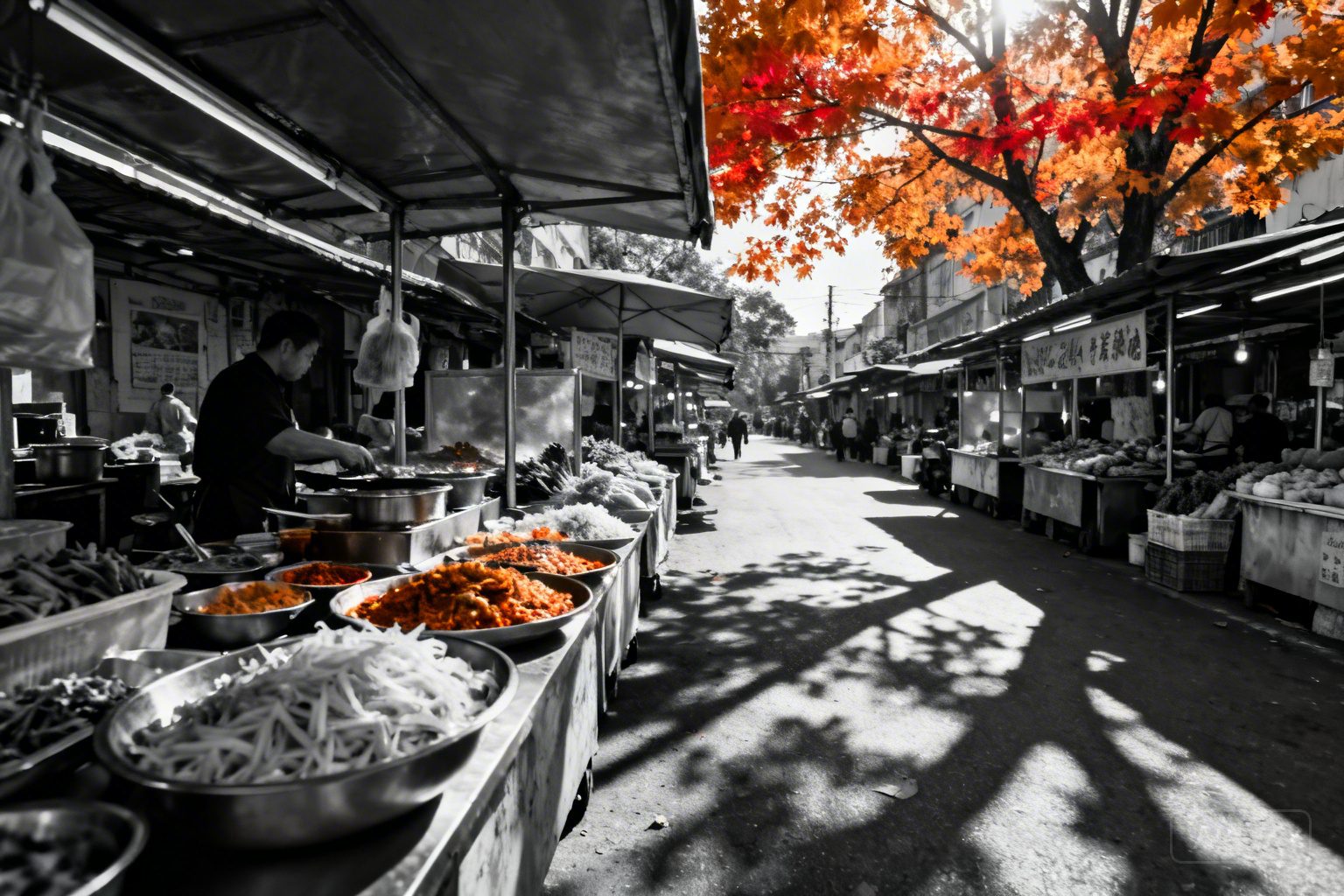
The humidity in Ho Chi Minh City doesn’t just sit on your skin; it introduces itself, heavy and scented with roasted coffee and exhaust, a persistent ghost that refuses to leave your side. To call this city “Saigon” is not merely a political statement or a nostalgic nod; it is a recognition of a dual soul. It is a metropolis of thirteen million souls, a frantic, neon-soaked ballet where the pavement is never truly still and the air vibrates with the low-frequency hum of eight million motorbikes. To understand it, one must stop fighting the chaos and instead step directly into the slipstream.
I found myself standing at the intersection of Le Loi and Pasteur as the blue hour dissolved into a bruised purple. The light caught the peeling, ochre paint of a colonial-era shophouse, the texture of the masonry resembling a topographical map of a forgotten empire. Beside me, an office worker in a crisp white shirt—his forehead glistening with a fine sheen of perspiration—maneuvered his Honda Lead with the surgical precision of a diamond cutter, balancing a plastic bag of iced tea between his knees. He didn’t look at the traffic; he felt it. This is the first law of the city: movement is the only constant.
1. The Basilica of Red Brick: Notre-Dame Cathedral of Saigon
There is a specific silence that exists within the shadow of the Notre-Dame Cathedral Basilica of Saigon, a silence that feels heavy with the weight of Marseille-imported brick. Built between 1863 and 1880, the structure stands as a defiant European sentinel in the heart of a tropical sprawl. The bricks are not merely red; they are a scorched earth hue, textured with a century of monsoons and city soot. If you run your fingers along the exterior, the grit feels like history itself—dry, stubborn, and abrasive.
Across the square, a woman in a conical hat (the nón lá) sells small bags of birdseed. Her hands are a cartography of labor, knuckles swollen and skin the color of well-steeped tea. She doesn’t cry out her wares; she simply rattles a tin cup, a rhythmic metallic tinkle that cuts through the roar of the engines. Watching her, you realize that while the twin bell towers reach for a Catholic heaven, the life of the city happens at the level of the sidewalk, in the exchange of a few thousand Vietnamese Dong for the flight of a pigeon.