The 7 Must-See Wonders in Istanbul You Can’t Miss!
The Ghost in the Machine: How to Actually Live in Istanbul
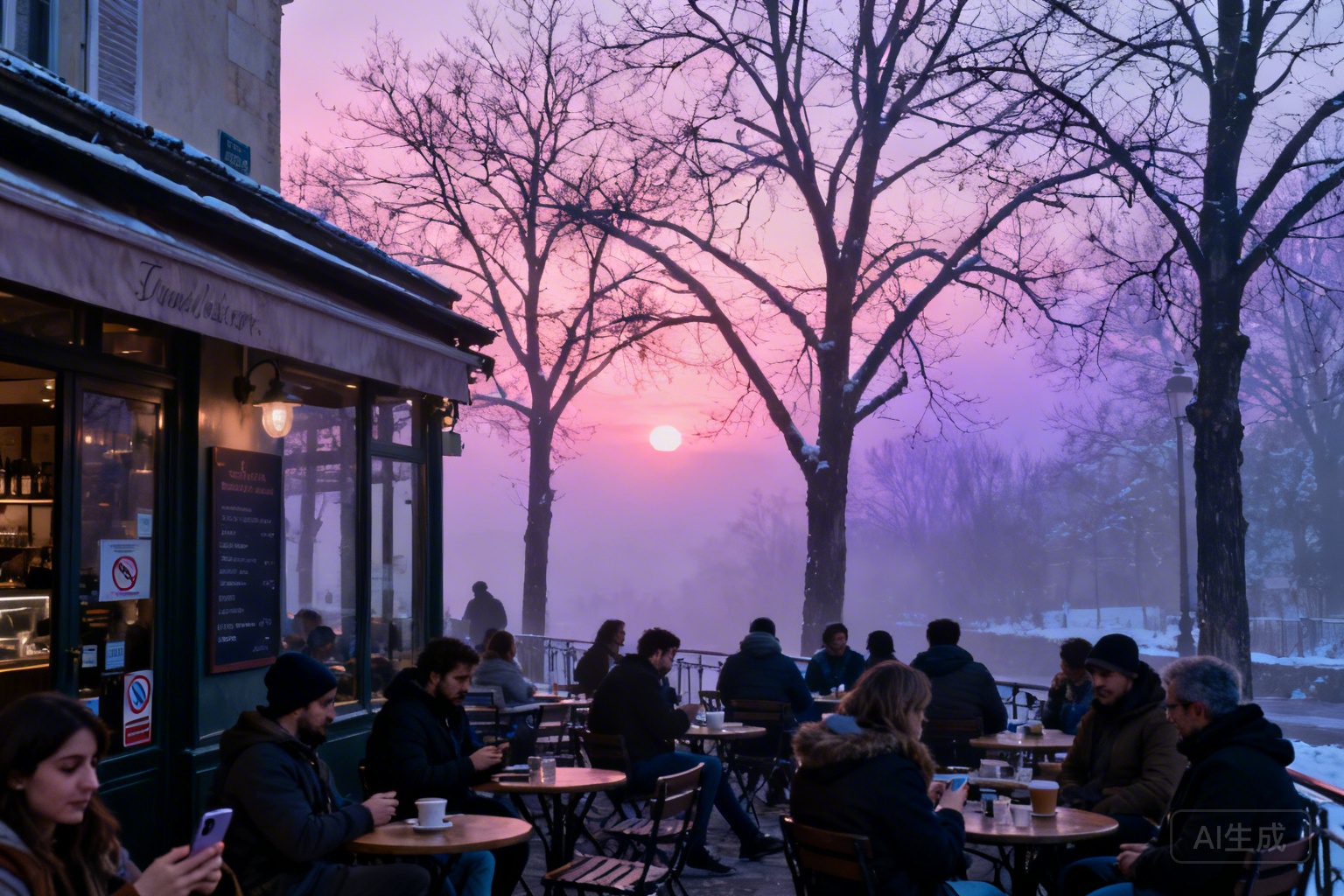
I’ve been sitting in the same wooden chair at a tea house in Çengelköy for three hours. The old man next to me hasn’t said a word, but he’s refilled my tulip-shaped glass twice without asking. That’s the first thing you learn here: silence isn’t empty; it’s a form of hospitality. If you’re coming here to see the Blue Mosque and snap a selfie at the Hagia Sophia, stop reading. Go buy a guidebook. This isn’t for you. This is for the person who wants to delete their LinkedIn, pack a 40L bag, and become a shadow in the backstreets of a city that has outlived every empire that tried to claim it.
To “disappear” in Istanbul is a paradox. It’s a city of 16 million people, yet it’s composed of a thousand tiny villages. You don’t live in Istanbul; you live in a mahalle (neighborhood). If you do it right, within a week, the guy at the tekel (liquor store) will know your brand of cigarettes, and the auntie on the third floor will start monitoring when you come home. It’s invasive, it’s loud, it’s chaotic, and it’s the only place on earth where I’ve felt truly unobserved while being completely surrounded.
The Unwritten Rules of the Concrete Labyrinth
Before we get into the geography, you need to understand the mechanics of the streets. First, the tipping. Forget the 20% American standard. In a casual lokanta (cafeteria), you leave a few coins. In a nice place, 10% is plenty. But never, ever tip the taxi driver. They will already try to take the “scenic” route; don’t reward the hustle. If they give you change, take it to the last lira.
Then there’s the queueing—or lack thereof. In Istanbul, a line is merely a suggestion. It’s an organic cluster. If you stand back and wait for your turn politely, you will die of old age before you get a döner. You have to use your shoulders. Not aggressively, but with a firm, navigational intent. It’s a dance. If you’re at a busy ferry terminal, be the water, not the rock.