The 7 Must-See Wonders in Santiago You Can’t Miss!
The Granite Sieve: Awakening in the Mapocho Basin
Santiago does not wake up; it exhales. The first breath of the city is a cold, metallic draft that rolls off the Andes, smelling of crushed basalt and frozen altitude. It is 6:15 AM on the corner of Calle Dieciocho, and the light is the color of a bruised plum. Here, the century-old doors are not merely wood; they are topographical maps of neglect, their skins of dark mahogany flaking away in dry, brittle curls to reveal the pale, porous timber beneath. I run a thumb over a rusted iron knocker shaped like a lion’s paw. It is cold enough to stick to the skin.
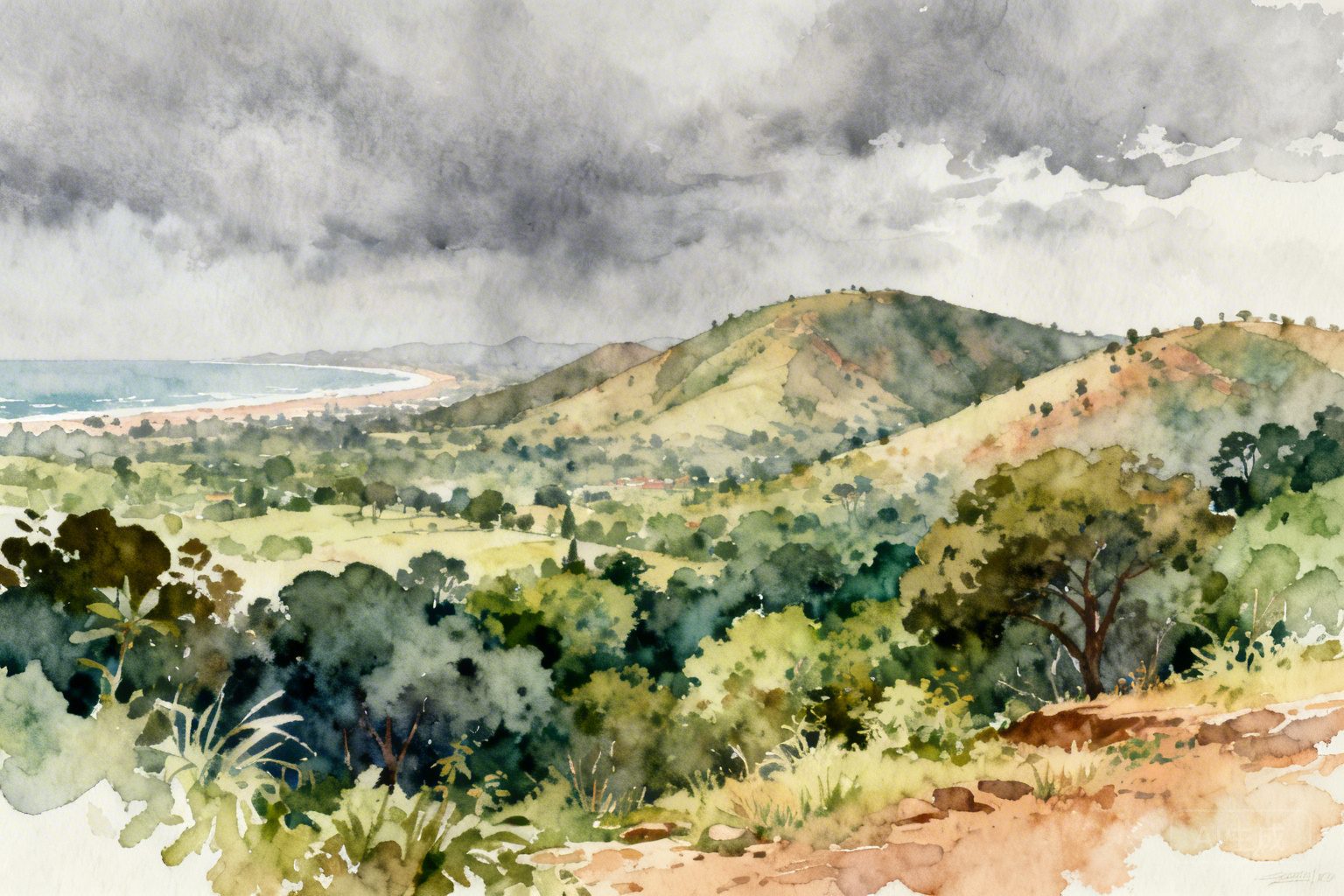
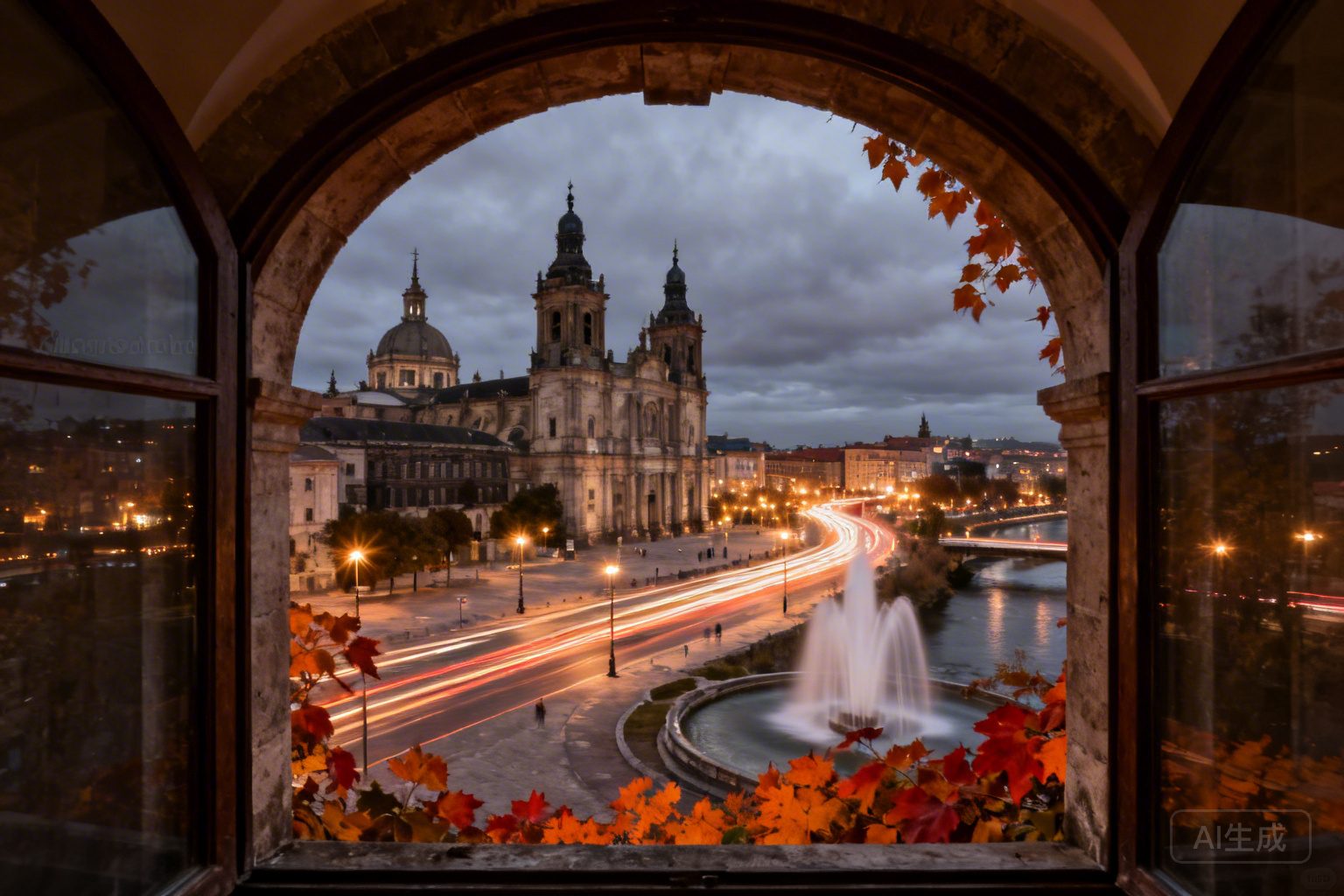
The city sits in a tectonic bowl, a granite sieve through which the history of the Southern Cone has been poured and strained. To understand Santiago, one must accept that it is a city of layers—the colonial stone buried under the neoclassical facade, the bullet holes of 1973 plastered over with the neon glass of the “Sanhattan” miracle, and the restless ghosts of the Mapuche people who whispered to the rivers long before Pedro de Valdivia ever drew a sword. This is not a tropical fever dream. This is a mountain fortress of the mind.
A street sweeper passes, his broom of stiff plastic bristles making a rhythmic scritch-scratch against the pavement, a sound like a giant insect grooming itself. He wears a neon orange vest that looks fluorescent against the grey morning mist. He does not look up. He is the first character in today’s play—the Silent Sentinel of the Gutter. We are heading toward the center, where the heart of the city beats with a frantic, caffeinated pulse.
1. The Plaza de Armas: A Theater of the Dispossessed
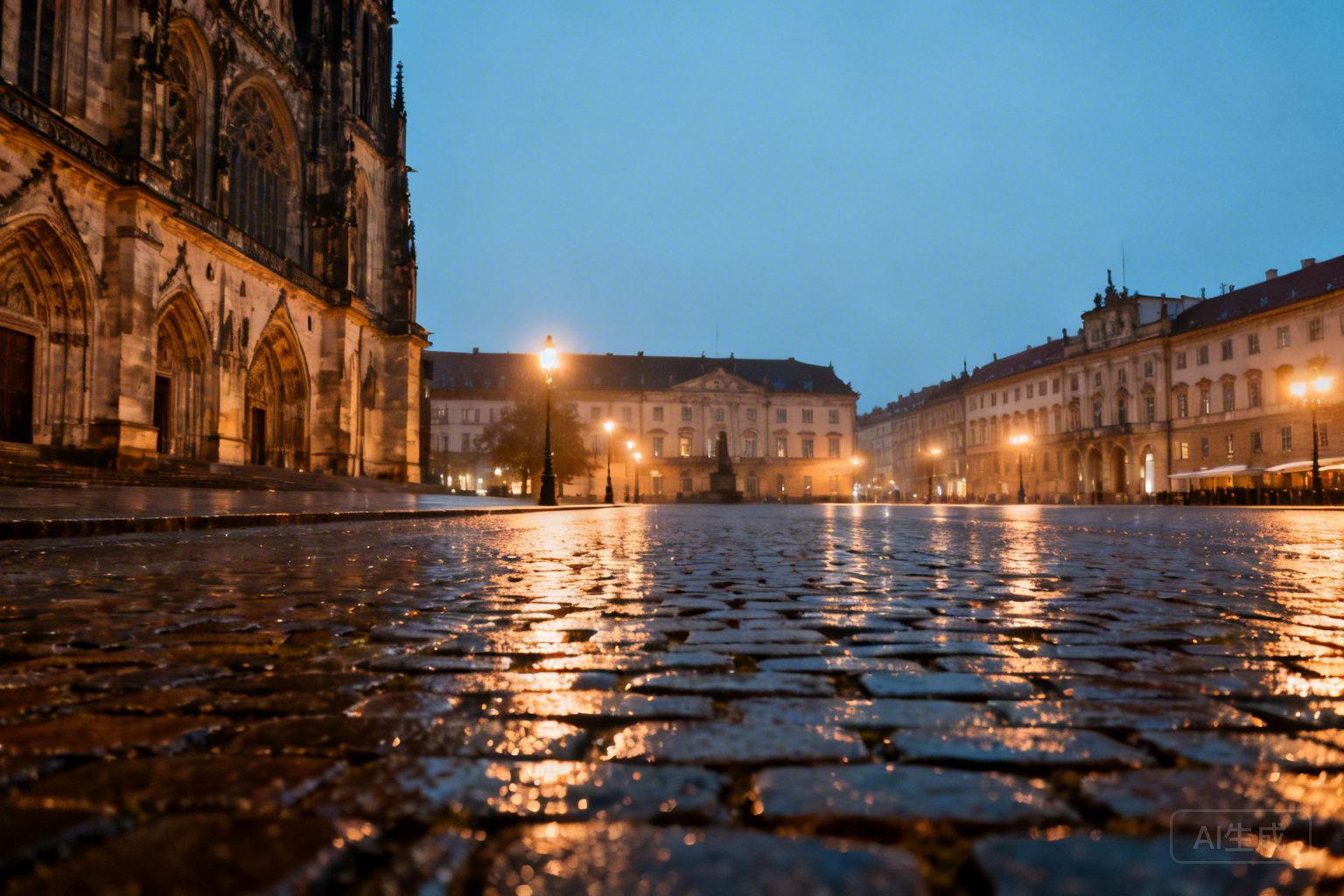
By 10:00 AM, the Plaza de Armas is a humid ecosystem of human ambition. The air here is thick—a soup of fried dough, diesel exhaust, and the sharp, acidic tang of pigeon droppings baking on hot stone. To the west, the Metropolitan Cathedral stands like a petrified forest of marble and gold. Inside, the silence is so heavy it feels physical, a pressurized weight that pops the ears. I watch a silent monk gliding across the nave; his robes are a coarse, chocolate-colored wool that seems to absorb the candlelight rather than reflect it. He moves without a sound, his eyes fixed on a point three inches above the floor, a man living in a different century than the one roaring outside the heavy oak doors.