The 7 Must-See Wonders in Seattle You Can’t Miss!
The Emerald Labyrinth: A Seven-Fold Vigil in the City of Gray and Glass
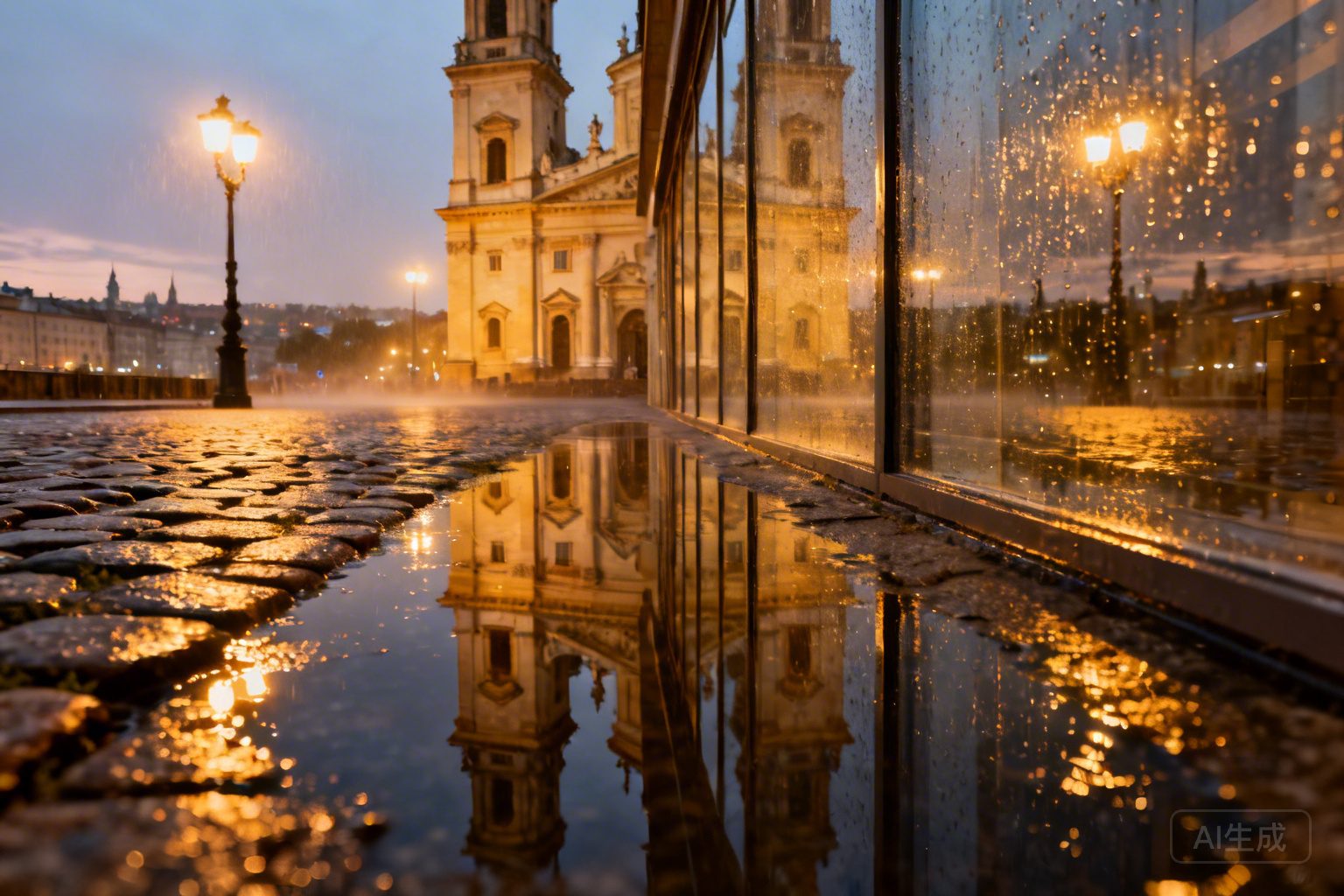
Seattle does not reveal itself to the casual observer; it is a city of layers, a palimpsest written in salt spray, cedar resin, and the relentless, rhythmic percussion of raindrops on Gore-Tex. To arrive here is to enter a theater of the damp, where the light is rarely direct but filtered through a sky the color of a bruised oyster shell. The air doesn’t just sit against your skin; it carries the weight of the Pacific, a cold, mineral breath that tastes of kelp forests and jet fuel. It is a place caught in a permanent state of becoming, anchored by old timber money and propelled by the frantic, invisible currents of the digital age.
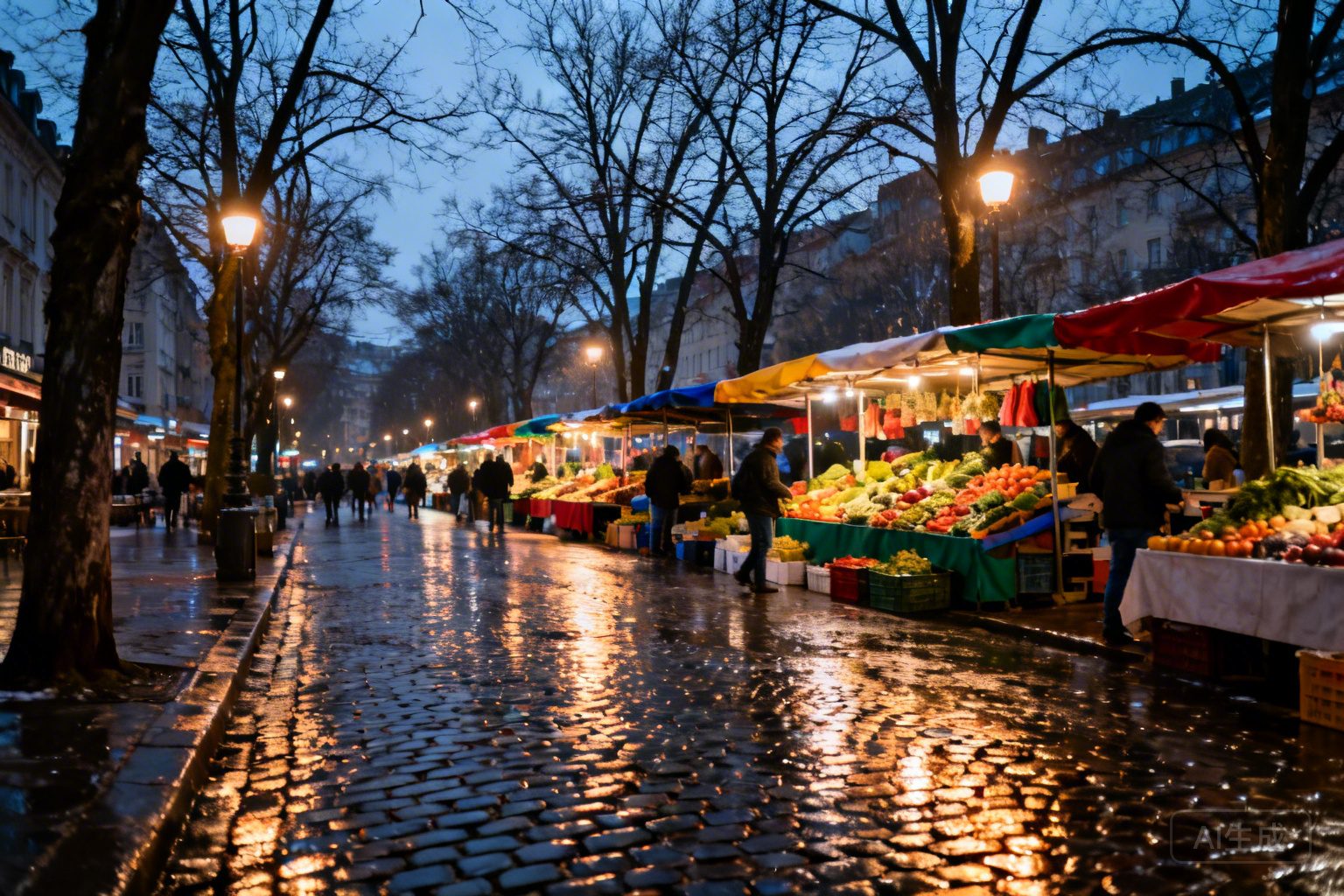
I found myself standing at the corner of Fourth and Pike, where the wind whistles through the concrete canyons with a specific, mournful pitch—a low D-flat that vibrates in your molars. A frantic office worker, clutching a compostable coffee cup like a holy relic, darted past me, her eyes fixed on a point three blocks ahead, her heels clicking a desperate staccato against the wet slate. She was the embodiment of the “New Seattle,” a creature of efficiency and silicon dreams. But just behind her, leaning against a rusted lamp pole, stood a man whose face was a roadmap of the “Old Seattle”—skin cured by decades of salt air, wearing a flannel shirt so worn the pattern had faded into a ghostly suggestion of plaid. He didn’t look at his watch. He watched the gulls.
1. The Subterranean Ghost: The Underground Tour and the Hollow Sidewalks
To understand the heights of this city, you must first descend into its belly. In Pioneer Square, the cobblestones are slick with a mossy patina that feels like walking on velvet-covered ice. Here, the buildings are clad in Romanesque revival stone, heavy and somber, their foundations resting on the ghosts of a city that literally rose above its own filth. In the late 19th century, the tides would back up the sewers, a catastrophic plumbing failure that forced the city to build a second story on top of the first.
I followed a guide whose voice was a gravelly baritone, reminiscent of a jazz singer who had retired to a life of historical grievances. We descended a wooden staircase, the air cooling instantly, turning stagnant and smelling of damp earth and rot-resistant cedar. The paint on the 100-year-old doors below the sidewalk wasn’t just peeling; it was curling into brittle, gray ribbons that looked like dried mushrooms. Our flashlights illuminated purple glass skylights embedded in the pavement above—once clear, now solarized by a century of meager sunlight.