The Addis Ababa Travel Guide: A Complete Checklist for Your First Visit!
The High Altitude Fever Dream: Waking Up in Addis Ababa
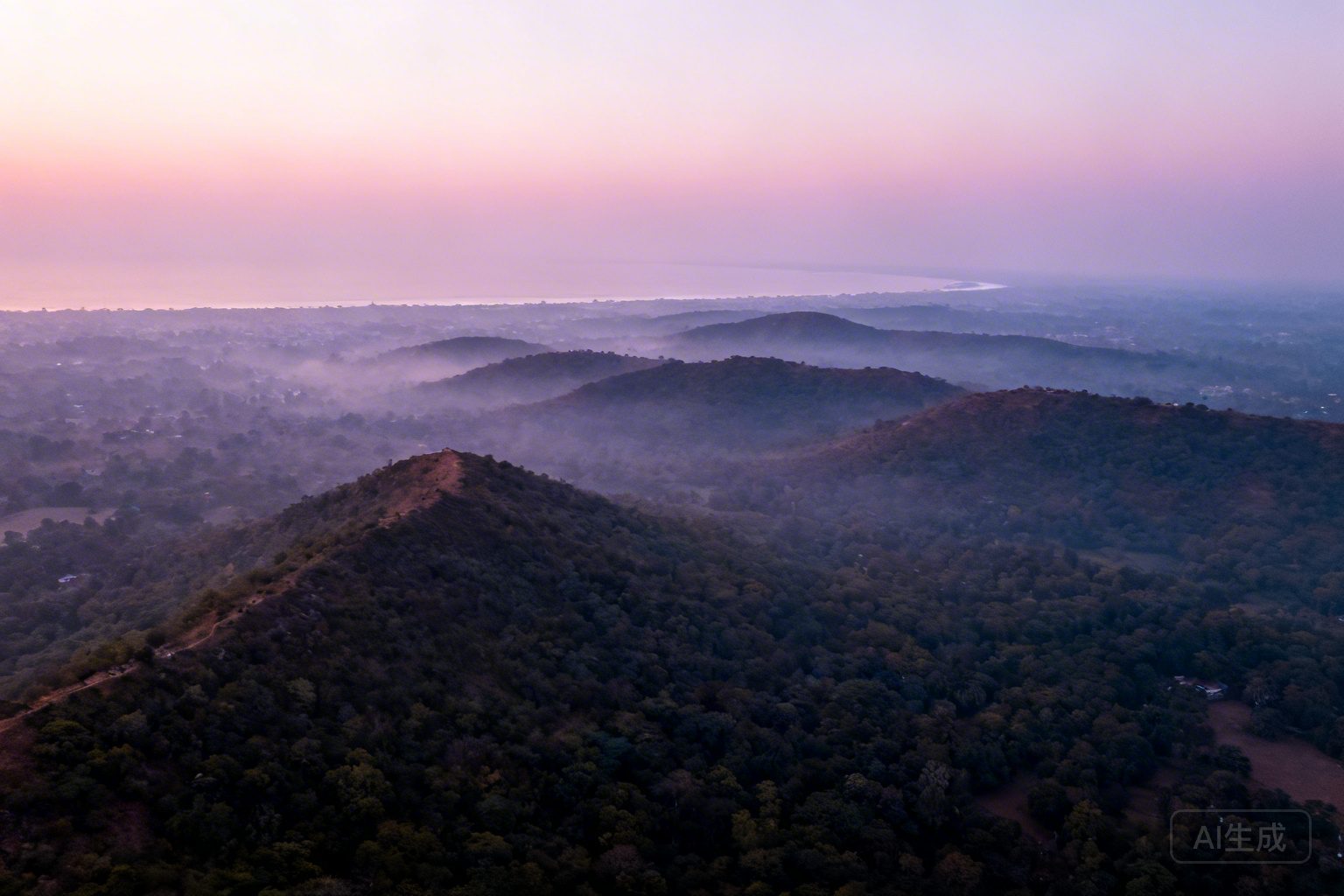
The first thing that hits you isn’t the smog, or the scent of roasting beans, or the discordant symphony of blue-and-white minibus taxis honking in a rhythmic, desperate code. It is the air itself. At 7,700 feet above sea level, the atmosphere in Addis Ababa is thin, brittle, and possessed of a peculiar crystalline clarity that makes the eucalyptus trees on the Entoto Hills look like they’ve been rendered in high-definition ink. Your lungs, accustomed to the thick, lazy oxygen of the lowlands, perform a frantic little dance. It is a lightheadedness that borders on euphoria. This is the “New Flower,” a city that doesn’t just sit on the earth; it clings to the side of a mountain, breathless and vibrating with the energy of five million souls in constant motion.
To arrive here is to step into a chronological paradox. Ethiopia follows its own calendar—twelve months of thirty days and a thirteenth month of five or six—and its own clock, where the day begins at dawn rather than midnight. You are not just in a different time zone; you are in a different era, one where the year lags seven years behind the Gregorian counting of the West. The jet lag is compounded by this temporal shift. You step off the plane at Bole International and realize you have effectively traveled back to a future that hasn’t happened yet.
The Morning Ritual: Senses and Steam
Morning in the Piazza district is a sensory assault of the highest order. The architecture here is a crumbling testament to the brief, bitter Italian occupation—Art Deco curves now draped in a patina of diesel soot and blooming bougainvillea. I watch a waiter at Tomoca Coffee, a man named Gebre with a mustache so sharp it looks like it could slice a lemon. He moves with the bored grace of a matinee idol, operating a massive, chrome Gaggia machine that looks like it belongs in a 1950s sci-fi film. The hiss of the steam is a sharp, metallic puncture in the morning air.
The coffee—*buna*—is not merely a beverage; it is the blood supply of the city. It is thick, dark as obsidian, and served in tiny ceramic cups with a sprig of rue. The bitterness is precise, a necessary jolt to the system. Outside the window, a frantic office worker in a sharp charcoal suit dodges a donkey laden with construction rebar. The worker’s leather shoes click-clack against the uneven basalt paving stones, a frantic percussion against the slow, rhythmic clip-clop of the beast. The contrast is Addis in a nutshell: the 21st century trying to sprint past the 14th, and neither side winning.