The Artistic Soul of Seville: 10 Museums That Will Blow Your Mind!
The Saffron Hour: A Prelude in Dust and Citrus
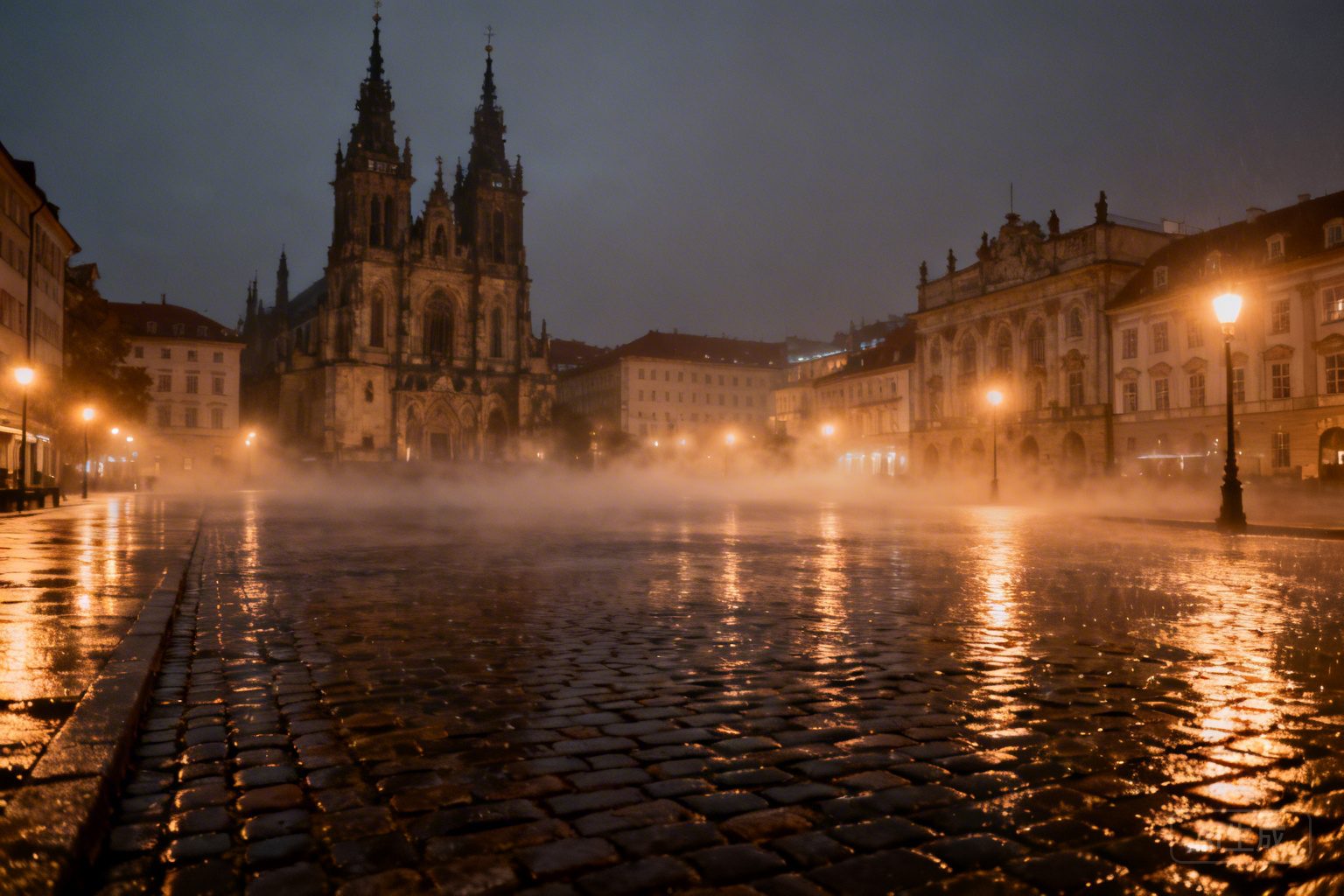
Seville does not wake; it exhales. At 7:30 AM, the air in the Santa Cruz quarter carries the scent of damp limestone and the ghost of yesterday’s fried fish, a saline weight that clings to the back of your throat. I am standing at the corner of Calle Mateos Gago, where the wind catches the slipstream of the Giralda tower, cooling as it funnels through the narrow Moorish veins of the city. The cobblestones here are polished to a treacherous, opalescent sheen by centuries of leather soles and the occasional frantic hooves of a carriage horse. A man in a grease-stained apron, his face a roadmap of late nights and cheap tobacco, slams a corrugated metal shutter upward with a rhythmic clack-clack-clack that echoes like gunfire against the whitewashed walls. He doesn’t look at me. He is the guardian of the morning’s first espresso, a brusque priest of the caffeine altar.
This city is a palimpsest. Every era has tried to overwrite the last, yet the ink of the previous centuries keeps bleeding through. To understand the artistic soul of Seville, one must accept that the city itself is the primary museum—a sprawling, living gallery where the exhibits breathe, swear, and dance. But to find the concentrated heart of this madness, one must step behind the heavy oak doors, past the peeling paint that curls like dried skin on 100-year-old portals, and into the hushed sanctuaries of its ten greatest repositories. This is not a checklist. This is a haunting.
1. Museo de Bellas Artes: The Convent of Light
We begin at the Museo de Bellas Artes, housed in the former Convent of the Merced Calzada. The building is a masterpiece of Mannerist restraint, its courtyards filled with the low hum of honeybees circling orange trees heavy with fruit too bitter to eat. Inside, the light is different. It is thick, particulate, filtering through high windows to illuminate the canvases of Murillo and Zurbarán.
I find myself standing before Zurbarán’s The Miracle of St. Hugo in the Refectory. The whites are what get you—the specific, chalky texture of the monks’ habits, a white so pure it feels cold to the touch. In the corner of the gallery, a silent monk—perhaps a visitor from a neighboring order—stands perfectly still before the painting. His own robes are a slightly yellower shade of ivory than those in the oil, a living shadow of the 17th century. He doesn’t blink. The silence in this room is not empty; it is a pressurized vessel of devotion.