The Berlin Travel Guide: A Complete Checklist for Your First Visit!
The Palimpsest of the Spree: A First Descent into the Berlin Fog
To arrive in Berlin is to be confronted by the weight of concrete and the lightness of ghost stories. The air at Brandenburg Airport—a vast, clinical expanse of glass that sat dormant for a decade like a sleeping giant—carries a specific, metallic chill. It is the scent of progress delayed. You step onto the S-Bahn, the yellow-painted train slicing through the grey peripheral scrubland, and the first thing you notice is the sound. It is not a roar, but a rhythmic, industrial clatter, a mechanical heartbeat that seems to syncopate with the flicker of graffiti-strewn walls rushing past the window. Tags upon tags, layers of spray paint so thick they have become a structural element of the city’s architecture. This is your first lesson: Berlin is a city that refuses to be finished. It is a work in progress, a palimpsest where every era has tried to erase the last, only to leave a frantic, jagged smudge.
The train pulls into Alexanderplatz, and the scale of the DDR’s ambition hits you like a physical blow. The Fernsehturm, that great concrete needle with its disco-ball orb, pierces the low-hanging clouds. The wind here, at the base of the tower, doesn’t just blow; it whips around the stark corners of Socialist Modernist blocks, carrying the scent of roasted nuts from a nearby stand and the faint, bitter tang of diesel. A frantic office worker, clad in a charcoal coat that seems two sizes too large, surges past, clutching a leather briefcase with white-knuckled intensity. He doesn’t look up at the monument. To him, this is not a marvel; it is a hurdle. He represents the new Berlin—the “Silicon Allee” rush—yet he is surrounded by the monumental silence of a regime that vanished thirty years ago.
The Ritual of the Morning: Mitte and the Ghosts of Grandeur
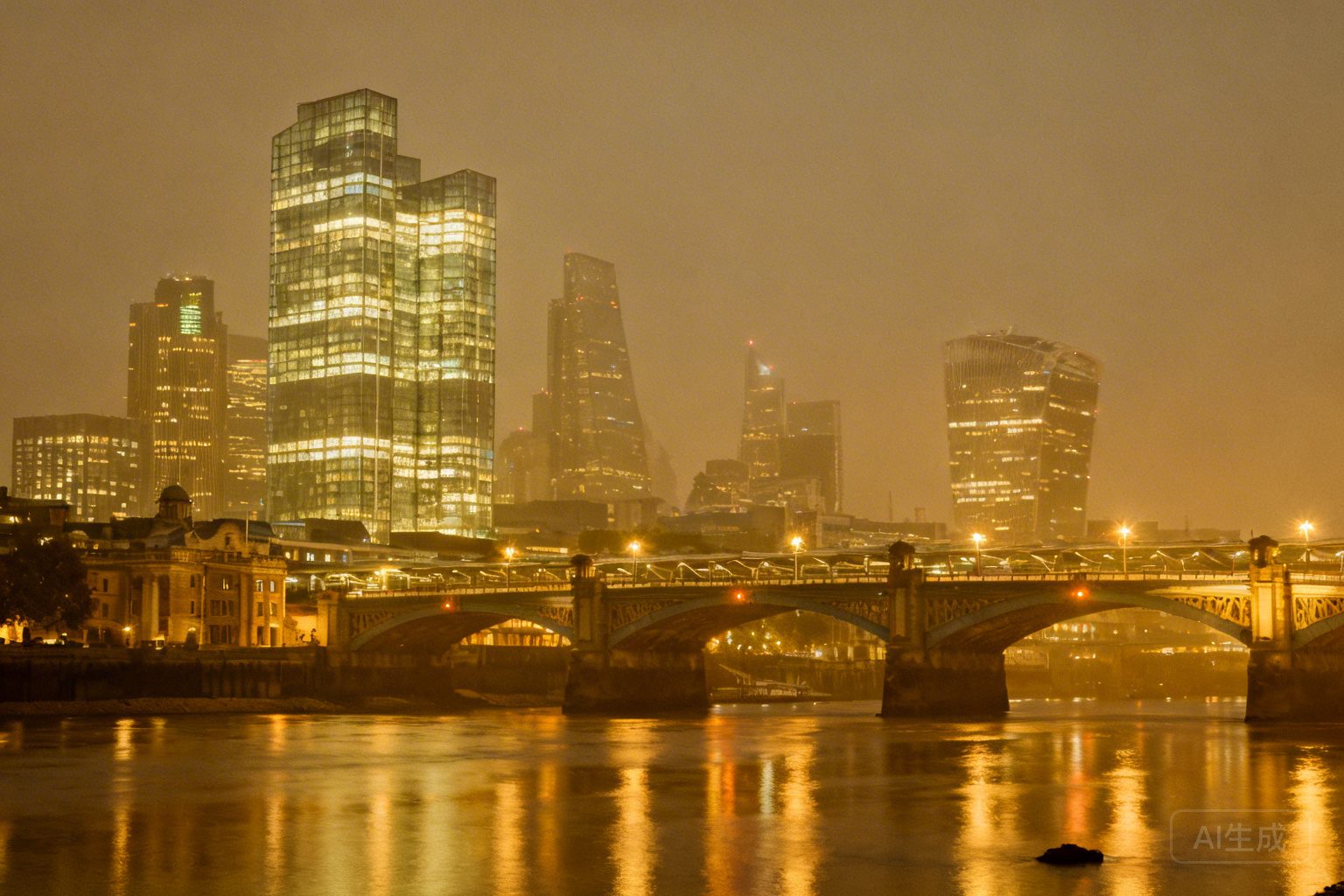
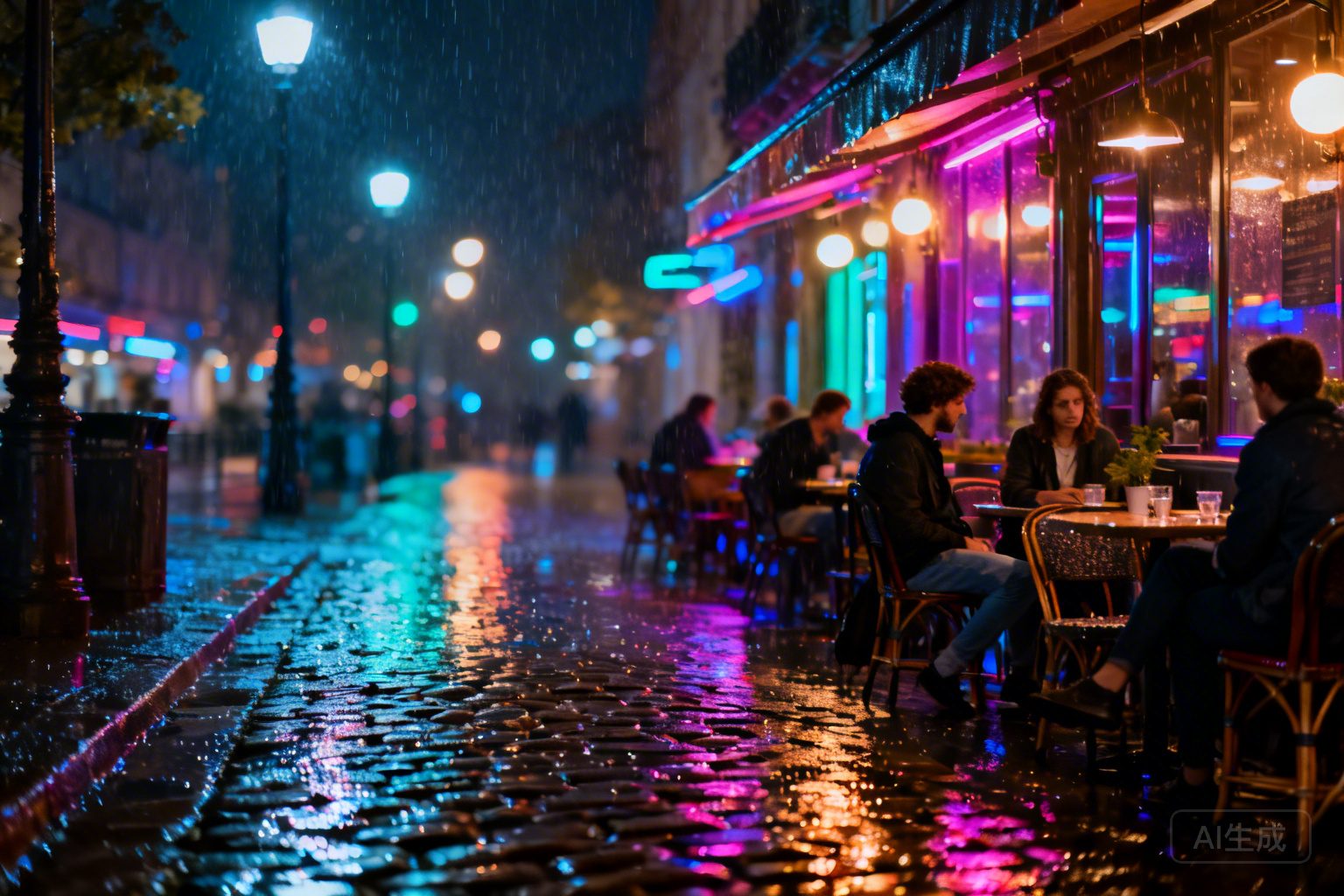
Your checklist begins in Mitte, but not with a monument. It begins with the texture of the cobblestones. They are uneven, slick with a fine mist that characterizes the Berlin autumn, each stone a rounded thumbprint of history. You walk toward Museum Island, where the Spree River flows with the color of cold tea. The water laps against the blackened sandstone of the Berliner Dom, the cathedral’s green copper domes oxidized into a shade that matches the moss in the cracks of the sidewalk.
Inside a small bakery tucked away in a side street near the Hackescher Markt, the air is thick with the smell of rye and yeast. The waiter here—a man named Klaus, or perhaps he just looks like a Klaus—is the archetype of Berlin service. He wears a stained apron and possesses a face that looks like it was carved from a particularly stubborn piece of oak. He does not greet you. He waits. When you order, his nod is so slight it might be a twitch.
“Kaffee?” he asks, the word dropping like a stone into a well.
He brings a cup of filter coffee that is hot enough to blister skin and a Schnecke—a cinnamon swirl—that is dense, buttery, and unapologetically heavy. He is the guardian of the old West, or perhaps the disillusioned East; in Berlin, the distinction is often found in the set of a jaw.