The Best Places to Visit in Antalya for an Unforgettable Trip!
The Amber Hour in the Turquoise City
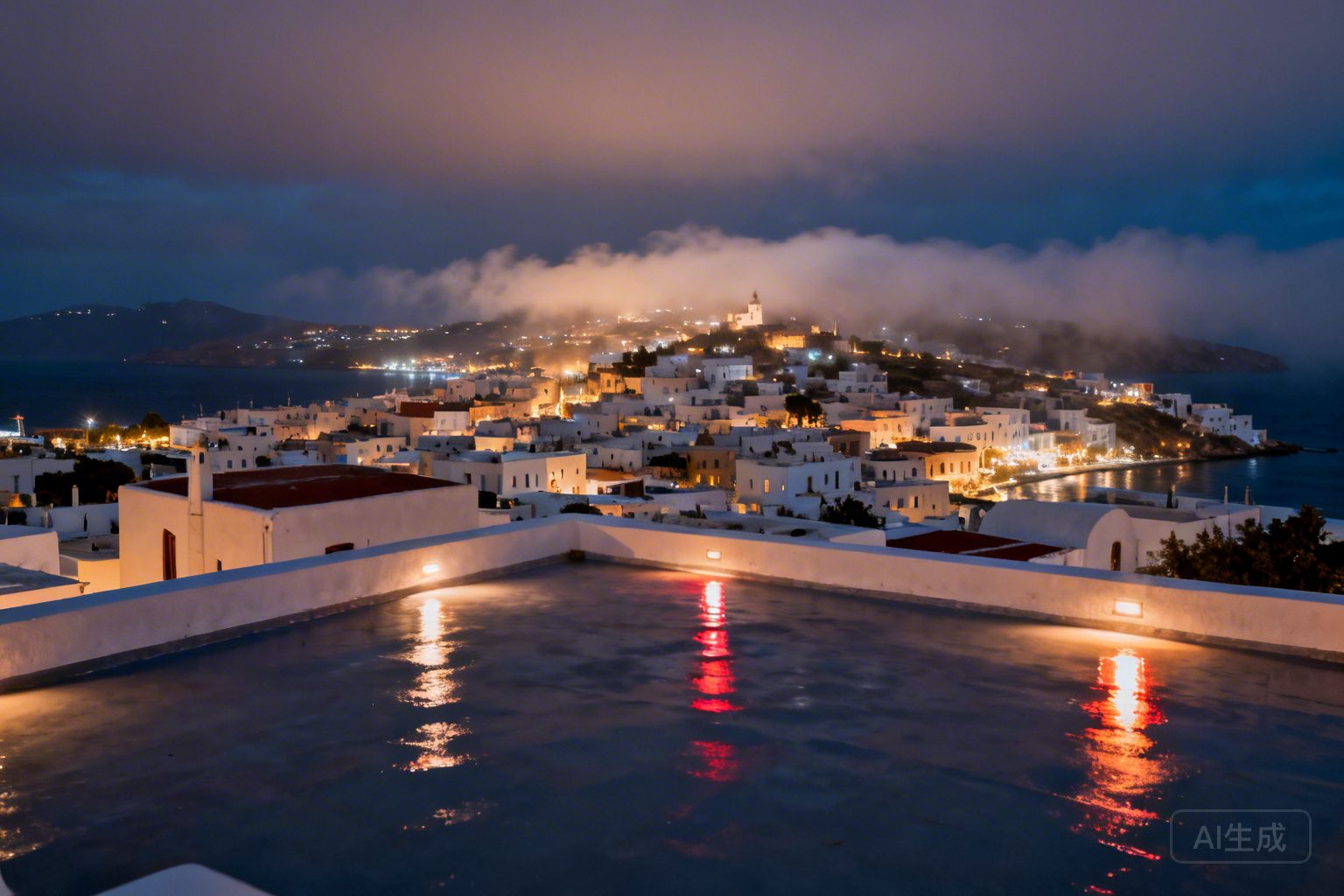
The light in Antalya does not merely illuminate; it saturates. By four in the afternoon, the sun ceases to be a celestial body and becomes a physical weight, a gilding press that turns the Mediterranean into a sheet of hammered foil. I am sitting at a table that teeters on the edge of a limestone cliff, the wood of the chair grain-rough against my back, watching the Gulf of Antalya swallow the sky. To my left, the Taurus Mountains rise like the jagged teeth of a sleeping titan, their peaks still dusted with a ghost-white layer of late-spring snow, providing a frigid contrast to the humid, salt-slick air of the coast.
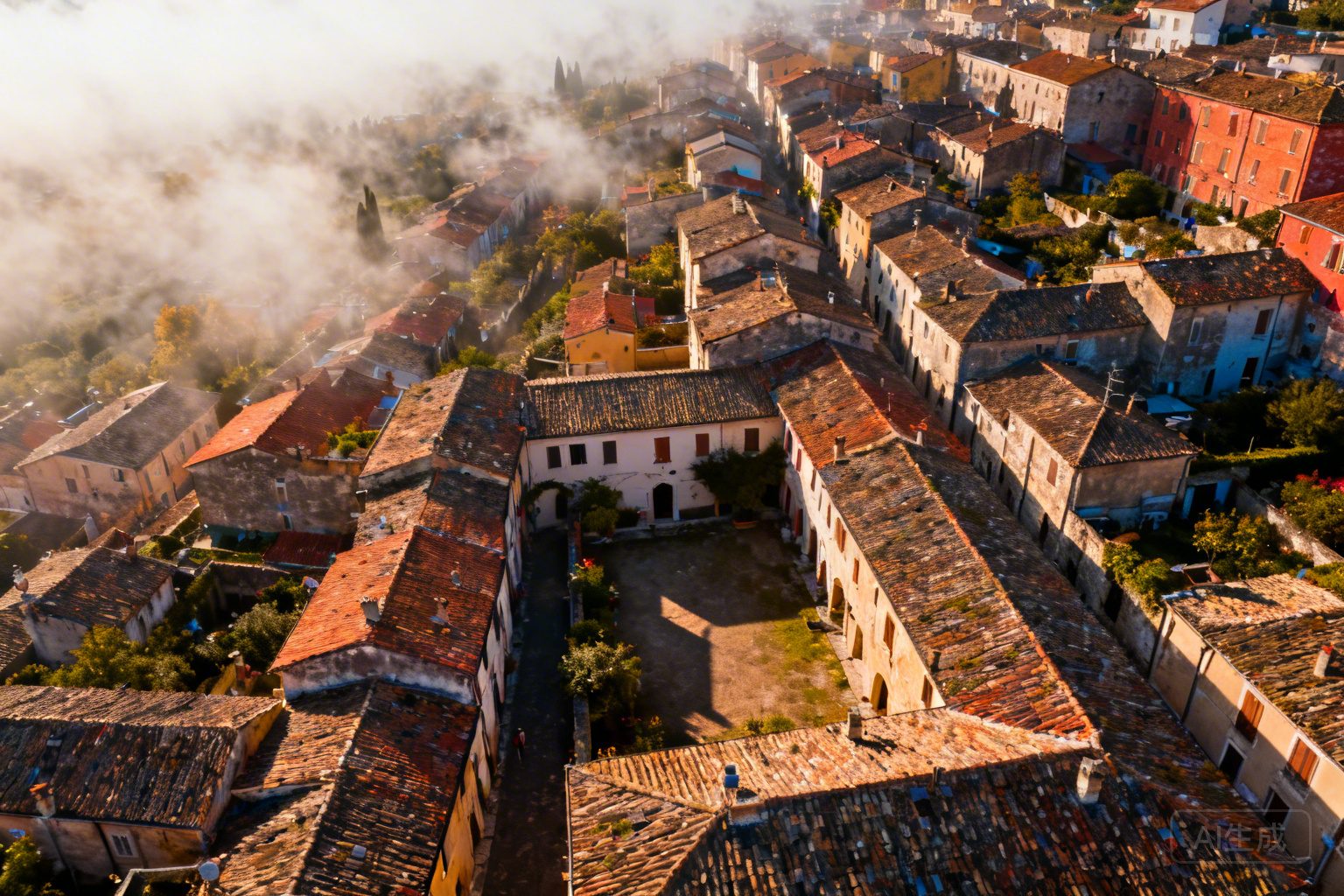
Antalya is a city of layers, a palimpsest where the ink of the Roman Empire has bled into the parchment of the Seljuks, only to be scribbled over by the neon markers of modern tourism. It is not a place you visit; it is a place you succumb to. The wind at this specific corner of the Karaalioğlu Park carries the scent of overripe oranges and the metallic tang of the sea, a breeze that feels like a damp silk scarf being dragged across your cheek.
I watch a waiter—let’s call him Selim—navigate the terrace with the practiced apathy of a man who has seen a thousand sunsets and found them all wanting. He is brusque, his movements a series of sharp angles, snapping a white linen cloth over a crumb-strewn table with the violence of a whip-crack. He doesn’t look at the horizon. He looks at the checks. In his pocket, a bundle of crumpled liras smells of tobacco and mint. He represents the undercurrent of this city: a tireless, weary machine that powers the dream of the “unforgettable” for everyone else.
Kaleiçi: The Labyrinth of the Ancestors
To enter Kaleiçi, the old walled city, is to step into a centrifugal force of history. You pass through Hadrian’s Gate, three marble arches that have stood since 130 AD, where the stone floor is worn into deep, smooth grooves by the wheels of chariots and the rubber of Nikes. The texture of the marble is surprisingly soft, polished by two millennia of human contact until it feels almost like soapstone under the palm.