The Best Places to Visit in George Town for an Unforgettable Trip!
The Humidity of History: A Morning in the Heritage Core
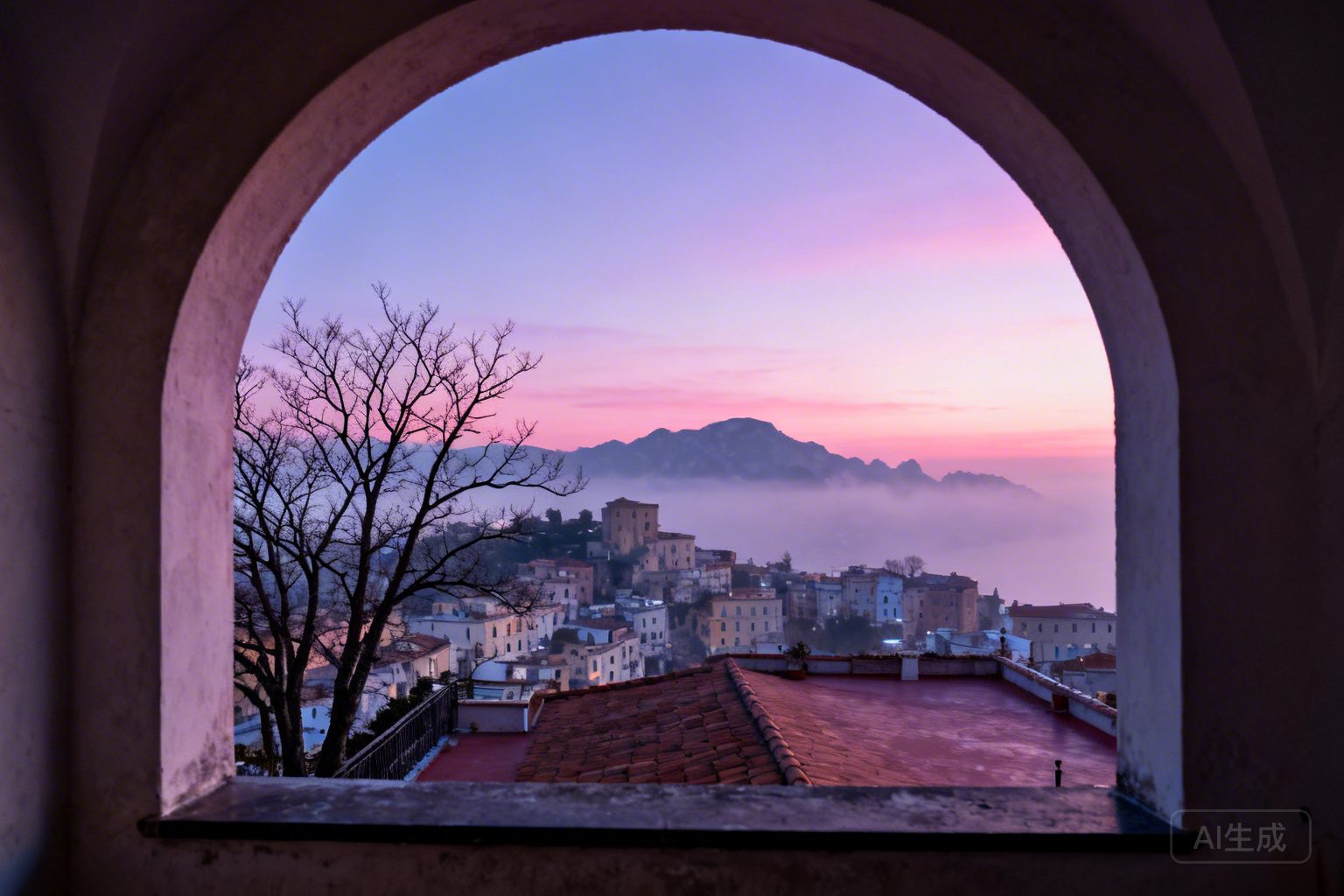
The air in George Town does not merely surround you; it holds you in a damp, claustrophobic embrace, smelling of roasted coffee beans, diesel exhaust, and the salt-crusted decay of the Andaman Sea. At six in the morning, the light is a bruised purple, filtering through the jagged silhouettes of the shophouses on Lebuh Pantai. This is the hour when the city is a charcoal sketch, before the tropical sun bleaches the character out of the lime-wash walls. I find myself standing before a door on Lebuh Armenian—a heavy, timber beast of a thing, its emerald paint peeling in thick, sun-scorched flakes that look like the scales of a dying dragon. Underneath the green is a layer of cerulean, and beneath that, the raw, grey teak of a century ago. To touch it is to feel the grit of a thousand dust storms and the residue of a million monsoon rains.
The street is silent, save for the rhythmic thwack-thwack of a butcher’s cleaver half a block away. This is the “Blue Hour” of the UNESCO World Heritage site, a fleeting window where the ghosts of the East India Company seem more real than the digital nomads who will soon occupy the air-conditioned cafes. A man pedals past on a rusted trishaw, the metal chain groaning in a high-pitched, metallic whine that cuts through the humidity like a dull saw. He is skeletal, his skin the color of well-oiled mahogany, wearing a ribbed undershirt that has seen better decades. He doesn’t look at me; his eyes are fixed on a point three meters ahead, navigating the treacherous potholes with a muscle memory born of forty years of labor. He is the guardian of the transition, the bridge between the nocturnal city and the waking one.
I turn the corner toward the Clan Jetties, where the scent shifts violently from damp stone to the pungent, fermented funk of shrimp paste and stagnant seawater. The wooden planks of Chew Jetty creak underfoot, a hollow, rhythmic sound that echoes against the stilt-houses perched precariously over the mudflats. Here, the residents live in a state of suspended animation, their homes tethered to the shore by little more than tradition and stubbornness. A woman in a floral sarong stands on her porch, tossing a basin of grey soapy water into the tide below. The splash is muffled by the thick silt. She watches me with a gaze that is neither welcoming nor hostile; it is simply tired. In George Town, you are always an intruder in someone’s living room, a temporary ghost drifting through a permanent museum of survival.
The Cries of the Spice Merchant
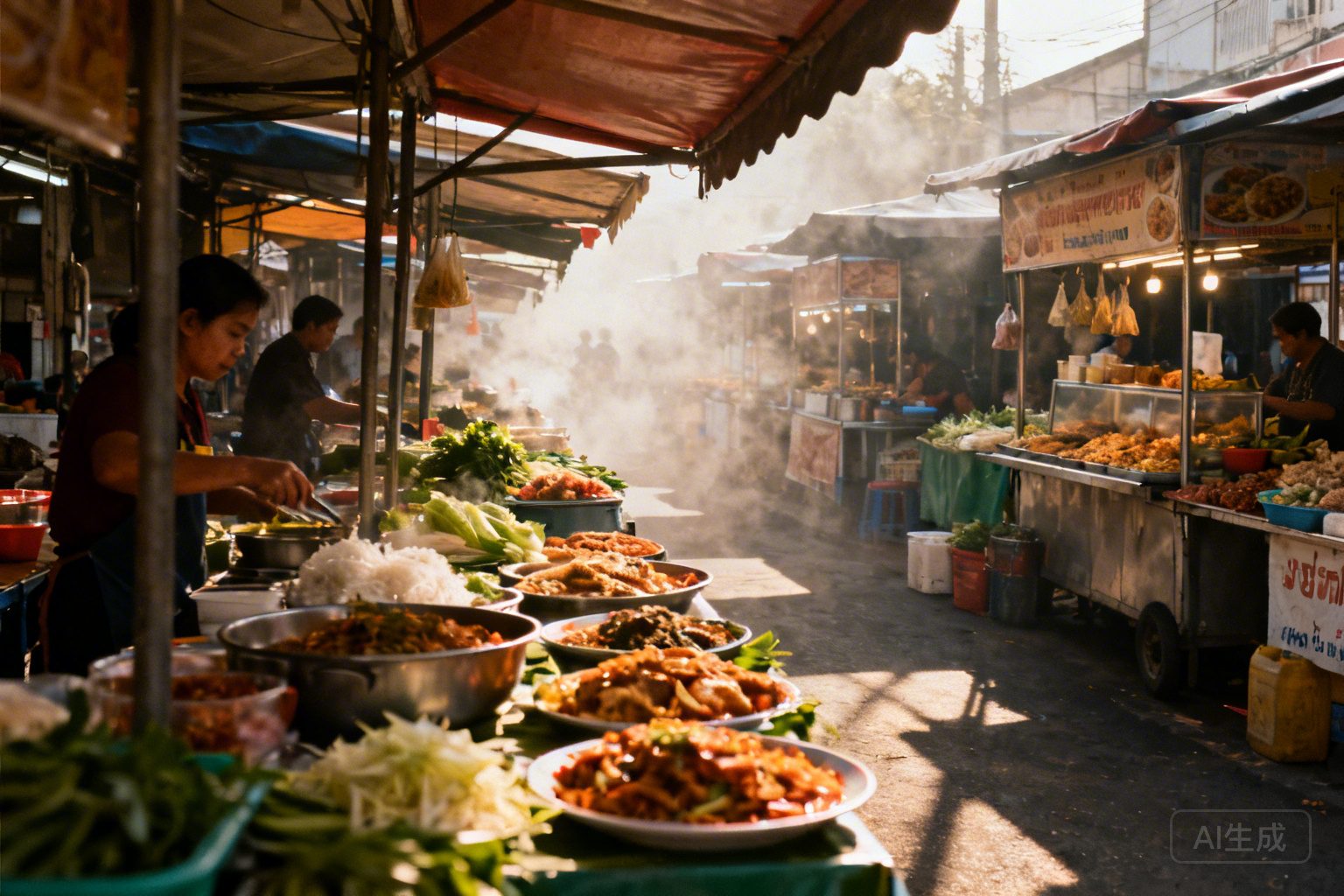
By mid-morning, the city has transformed into a cacophony of commerce. Little India is a sensory assault that feels like a physical blow to the solar plexus. The wind here is different—it is heavy with the heat of frying oil and the sharp, nasal sting of dried chilies. On Lebuh Pasar, the loudspeakers are already competing, blasting Kollywood soundtracks that distort into a grainy, electric static. The sunlight hits the vibrant saffron and turquoise facades of the shops, creating a glare that makes the eyes ache. I stop at a corner stall where a man is pulling teh tarik. His movements are a choreographed dance; the tea arches through the air in a steaming, amber ribbon, cooling as it falls from one tin mug to another. He performs this feat with a look of profound boredom, his mind clearly miles away from the theater of his craft.