The Best Places to Visit in Valencia for an Unforgettable Trip!
The Amber Hour at the Edge of the Turia
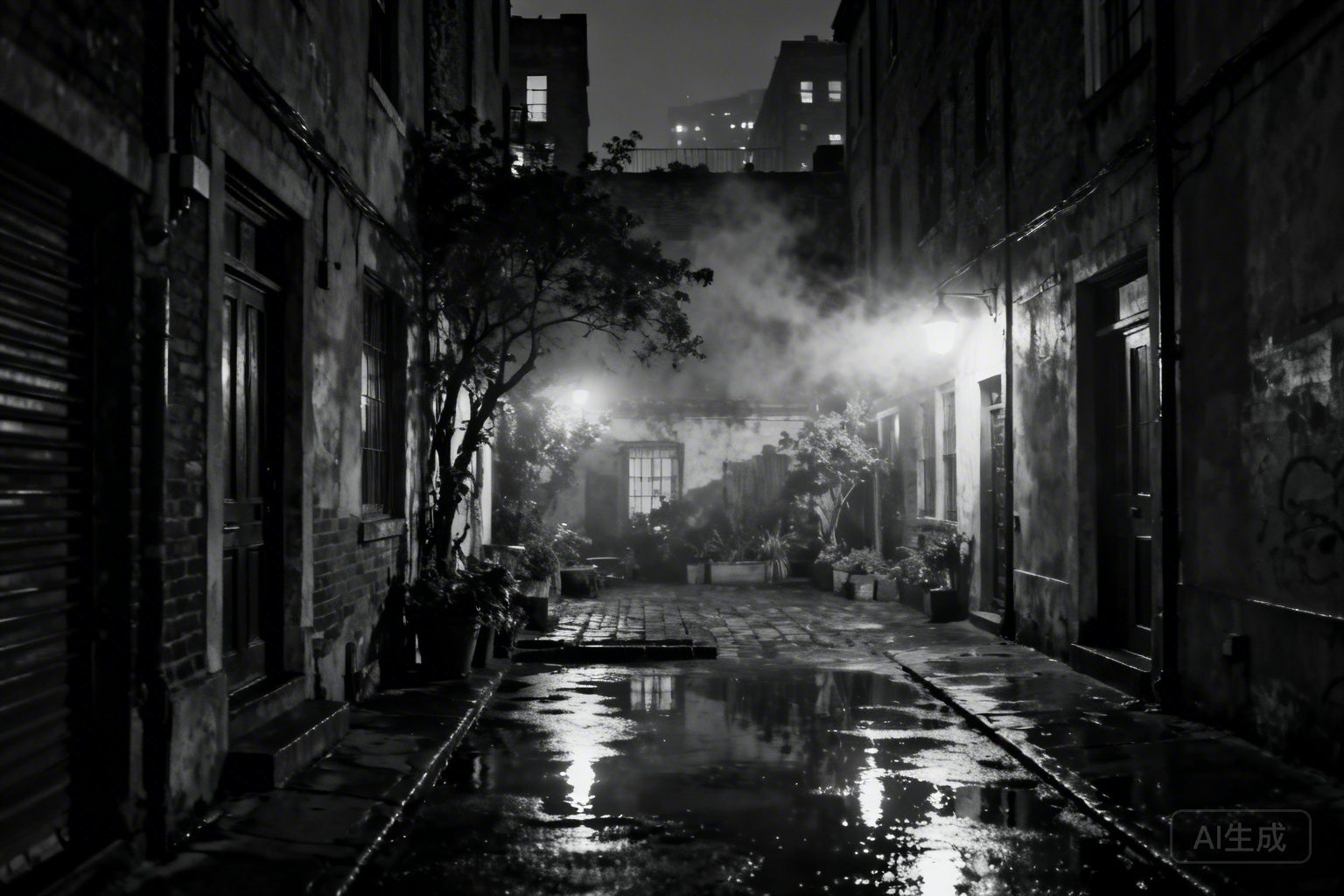
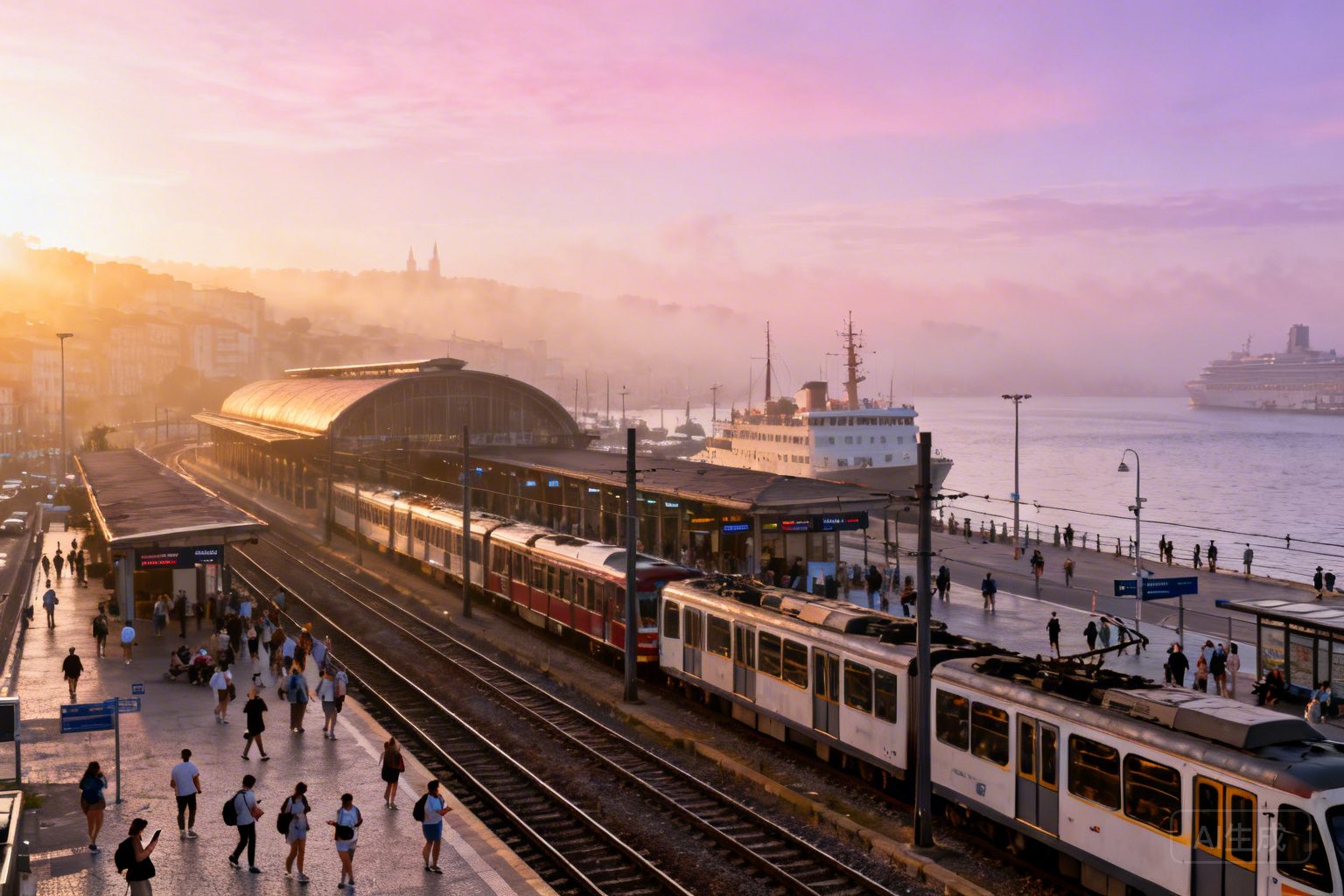
The light in Valencia does not merely illuminate; it saturates. By five in the afternoon, the Mediterranean sun begins its slow, syrupy descent, turning the limestone facades of the Ciutat Vella into the color of a scorched almond. I am standing at the intersection of Calle de la Paz, where the wind smells faintly of toasted saffron and diesel exhaust. The breeze here is a fickle thing—a cool, saline draft that snakes through the narrow Moorish alleys, chilling the sweat on your neck before evaporating into the dry heat of the plazas.
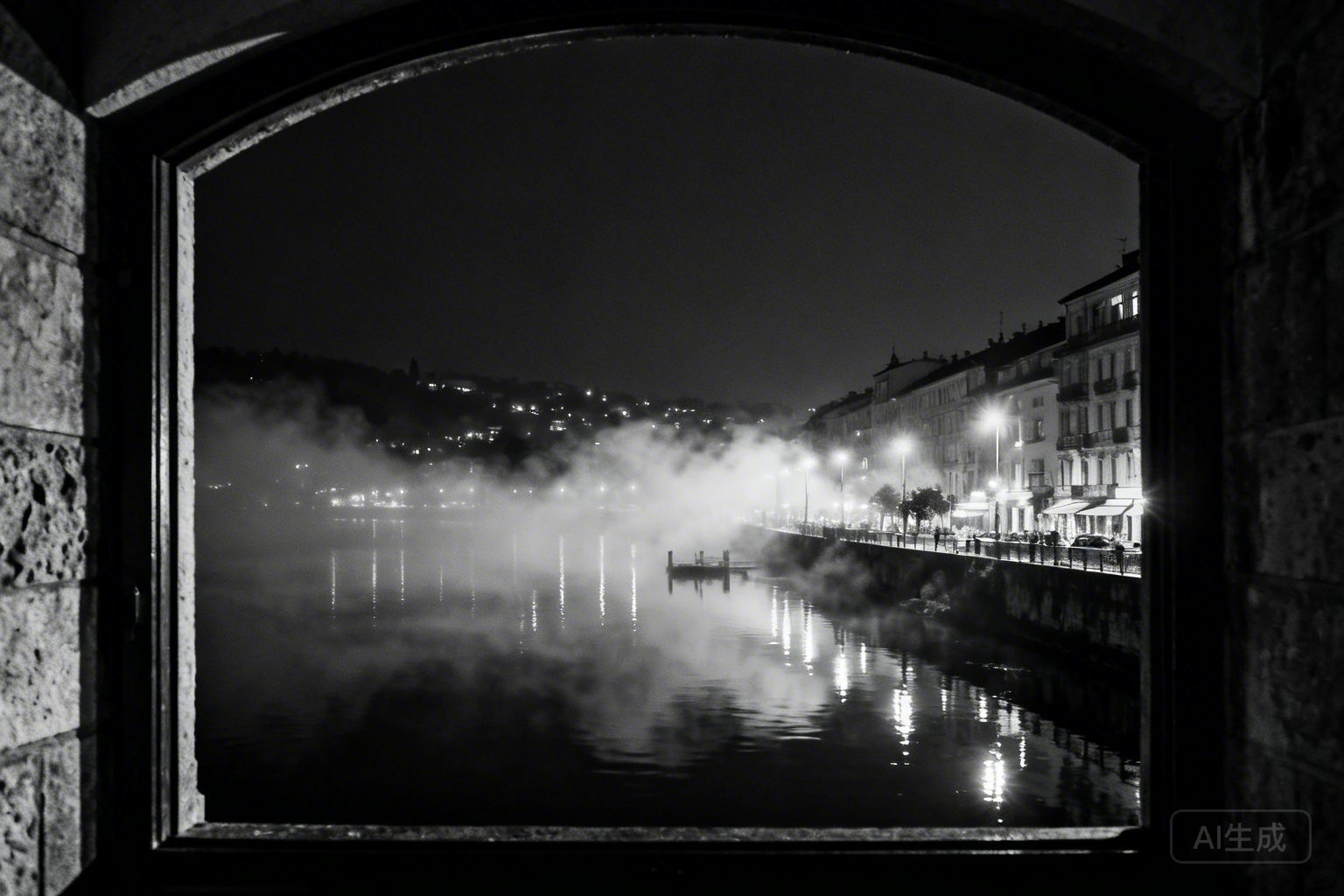
To understand Valencia, one must first understand the river that isn’t there. The Turia was once a temperamental vein of water that threatened to swallow the city whole during the Great Flood of 1957. Today, it is a nine-kilometer ribbon of emerald parkland, a sunken garden where the city breathes. I watch a frantic office worker—his tie loosened, a sweat-darkened circle blooming on his azure shirt—sprint across the Puente de las Flores, clutching a leather briefcase as if it contained the secret to eternal life. He is contrasted by the stillness of the old men on the benches below, their skin the texture of cured leather, their eyes fixed on nothing in particular, content to let the century drift past them.
The city is a palimpsest of ambition and ruin.
The Cathedral of Echoes and Holy Grails
The Plaza de la Reina is a cacophony of sensory overload. The specific pitch of the street vendors’ cries—a rhythmic, guttural barking advertising “Agua de Valencia” and handmade fans—cuts through the low hum of a thousand clicking camera shutters. I push through the heavy, iron-studded oak doors of the Valencia Cathedral, and the world suddenly turns mute. The air inside is ten degrees cooler, smelling of cold stone and the extinguished wicks of beeswax candles.
In a side chapel, encased in glass and bathed in a soft, golden spotlight, sits the Santo Cáliz. Is it the actual Holy Grail? The archaeologists argue; the pilgrims do not. I watch a silent monk, his robes a coarse, chocolate-colored wool that seems to absorb the very light, move with a ghostly fluidity across the marble floor. He doesn’t look at the chalice. He has seen it every day for forty years. To him, the miracle isn’t the cup; it’s the silence that surrounds it.