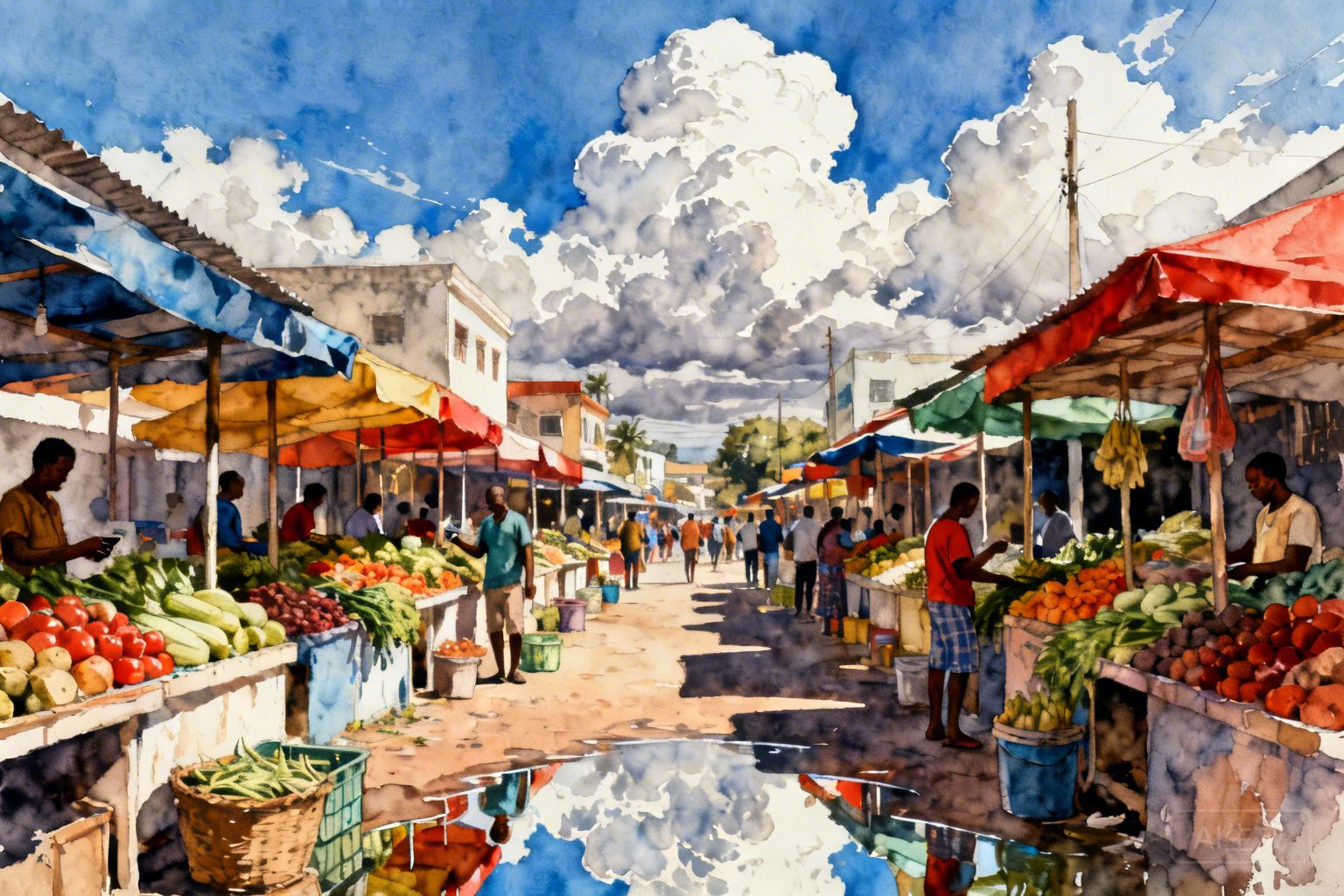
The Best Time to Visit Bangkok: A Seasonal Guide to Avoiding the Crowds!
The Humidity of Memory: A Prelude in Saffron and Diesel
Bangkok does not welcome you; it engulfs you. It is a city that breathes through a thick veil of humidity and carbon monoxide, a sprawling megalopolis that seems to have been built by a mad architect who fell asleep over a blueprint of a lotus flower and woke up in a fever dream of neon and rebar. To understand the best time to visit this city is to understand the rhythm of its sweat. It is a calculation not of temperature—for it is always hot—but of the weight of the air and the patience of the sky.
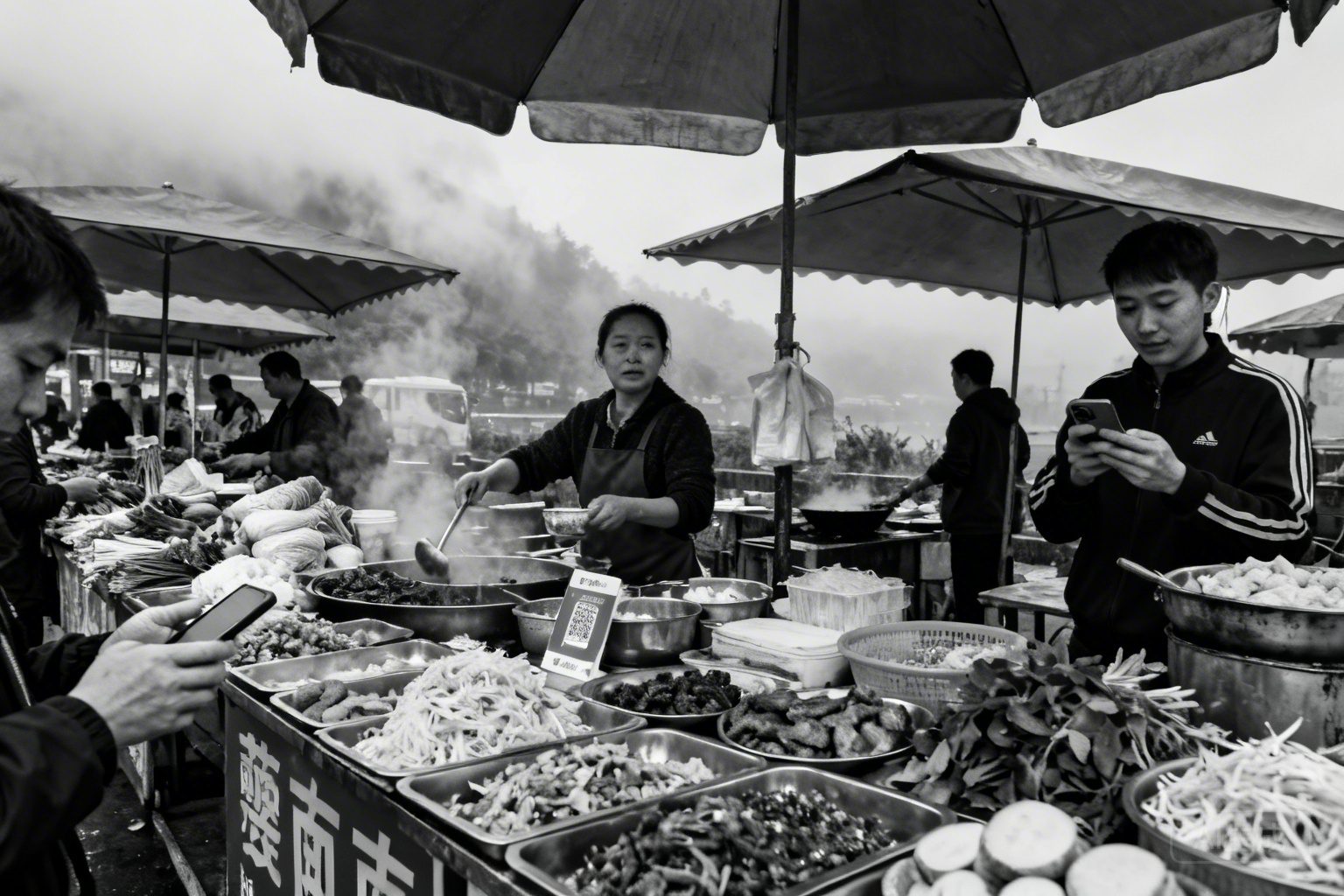
I am standing on the corner of Charoen Krung Road, the city’s oldest paved artery. The air here tastes of charred pork fat and old radiator fluid. A 100-year-old teak door, its green paint peeling in long, curled ribbons like dried seaweed, groans on rusted hinges. Behind it, an elderly woman with skin like crumpled parchment and eyes that have seen the reign of three kings methodically pounds chilies in a stone mortar. *Thump. Thump. Thump.* The sound is the heartbeat of the soi.
The travel brochures will tell you to come in December. They will speak of “cool” breezes and blue skies. But the brochures are written for people who want to observe Bangkok, not inhabit it. To find the gaps between the tourist throngs, to see the city when its seams are showing and its soul is bared, you must time your arrival with the precision of a master watchmaker. You must learn to love the rain, or the heat that makes the asphalt shimmer like a mirage.
The Season of the Shimmer: March to May
April is a crucible. The sun is a white-hot coin pressed against the forehead of the city. This is the “shoulder” season for those who possess a masochistic streak or a profound love for the surreal. The crowds have thinned because the heat has become an physical entity—a heavy, invisible blanket that draped over your shoulders the moment you step out of the Suvarnabhumi terminal.