The Best Time to Visit Berlin: A Seasonal Guide to Avoiding the Crowds!
The Best Time to Visit Berlin: A Seasonal Guide to Avoiding the Crowds!
I’ve been living out of a beat-up Osprey pack and a series of sublet Altbau apartments in this city for six months now. I didn’t come here to see the Brandenburg Gate or wait in a three-hour line for a kebab that Instagram told me was “life-changing.” I came here to disappear. Berlin is the ultimate place for that. It’s a city that doesn’t just tolerate your anonymity; it demands it. If you’re looking for the “best” time to visit, the tourist boards will tell you May or June when the cherry blossoms are out and the canals are sparkling. They’re wrong. That’s when the city is congested with people who walk too slow on the sidewalk.
If you want to actually live here, to feel the grit and the silence and the weird, pulsing energy of the neighborhoods without dodging a selfie stick, you need to understand the seasonal shifts. You need to know when the sky turns the color of wet concrete and the locals retreat into wood-paneled “Kneipes” (corner bars) where the smoke is thick and the beer is cheap. This is a guide for the wanderer, the digital nomad who needs a fast connection and a place where nobody asks for their ID or their life story.
The Seasonal Truth: When to Actually Show Up
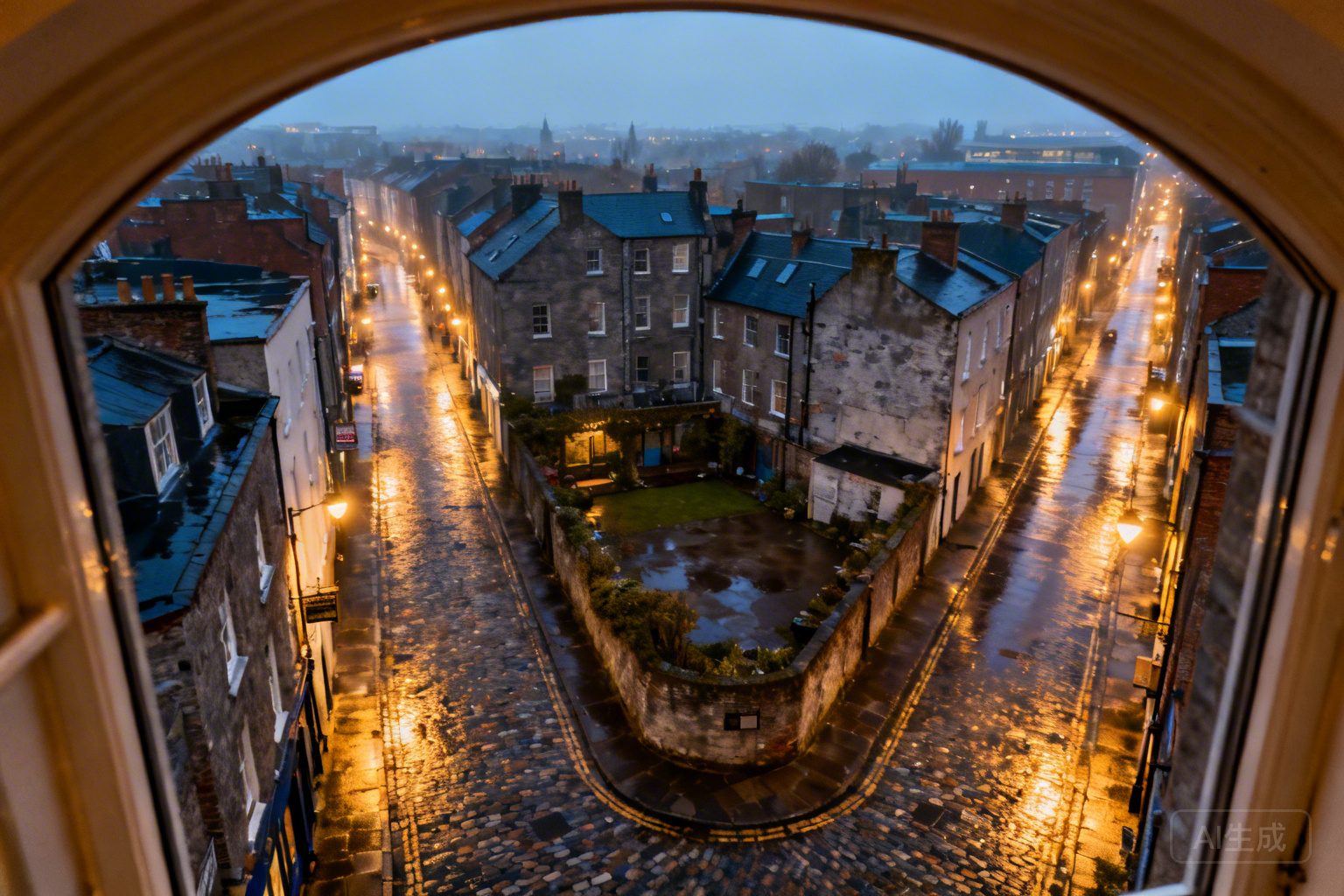
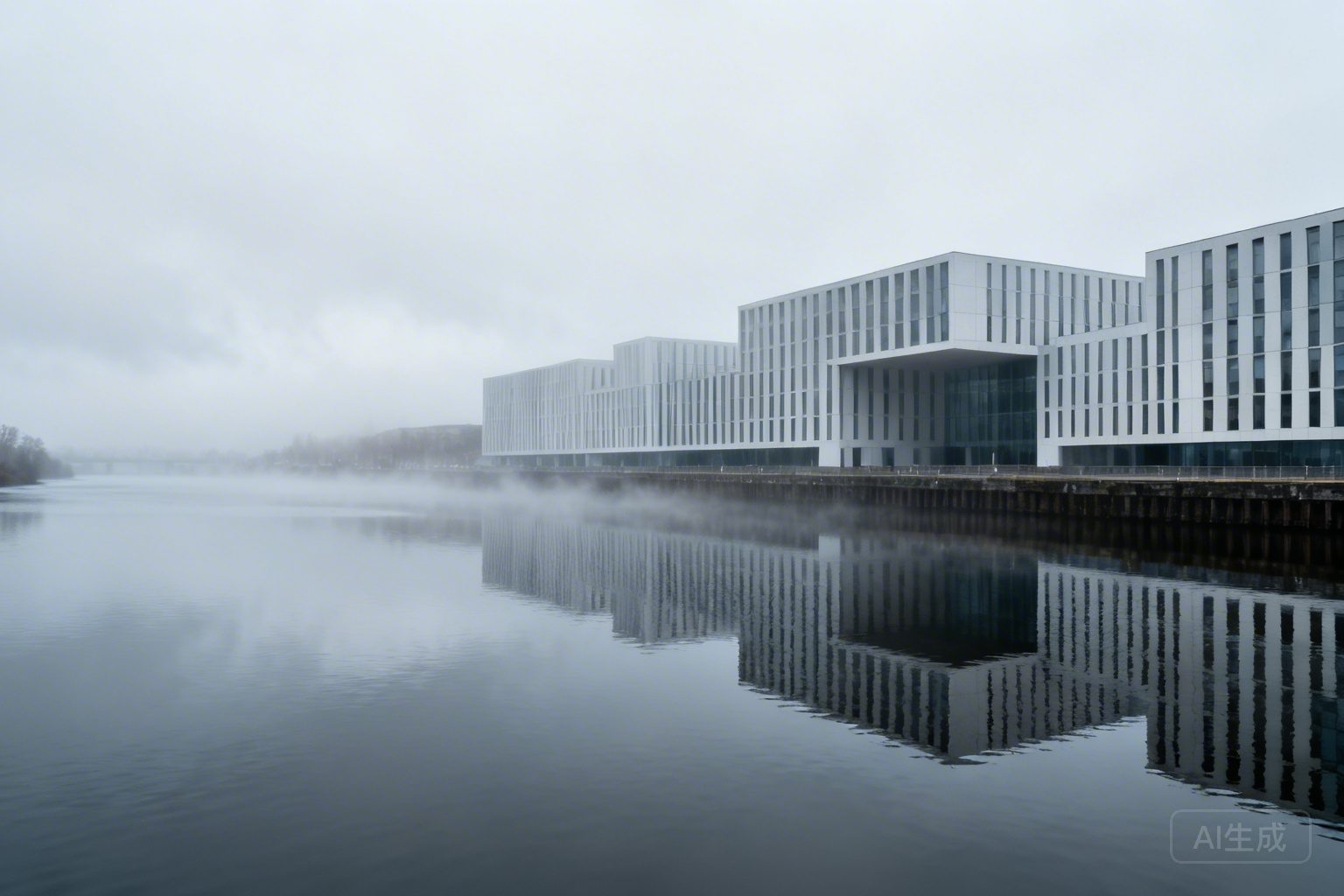
Forget the summer. Summer in Berlin is a fever dream of humidity and overcrowded parks. The real magic happens in late October through early December, or the brutal, honest stretch of February. Why? Because the “event” tourists are gone. The city belongs to the ghosts and the people who have to be here. In November, the air smells like coal smoke and damp earth. You can get a table at any cafe. You can walk through the Tiergarten and feel like the last human on earth.
The “unwritten rules” of the city become more apparent when the crowds thin. For instance, Berliners don’t do small talk. If you try to chat with a cashier at the Rewe, you’ll get a stare that could freeze nitrogen. It’s not rudeness; it’s a respect for time and space. You queue in silence. You wait for the green man at the crosswalk even if there isn’t a car for three miles—not because you’re a rule-follower, but because “Ordnung” is the invisible backbone of this chaotic place. And tipping? Just round up. If your coffee is €3.60, give them €4. If you’re at a sit-down dinner and the service was actually decent, 5-10% is plenty. Anything more and you look like a desperate tourist trying to buy friendship.