The Best Time to Visit Hallstatt: A Seasonal Guide to Avoiding the Crowds!
The Hallstatt Hallucination: How to Exist Where Everyone Else Just Looks
I’ve been sitting in the same wooden chair at a corner table in Lahn for three months now. Most people see Hallstatt as a postcard—a two-dimensional image they can consume in four hours before boarding a bus back to Salzburg. They arrive at 10:00 AM, take the “classic” photo near the northern viewpoint, buy a magnetic salt shaker, and leave. They never actually see the place. To see it, you have to stay long enough for the day-trippers to become a blurred background noise, like the sound of the waterfall behind the village.
Living here as a nomad isn’t about the views; it’s about the silence that hits at 6:00 PM. When the last ferry leaves and the tour groups vanish, the town exhales. That’s when the real Hallstatt reveals itself. If you want to disappear here, you have to understand the rhythm of the Traunsee region. It’s a place of rigid tradition masked by extreme natural beauty. You don’t just “visit” Hallstatt if you want to belong; you inhabit the gaps between the tourist rushes.
The Seasonal Shift: When the Ghost Town Becomes Yours
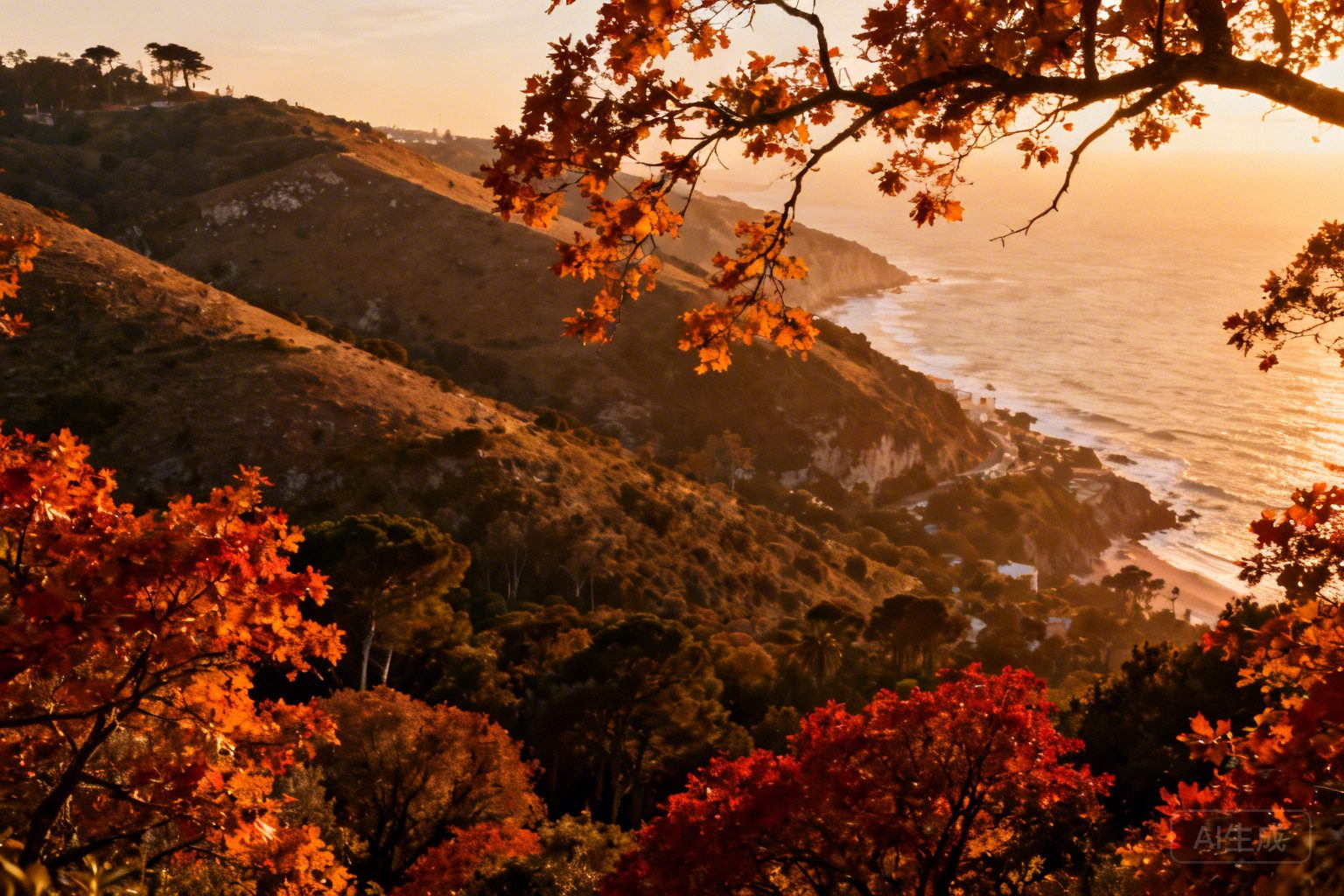
Forget summer. July and August in Hallstatt are a fever dream of selfie sticks and overpriced gelato. If you want to blend in, you come in the “Grey Months.” I arrived in late October, just as the larch trees were turning a violent shade of orange. November is the secret weapon for the digital nomad. The mist clings to the Dachstein mountains, the air smells of woodsmoke and damp stone, and the streets are empty.
In November, the locals stop looking at you with that weary, “how many more of them?” expression and start seeing you as a person. I remember getting lost—genuinely turned around—in the upper alleys near the ossuary. I was looking for a specific staircase that supposedly led to an old salt miner’s path. I ended up in someone’s backyard, face-to-face with an elderly woman hanging laundry in the freezing mist. Instead of the expected scolding, she pointed toward a tiny, unmarked wooden door. “The wind blows colder up there, boy,” she said in a dialect so thick I could barely catch the vowels. That door didn’t lead to a path; it led to a tiny, unofficial “schnapps room” where three old men were playing cards. I spent three hours there. No photos, no tags. Just the smell of fermented pears and the sound of heavy boots on floorboards.