The Best Time to Visit Macau: A Seasonal Guide to Avoiding the Crowds!
The Humidity, The Haze, and The Art of Being Invisible
Most people treat Macau like a high-speed pit stop. They get off the ferry from Hong Kong, shuffle through the Ruins of St. Paul’s, snap a selfie at the Venetian, and leave before the sun sets. They see the neon, but they never see the rust. I’ve been living here for six months now, tucked away in an apartment where the paint is peeling and the incense from the neighbor’s shrine drifts into my window every morning at 6:00 AM. If you want to “disappear” here, you have to understand that Macau isn’t a city; it’s a series of overlapping villages. Each season dictates a different rhythm of survival.
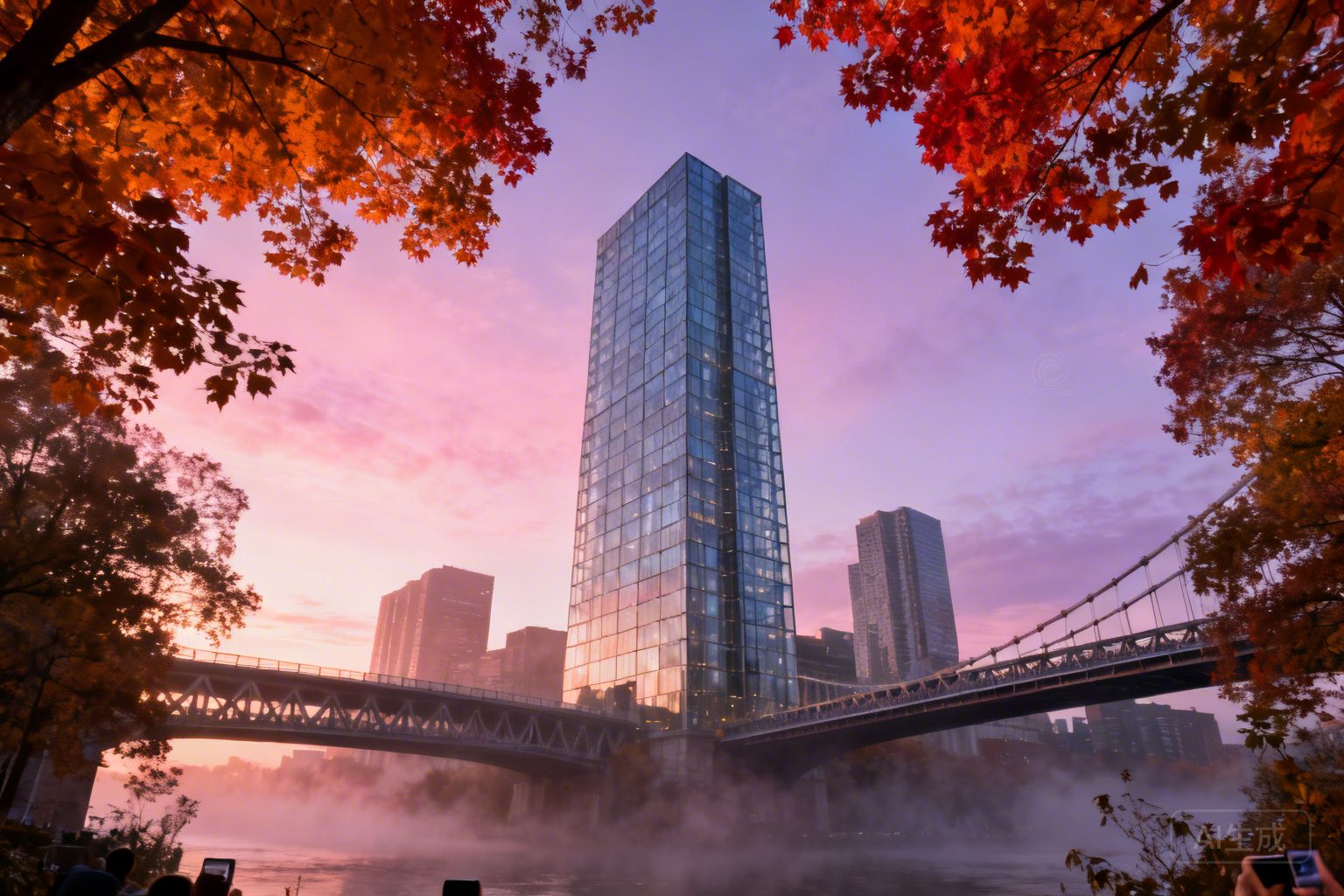
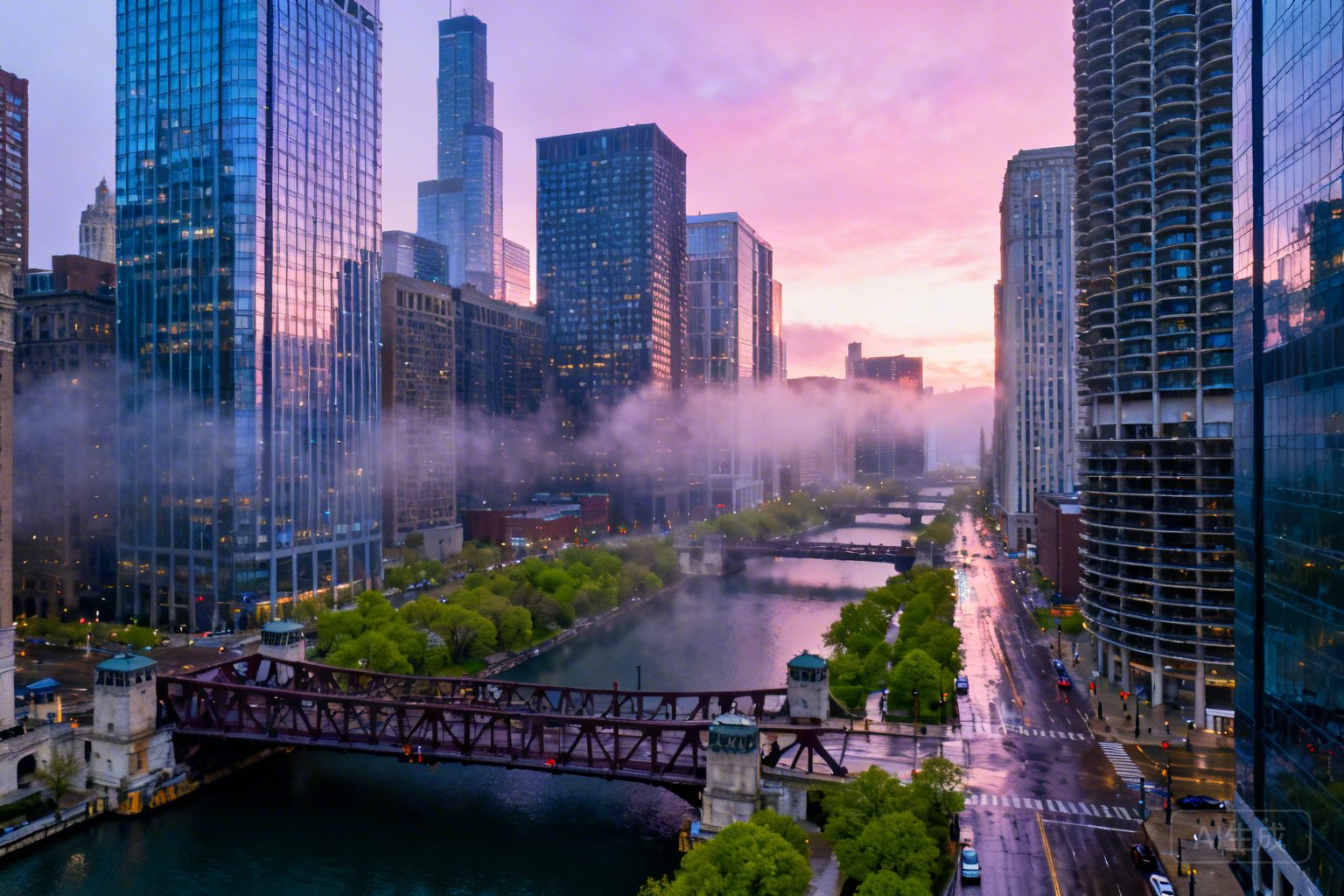
The “best” time to visit isn’t about the weather—it’s about the crowd migration. October to December is undeniably the sweetest spot for temperature, but it’s also when the mainland tourists descend in waves. If you want to vanish, you come in the “shoulder” of the humidity—late March or early April. It’s misty, your clothes will never fully dry, and the cobblestones are slick with moisture, but the tourists hate it. They want clear skies for photos. You? You want the fog that rolls off the Pearl River Delta, turning the narrow alleys into something out of a noir film. That’s when you find the real Macau.
The Invisible Rules: How Not to Look Like a Tourist
Before we get into the geography, let’s talk about the vibe. Macau is a place of quiet efficiency and strange contradictions. Tipping is not a thing here. If you try to tip at a local cha chaan teng (tea restaurant), the auntie running the floor will likely chase you down to return your 5 MOP, thinking you forgot it. It’s not rude; it’s just not the protocol. However, rounding up the change in a taxi is standard practice.
Queueing is an art form. It’s not the rigid, polite line-up you see in London. It’s a dense, physical gathering. If you leave a gap of more than six inches between you and the person in front, someone’s grandmother will materialize in that space. It’s not aggressive; it’s just the physics of a city with one of the highest population densities on earth. To fit in, you have to stand your ground with a kind of passive-aggressive sturdiness.