The Best Time to Visit Madrid: A Seasonal Guide to Avoiding the Crowds!
The Gilded Skeleton of Castile: Seeking Madrid’s Secret Hours
Madrid does not merely exist; it exhales. It is a city of heavy, velvet curtains and sharp, flinty light, a place where the sun feels less like a celestial body and more like a physical weight pressing against the granite lintels of the Habsburg palaces. To ask for the “best time” to visit is to ask which version of a fever dream you prefer to inhabit. Do you want the hallucinatory heat of August, when the asphalt turns to black taffy and the locals flee for the coast, leaving the city to the ghosts and the bravest of ghosts? Or do you seek the brittle, diamond-clear clarity of January, where the wind whistles down from the Sierra de Guadarrama like a sharpened blade, cutting through the wool of your overcoat and reminding you that you are, after all, on a high, unforgiving plateau?
The secret to avoiding the crowds is not found on a calendar, but in the rhythm of the shadows. It is found in the “desvelado”—the sleeplessness—that defines the Madrileño spirit. To see the city without the crushing weight of a thousand selfie sticks, one must become a ghost. One must learn to love the city when it is most vulnerable, stripped of its tourist finery and left in its structural, stony bones.
The Winter of Glass: January and the Quiet of the Austrias
In January, Madrid is a city of glass. The air is so thin and dry it feels as though it might shatter if you speak too loudly. This is the season of the cocido madrileño, a three-course ritual of chickpeas, marrow, and broth that serves as a culinary weighted blanket. At the corner of Calle de Segovia, the wind has a specific pitch—a low, mournful howl that vibrates against the wrought-iron balconies. The paint on the doors here is not merely old; it is sedimentary, layers of oxblood red and charcoal grey flaking away to reveal the pale wood of a century ago.
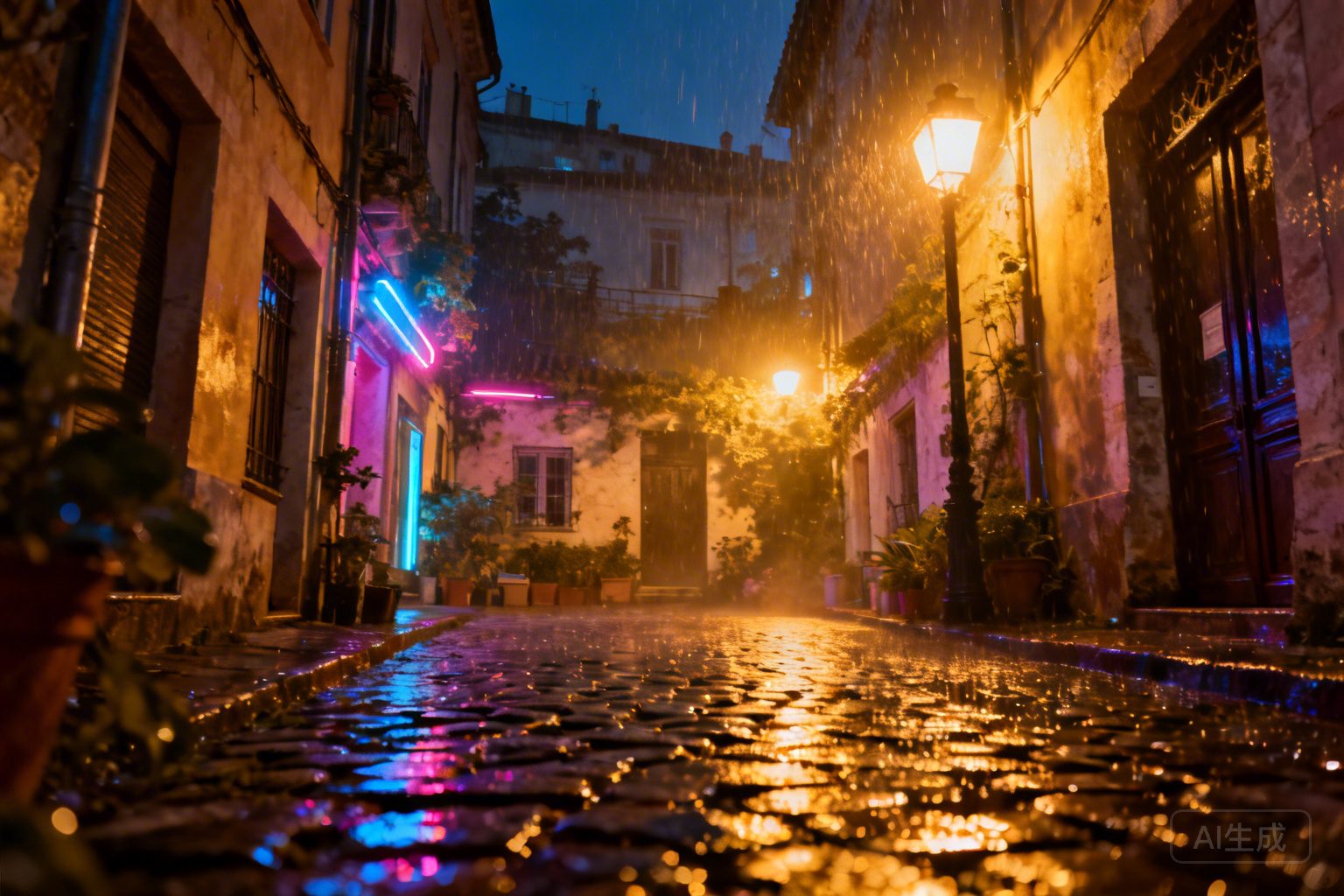
I find myself in the Barrio de los Austrias at 8:00 AM. The cobblestones are slick with a frost that looks like spilled salt. Here, I encounter the first character of the morning: a monk from the Carboneras convent, silent as a thumbprint. He moves with a rhythmic shuffling, his sandals clicking against the stone, a sound that has likely remained unchanged since Philip II decided this dusty outpost should be the center of the world. He does not look up. He is a part of the architecture, as much as the weathered stone gargoyles that stare down from the eaves.