The Best Time to Visit Nadi: A Seasonal Guide to Avoiding the Crowds!
The Nadi You Weren’t Invited To
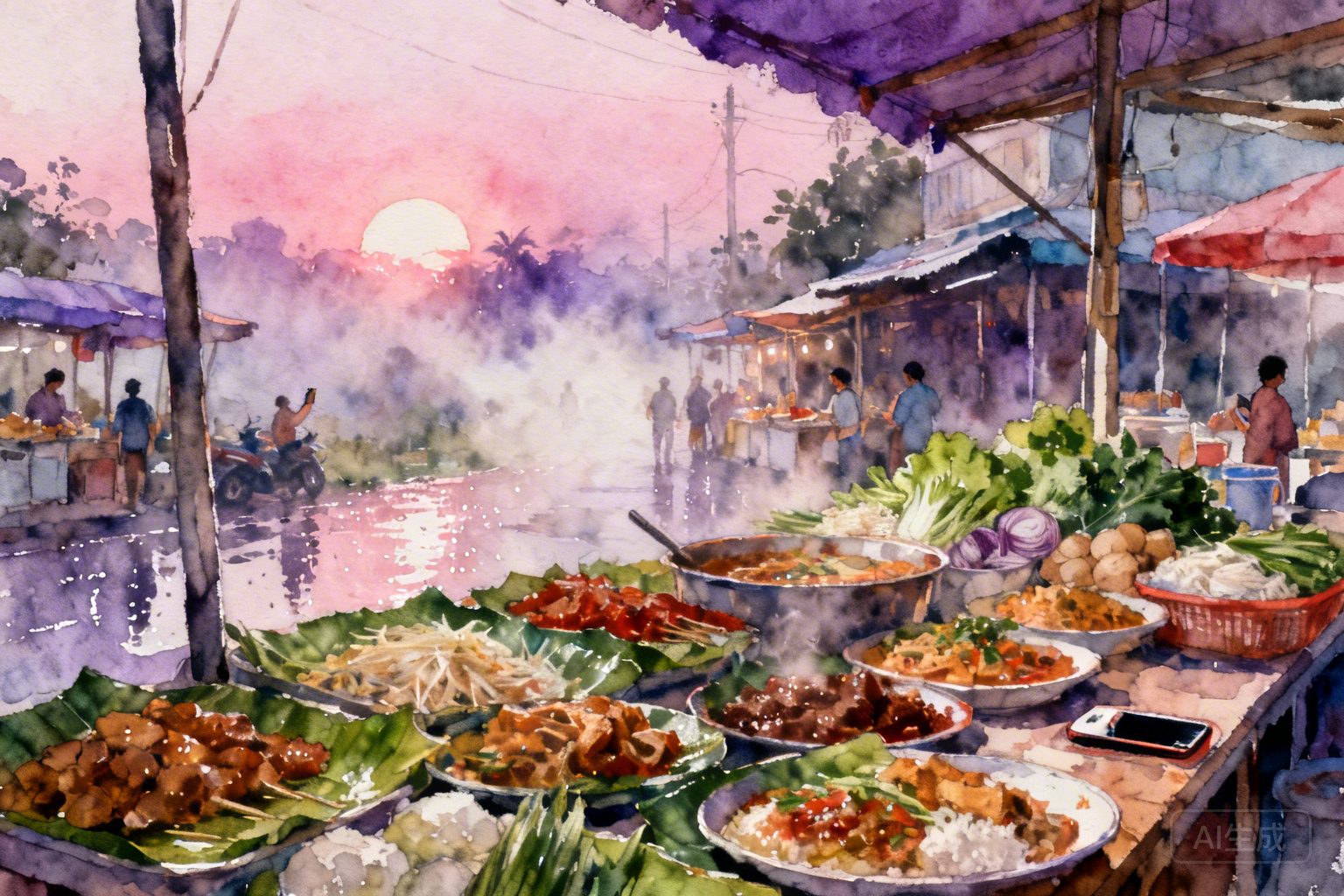
Most people treat Nadi like a waiting room. They land at the international airport, scramble into a shuttle, and disappear into the sanitized luxury of Denarau Island. They see the postcard version of Fiji: high-thread-count sheets, infinity pools, and fire dancers who are paid to smile. If that’s what you’re looking for, you can stop reading. I’m writing for the person who wants to sit on a plastic chair at 11 PM, eating lamb curry out of a takeaway container while the humid night air sticks to their skin.
I’ve been drifting through Nadi for four months now. I didn’t come here for the resorts; I came here because I wanted to see how a Pacific transit hub actually breathes when the tourist buses aren’t idling. To “disappear” here, you have to understand the rhythm of the seasons—not just the weather, but the human tide. If you time it wrong, you’re just another “Bula!”-shouting ghost in the machine. If you time it right, you become part of the scenery.
The Seasonal Shift: When the Crowds Actually Leave
The “best” time to visit according to travel brochures is the dry season (May to October). It’s sunny, the humidity is manageable, and it’s also when the city is infested with tour groups. If you want to melt into the local fabric, you look for the shoulders.
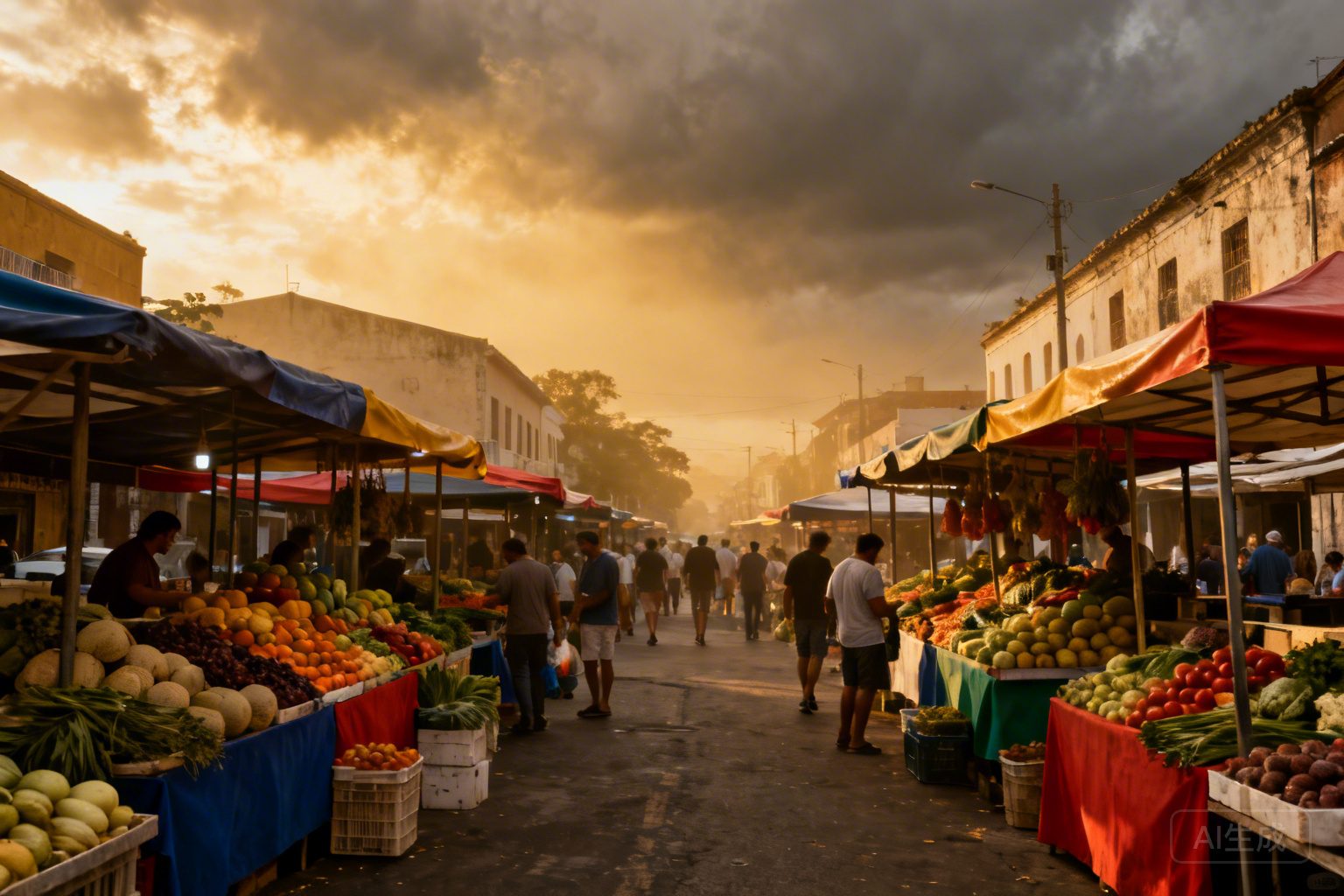
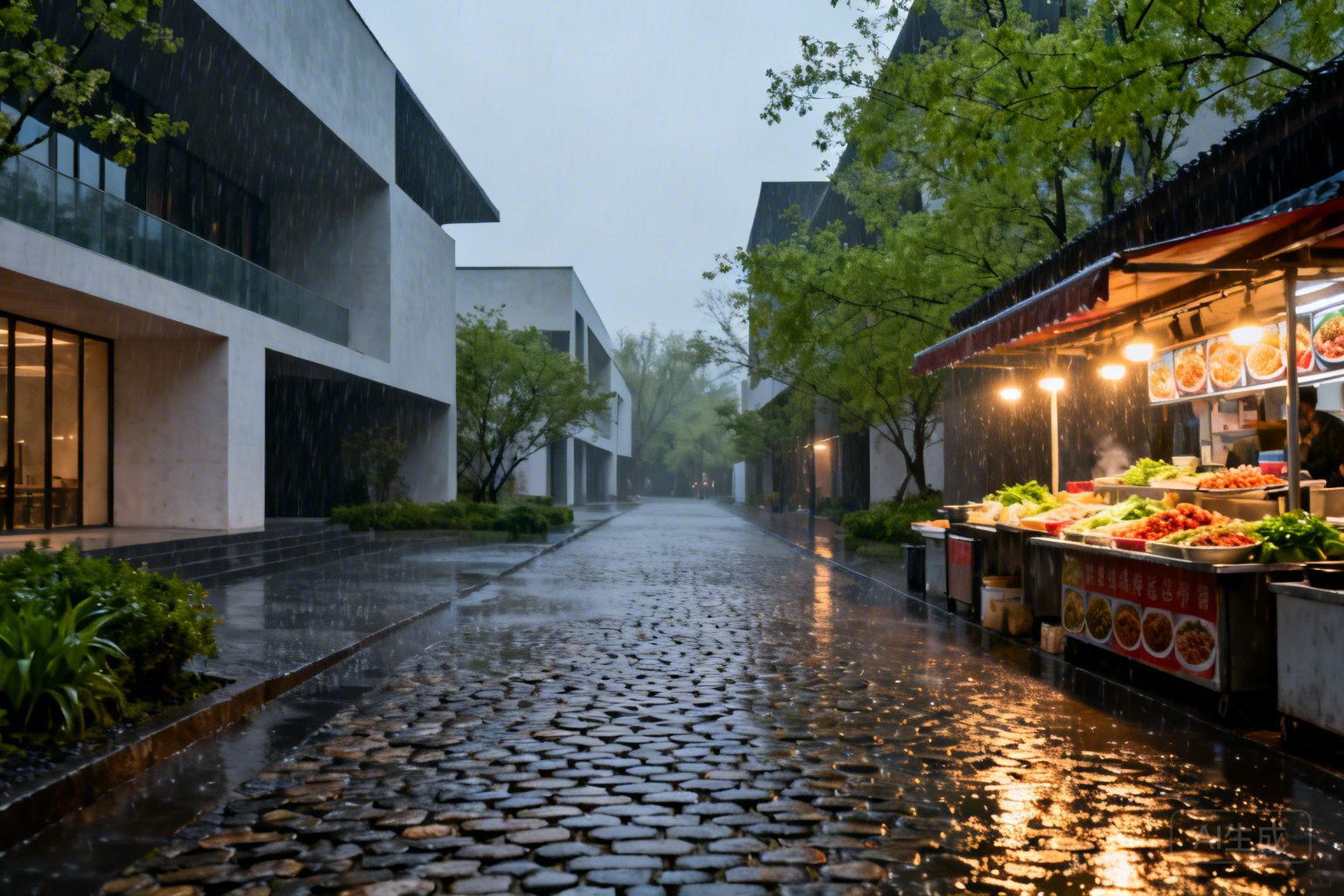
Late October to early December is the sweet spot. The humidity starts to build, a heavy, expectant pressure that keeps the casual vacationers away. This is when the mangoes ripen. You’ll see trees sagging over fences in every neighborhood, and the air smells faintly of fermenting fruit. The rains come in short, violent bursts in the afternoon, turning the dust to red clay. This is when the locals slow down, and if you’re sitting under a tin roof during a downpour, people will actually start talking to you because nobody is going anywhere for the next twenty minutes.