The Best Time to Visit Petra: A Seasonal Guide to Avoiding the Crowds!
The Rose-Red Threshold
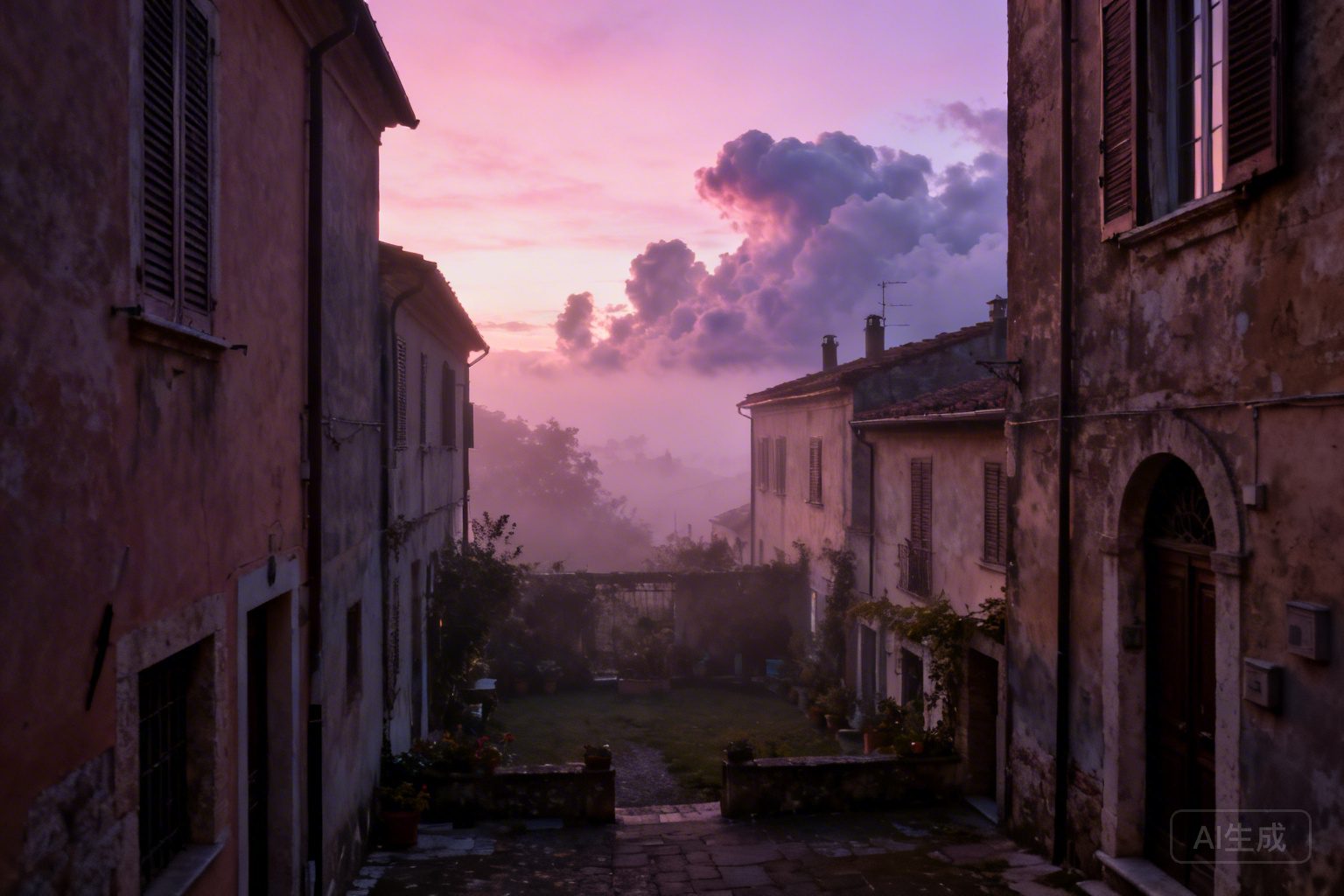
The dawn over Wadi Musa does not arrive with a whisper; it breaks like a fever. It is 5:14 AM in mid-November, and the air carries a jagged, crystalline chill that bites through linen and wool alike. Outside the window of my guesthouse, the village clings to the limestone cliffs like a collection of discarded dice, white and chalky against the bruised purple of the sky. Somewhere in the distance, a donkey brays—a sound like a rusty hinge being forced open—and the call to prayer begins to weave through the valley, a low, melancholic baritone that feels older than the stones themselves.
Most travelers arrive here in April, lured by the promise of temperate breezes and the predictable safety of the high season. They come in thundering battalions of tour buses, spilling out in a cacophony of neon windbreakers and sun-faded baseball caps. But they are missing the secret. To truly see Petra—not as a backdrop for a digital postcard, but as a living, breathing entity—one must choose the margins. You must come when the wind smells of impending snow or when the summer heat is so profound it turns the horizon into a shimmering lake of mercury.
I lace my boots. The leather is scuffed with the dust of three continents. I step out into the street where the pavement is uneven, cracked by the relentless expansion of heat and the contraction of desert nights. A single streetlamp flickers, casting a sickly yellow strobe light over a 100-year-old door whose turquoise paint is peeling in long, curled ribbons, revealing the grey, thirsty wood beneath.
There is a specific silence to a desert town before the engine of tourism ignites. It is heavy. It is expectant.