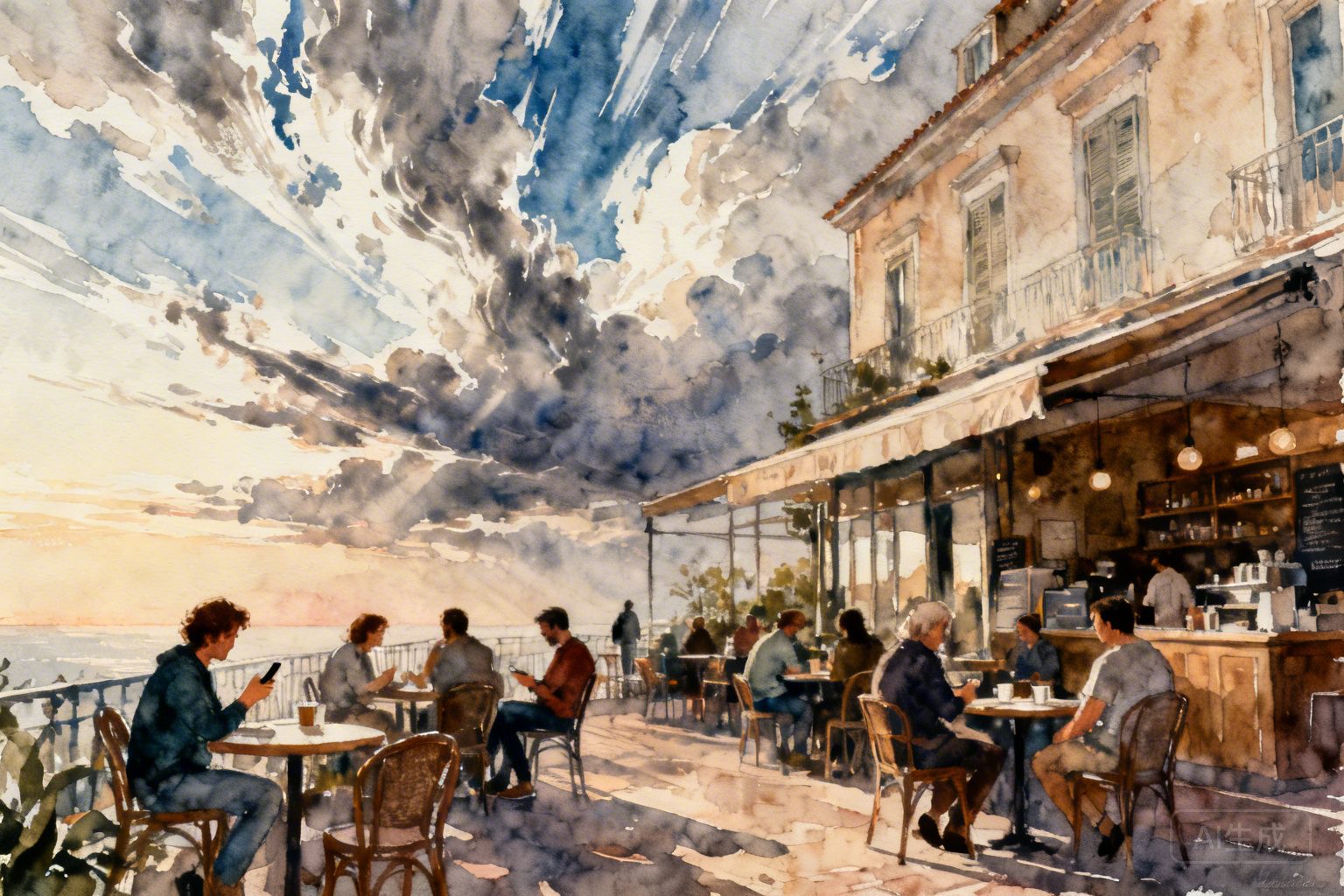
The Best Time to Visit Rome: A Seasonal Guide to Avoiding the Crowds!
The Amber Hour of the Eternal City
Rome does not merely exist; it breathes, a colossal, calcified beast heaving under the weight of three millennia. Most pilgrims arrive when the sun is a physical weight, a golden hammer pounding the cobblestones of the Via del Corso into a shimmering, heat-distorted haze. They come in July, swaddled in polyester and desperation, clutching lukewarm plastic bottles of water while queuing for a glimpse of a ceiling they are too tired to truly see. To visit Rome then is to participate in a collective fever dream. But to know Rome—to feel the pulse of the Tiber and the cool, damp breath of the catacombs—is to understand that the calendar is your most vital tool of navigation.
The secret of the city is not found in a guidebook, but in the specific gravity of the light as it hits the peeling, ochre-washed facade of a Trastevere tenement at four o’clock on a Tuesday in November. Here, the paint doesn’t just flake; it reveals layers of history like the rings of a tree—Fascist-era brickwork beneath post-war plaster, topped with a patina of diesel soot and blooming jasmine. The air smells of roasting chestnuts and the metallic tang of ancient plumbing. This is the Rome that the brochures forget to mention, and it is the only one worth the flight.
The Winter Ghost: January and February
There is a particular silence that descends upon the Piazza Navona in late January. The fountains, usually besieged by selfie sticks and the frantic chirping of tour guides, become lonely monuments of marble and spray. Bernini’s giants look colder, their stone muscles tensing against the tramontana—the biting wind that sweeps down from the Alps, whistling through the narrow vicoli with the pitch of a distant flute. It is a sharp, surgical wind that clears the smog and leaves the sky a bruised, electric blue.
I found myself standing outside a small enoteca near the Pantheon, watching a waiter named Giacomo. He was a man of sixty, with skin the texture of a well-worn leather satchel and eyes that had seen a thousand empires rise and fall in the span of a lunch service. He stood on the threshold, a white linen napkin draped over his forearm like a liturgical vestment, staring into the middle distance. He didn’t invite me in; he merely stepped aside, an unspoken acknowledgement that if I was foolish enough to be out in this cold, I deserved a glass of Barolo.