The Best Time to Visit Tashkent: A Seasonal Guide to Avoiding the Crowds!
The Blue Dome and the Brittle Wind
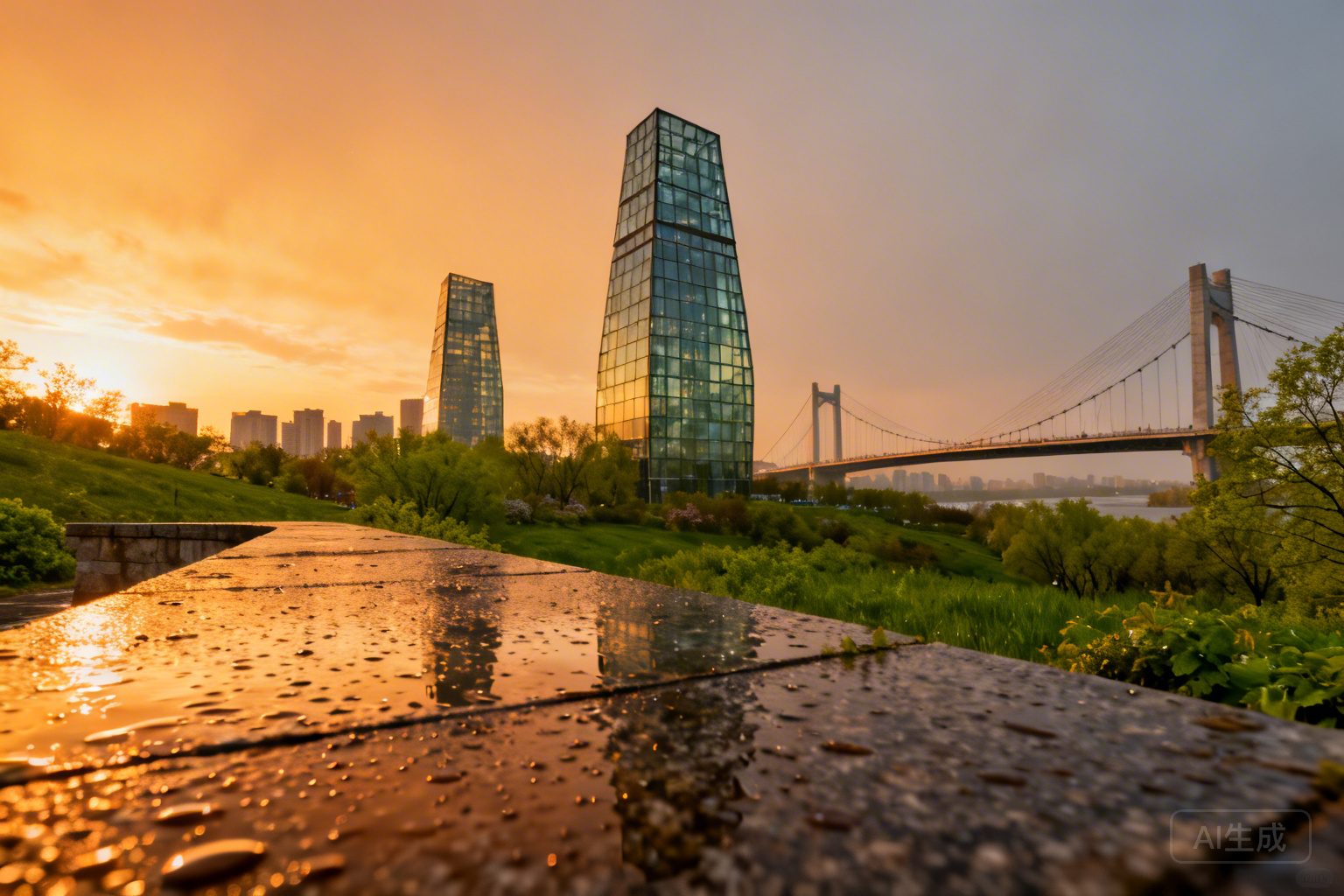
There is a specific, razor-edged moment in late October when the air in Tashkent stops being a weight and starts being a knife. It happens at the intersection of Navoi and Sharaf Rashidov, usually around 4:30 PM, when the sun dips behind the Soviet-era monoliths and the shadows stretch out like long, skeletal fingers across the pavement. The heat, which for three months has pressed down on the city with the suffocating density of a wool blanket, suddenly breaks. It doesn’t fade; it snaps. One moment you are sweltering in the shadow of a Brutalist apartment block, and the next, a wind born in the Tien Shan mountains sweeps through the broad avenues, carrying the scent of dry earth and the distant, metallic tang of coming snow.
This is the secret. This is the aperture through which the real Tashkent reveals itself.
The travel brochures will tell you to come in May, when the roses are in bloom and the city’s endless parks are a riot of manicured green. They are wrong. In May, the crowds from the European tour groups clog the narrow alleys of the Chorsu Bazaar, their digital cameras clicking like locusts against the backdrop of the blue-tiled domes. No, to see Tashkent—to feel the pulse of a city that has been destroyed by earthquakes and rebuilt by empires over two millennia—you must come when the sky turns the color of a bruised plum and the tourists have all fled for the warmer climes of Southeast Asia.
The Copper Morning: Chorsu’s Cold Geometry
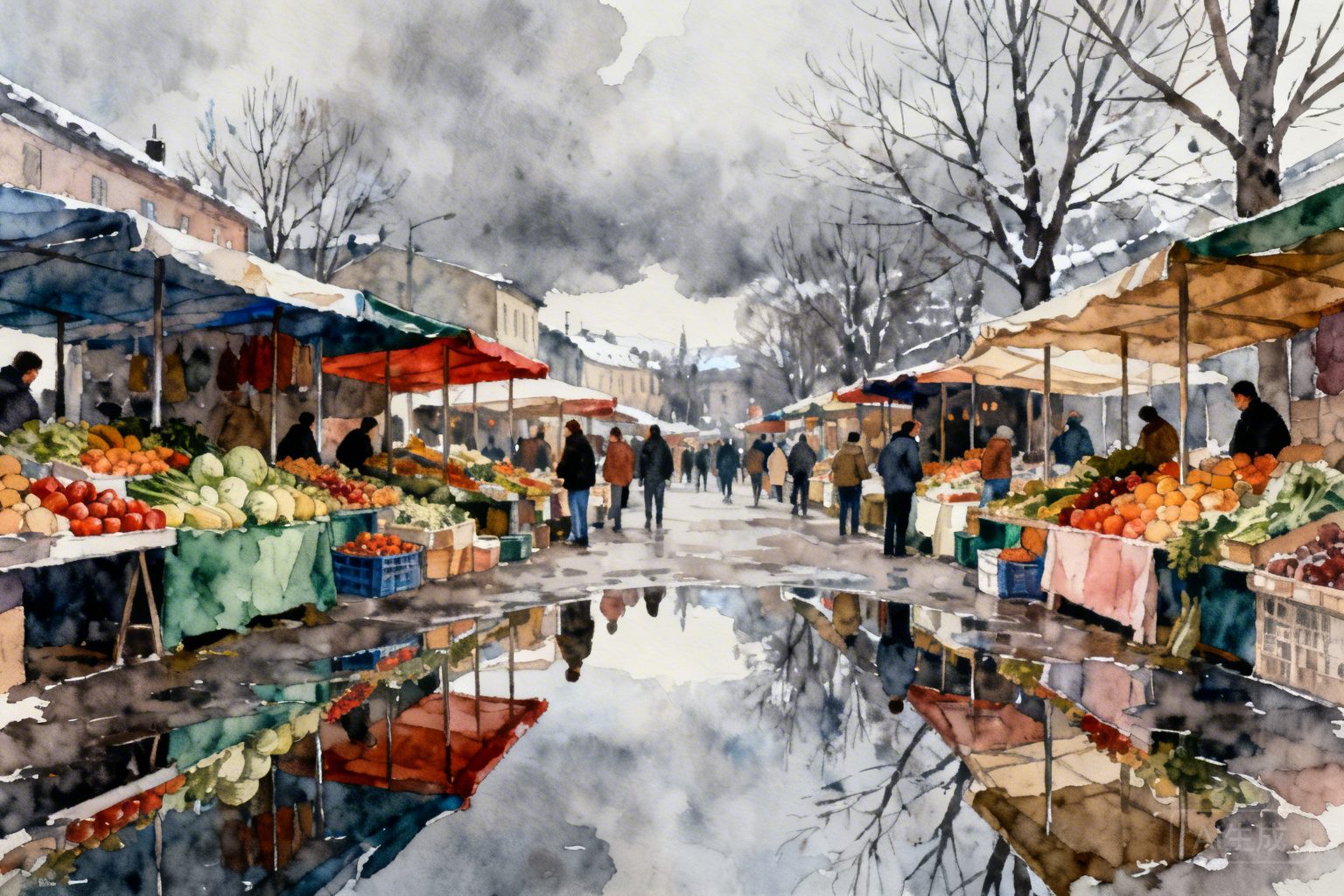
At 6:00 AM in November, the Chorsu Bazaar is not a tourist destination; it is a sprawling, breathing organism of survival. The giant turquoise dome, a masterpiece of Soviet Orientalism, looms out of the morning mist like a grounded spaceship. Inside, the temperature is barely a degree warmer than the street. The air is thick with the smell of non—the thick, circular bread stamped with geometric patterns—emerging hot from the clay tandir ovens. The steam rises in vertical columns, catching the shafts of weak morning light that filter through the high, arched windows.