The Best Time to Visit Vancouver: A Seasonal Guide to Avoiding the Crowds!
The Vancouver Disappearance: A Guide for the Restless
I’ve been living out of a tactical backpack in a sublet near Commercial Drive for four months now, and I’ve learned one thing: Vancouver isn’t a city you visit; it’s a city you camouflage yourself into. If you come here in July, you’re just another body clogging up the Seawall, fighting for a $16 gelato in Kitsilano. You’ll see the mountains, sure, but you won’t see the city’s marrow.
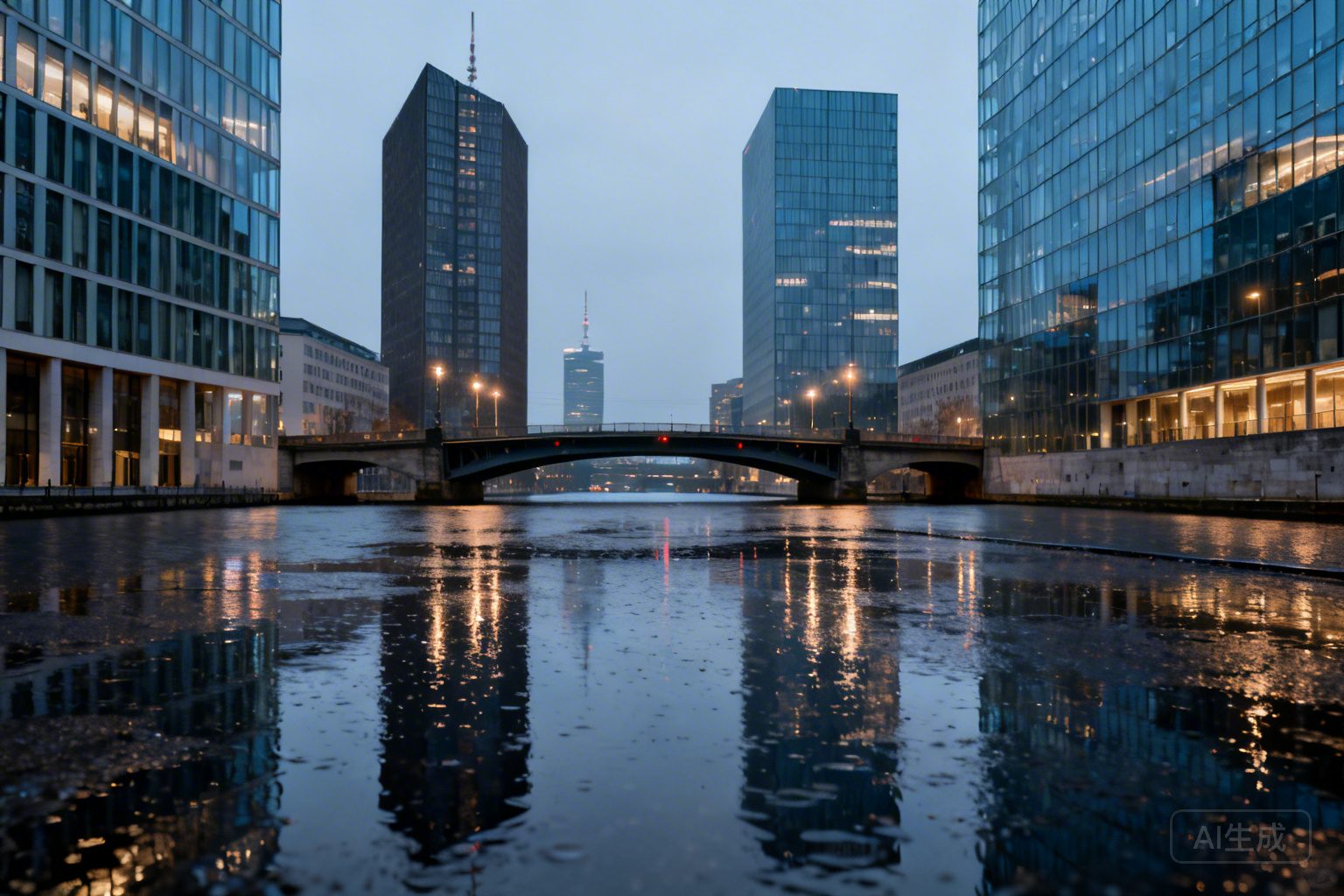
To really disappear here, you have to lean into the damp, the grey, and the quiet. The “best” time to visit isn’t when the sun is out; it’s during the shoulder seasons—late October through November, or February through April. This is when the tourists flee, the rental prices for short-term pads dip slightly, and the “Vancouver Chill” (the local brand of social standoffishness) softens just enough for you to slip through the cracks. This is a guide for the digital nomad who wants to be mistaken for a local who just happens to work in a hoodie at the back of a dimly lit cafe.
The Unwritten Rules of the Rainy City
Before you drop your bags, you need to understand the social mechanics. Vancouverites are notoriously polite but fiercely private. There’s a specific “look” you need to master: the Arc’teryx shell (gore-tex is the local religion), Blundstone boots, and a neutral expression that suggests you might be heading to a hike but are actually just going to buy organic kale.
Tipping is mandatory and aggressive. If you’re sitting at a bar, 18% is the baseline for “just okay” service. 20% is the standard. If you don’t tip, the vibe in the room will sour instantly. Queueing is a sacred art. Whether it’s for the 99 B-Line bus or a sourdough loaf at Nelson the Seagull, you wait your turn in silence. No pushing, no loud phone calls. If you speak loudly on your phone in a public space, you are marking yourself as an outsider. Vancouver is a city of whispers and the soft patter of rain.