The Definitive Jaipur Travel Guide: Everything You Need to Know!
The Rose-Colored Fever Dream
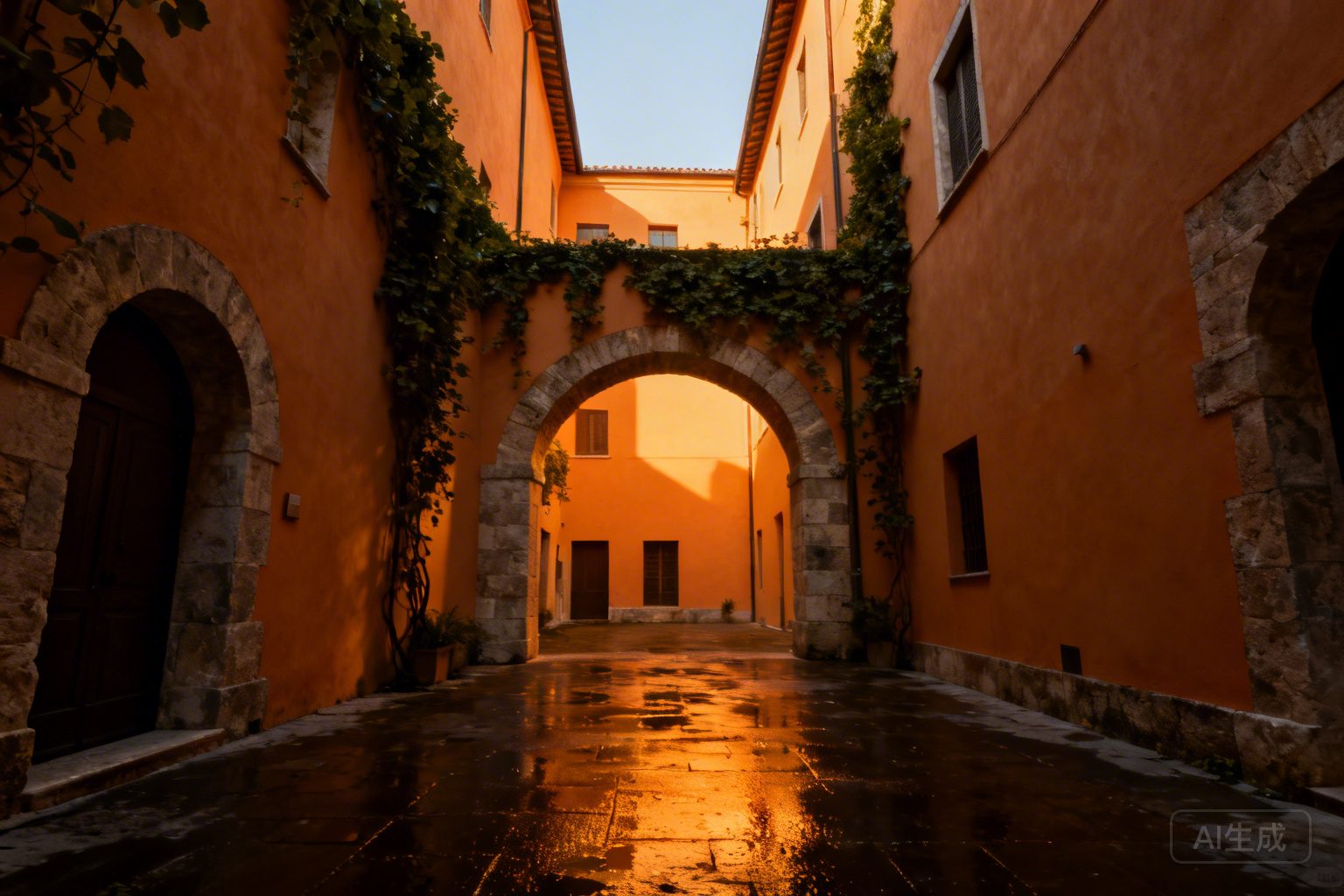
The dust in Jaipur does not simply settle; it colonizes. It is a fine, kinetic powder the color of crushed turmeric and dried marigolds, rising in plumes behind the frantic rotation of bicycle rickshaw wheels and the heavy, rhythmic thud of an elephant’s foot on the climb toward Amer. To enter the Pink City is to surrender to a chromatic hallucination. The “pink” is not the pastel of a nursery or the neon of a Miami sunset, but a deep, earthy terracotta—the color of a sunburnt brick cooling in the shade. In 1876, Maharaja Ram Singh ordered the city painted this hue to welcome the Prince of Wales, a gesture of hospitality that hardened into a legal mandate. Today, the law remains, and the city wears its history like a heavy, embroidered shawl, frayed at the edges but stubbornly regal.
I arrived when the morning light was still thin and silver, the air carrying the sharp, metallic tang of cold exhaust and the sweetness of simmering milk. At the Hawa Mahal, the “Palace of Winds,” the facade is less a building and more a screen of stone lace. Five stories of honeycombed sandstone rise above the roar of the main road, punctuated by 953 tiny windows. Behind these lattices, the royal women of the zenana once stood, their eyes pressed to the stone, watching the world move without ever being seen by it. To touch the stone is to feel the grit of centuries; the surface is pitted, cooling rapidly as the wind whistles through the vents designed to act as a natural air conditioner. It is a monument to observation—the architecture of the voyeur.
The street below is a different theater entirely.
The Geometry of Chaos
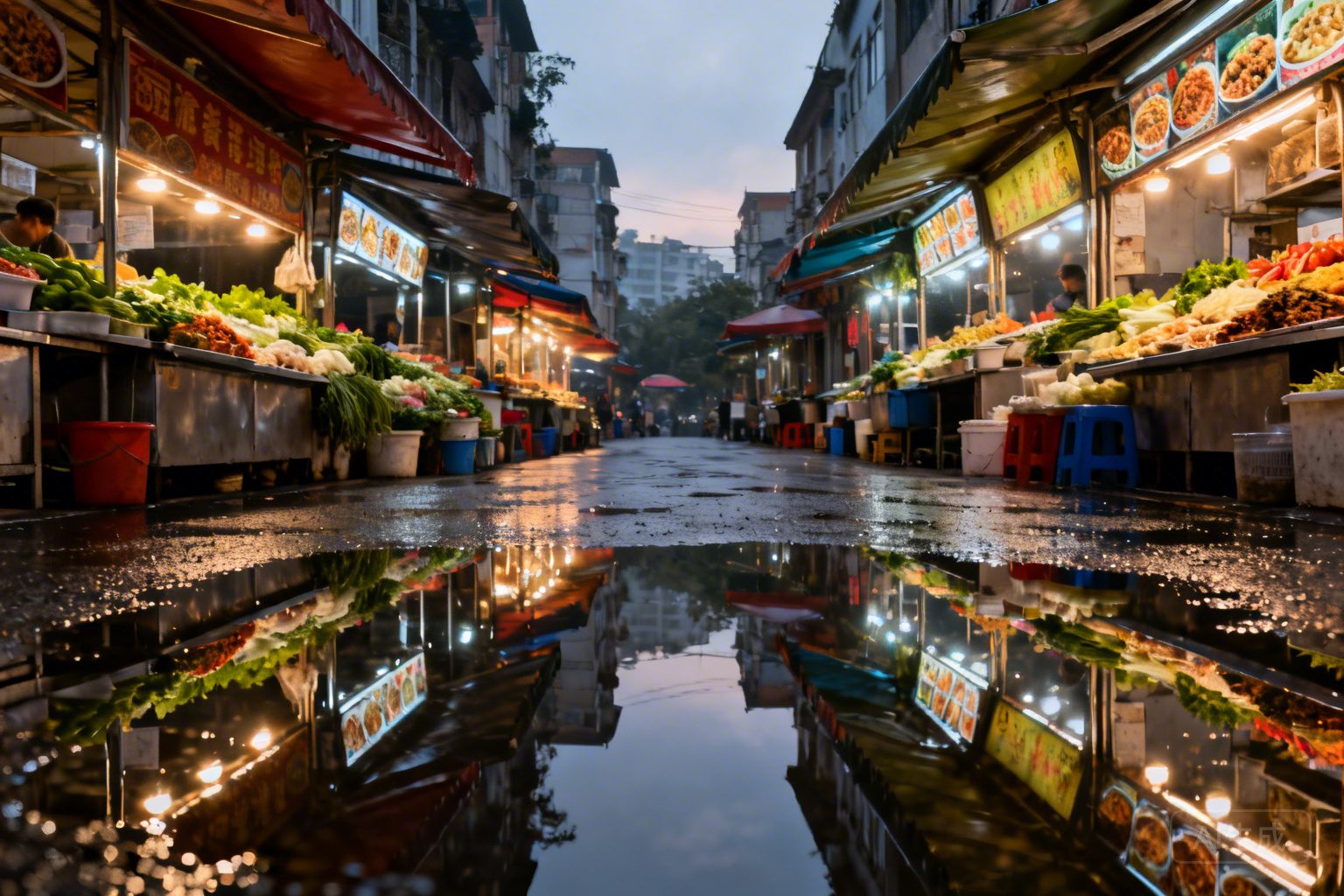
In the Johari Bazaar, the scent of silver polish competes with the oily aroma of deep-frying kachoris. The architecture here is a masterpiece of Vedic planning, a grid of nine squares reflecting the celestial bodies, yet the human element is gloriously Euclidean. I watched a brusque waiter at a nameless tea stall—a man with a mustache so sharp it looked weaponized—pour masala chai from a height of three feet, the liquid a tawny arc that never missed the glass. He didn’t look at the tea. He looked at the frantic office worker checking a knock-off Titan watch, a man whose briefcase was held together by sheer willpower and a single fraying strap of nylon.
Nearby, an old man sat cross-legged on a wooden platform, his fingers stained blue from indigo dye. He was a silent monk of the textile trade, folding pashminas with a mechanical, hypnotic grace. He didn’t speak to the tourists. He didn’t speak to the cows that meandered past, their hides scarred and their eyes holding the ancient, weary wisdom of those who have seen empires fall and malls rise. He simply existed in the pocket of silence he had carved out of the cacophony.