The Definitive La Paz Travel Guide: Everything You Need to Know!
The Breathless Reality of the Altitudes
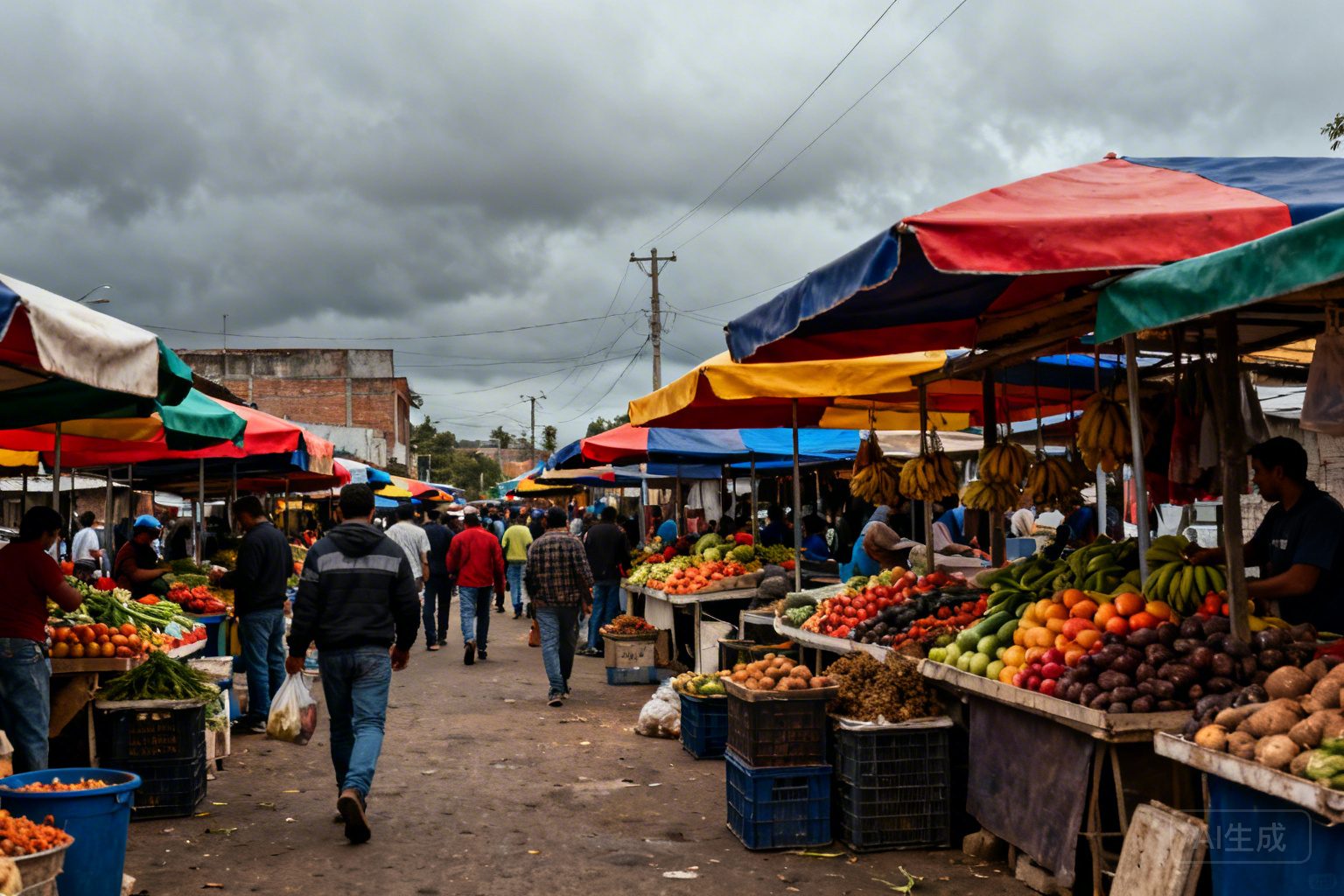
I’ve been sitting in a hole-in-the-wall café in Sopocachi for three months now, watching the clouds scrape the rim of the canyon. If you come to La Paz looking for a sanitized vacation, you’re in the wrong hemisphere. This city is a chaotic, vertical labyrinth that smells like diesel fumes, roasting coffee, and dry mountain air. It’s a place that demands your lung capacity and rewards your curiosity with views that feel like looking out the window of an airplane while your feet are still on the pavement.
Most travelers do the “Witches Market,” ride the cable car once, and bolt for the Salt Flats. They miss the soul of the place. To live here—to actually disappear into the fabric of the Chuquiago Marka—you have to embrace the altitude sickness, the perpetual incline, and the fact that Google Maps is essentially useless because the city exists in three dimensions. You don’t visit La Paz; you survive it until you eventually fall in love with it.
The Logistics of Disappearing
Before we talk about where to hide, let’s talk about how to function. Living here as a digital nomad or a long-term wanderer requires a specific set of survival skills that the blogs don’t tell you.
Connectivity and the WiFi Hunt
Bolivian internet has a reputation for being spotty, but it’s improved. If you’re working, don’t rely on your Airbnb’s “High Speed” claim. It usually means a 10mbps copper connection that dies when it rains. For the fastest, most stable fiber, you head to HB Bronze Coffee Bar in the center or Typica in San Miguel. If you need a dedicated bunker, Cowork Cafe in Sopocachi is the gold standard. A day pass is about 70 Bolivianos ($10), and the backup generators actually work.