The Definitive Manila Travel Guide: Everything You Need to Know!
The Humidity of History
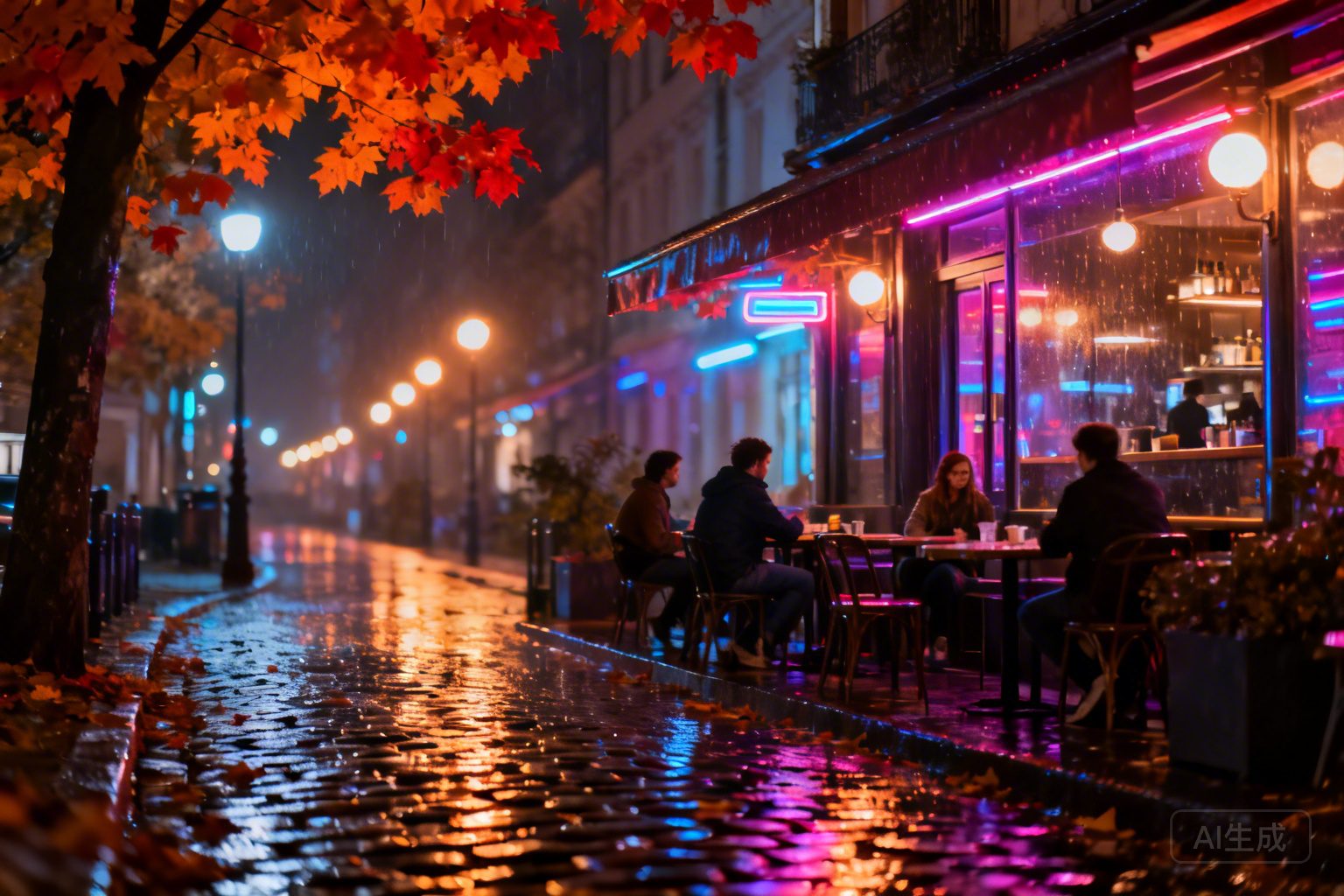
Manila does not greet you; it stickily embraces you. The moment you step through the sliding glass doors of Ninoy Aquino International Airport, the air ceases to be a gas and becomes a solid—a warm, wet towel soaked in aviation fuel and roasted garlic. It is a city that lives in the throat. To understand it, you must first accept that your shirt will never be fully dry and your itinerary will be shredded by the chaotic whims of the EDSA traffic, a legendary gridlock that possesses its own sentient, malevolent gravity. This is not a city of logic. It is a city of layers, a palimpsest of colonial trauma, Catholic fervor, and a relentless, neon-soaked push toward a future that feels like a fever dream.
To see Manila is to witness a grand, beautiful collision. It is the scent of sampaguita garlands—small, waxy white flowers that smell of crushed jasmine and rain—hanging from the rearview mirrors of jeepneys painted in colors that would make a psychedelic painter weep. These vehicles, leftover husks of American military might, are the city’s pulse. They are adorned with chrome horses, airbrushed portraits of the Virgin Mary, and names like “Speedy Gonzales” or “Grace of God.” As they rattle through the streets, the sound is a symphony of loose bolts and diesel growls, punctuated by the high-pitched, rhythmic trill of the barker—the man standing on the rear step, shouting destinations with the speed of an auctioneer on amphetamines.
“Baclaran! Baclaran! Baclaran!” he cries, his voice a gravelly tenor that cuts through the roar of a thousand motorbikes.
Intramuros: The Walled Ghost
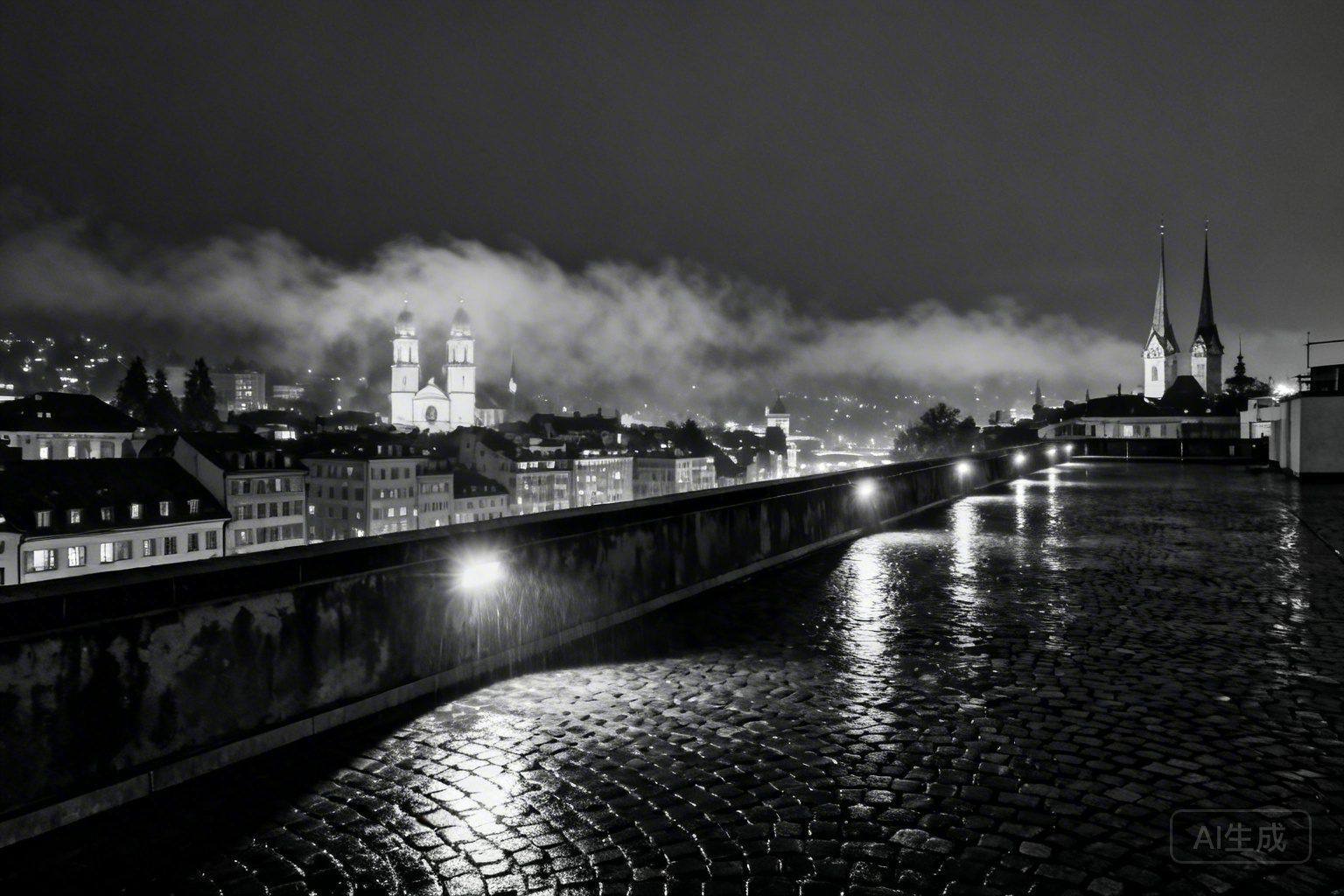
We begin in the shadow of the past. Intramuros, the “Walled City,” is a five-hundred-year-old stone scar on the banks of the Pasig River. Here, the Spanish built a fortress of volcanic tuff and coral, creating a European enclave in the heart of the tropics. Walking these streets is an exercise in sensory archaeology. The cobblestones, or piedra china, are slick with a centuries-old sheen, polished by the soles of friars and revolutionaries. The walls are thick, weeping moss and ferns from their cracks, the stone cool to the touch even when the midday sun is a white-hot hammer against the skull.