The Definitive Naples Travel Guide: Everything You Need to Know!
I. The Arrival: A Collision of Gravity and Grace
To enter Naples is to abandon the sanitized predictability of the modern world. There is no gentle transition here. One does not “arrive” in Naples so much as one is swallowed by it, pulled down through the funnel of the Capodichino hillside into a basin of volcanic stone and laundry-draped shadows. The air hits you first—a thick, saline humidity infused with the scent of high-octane gasoline, roasting Arabica, and the faint, metallic tang of the Mediterranean. It is a sensory assault that demands an immediate surrender of your northern sensibilities.
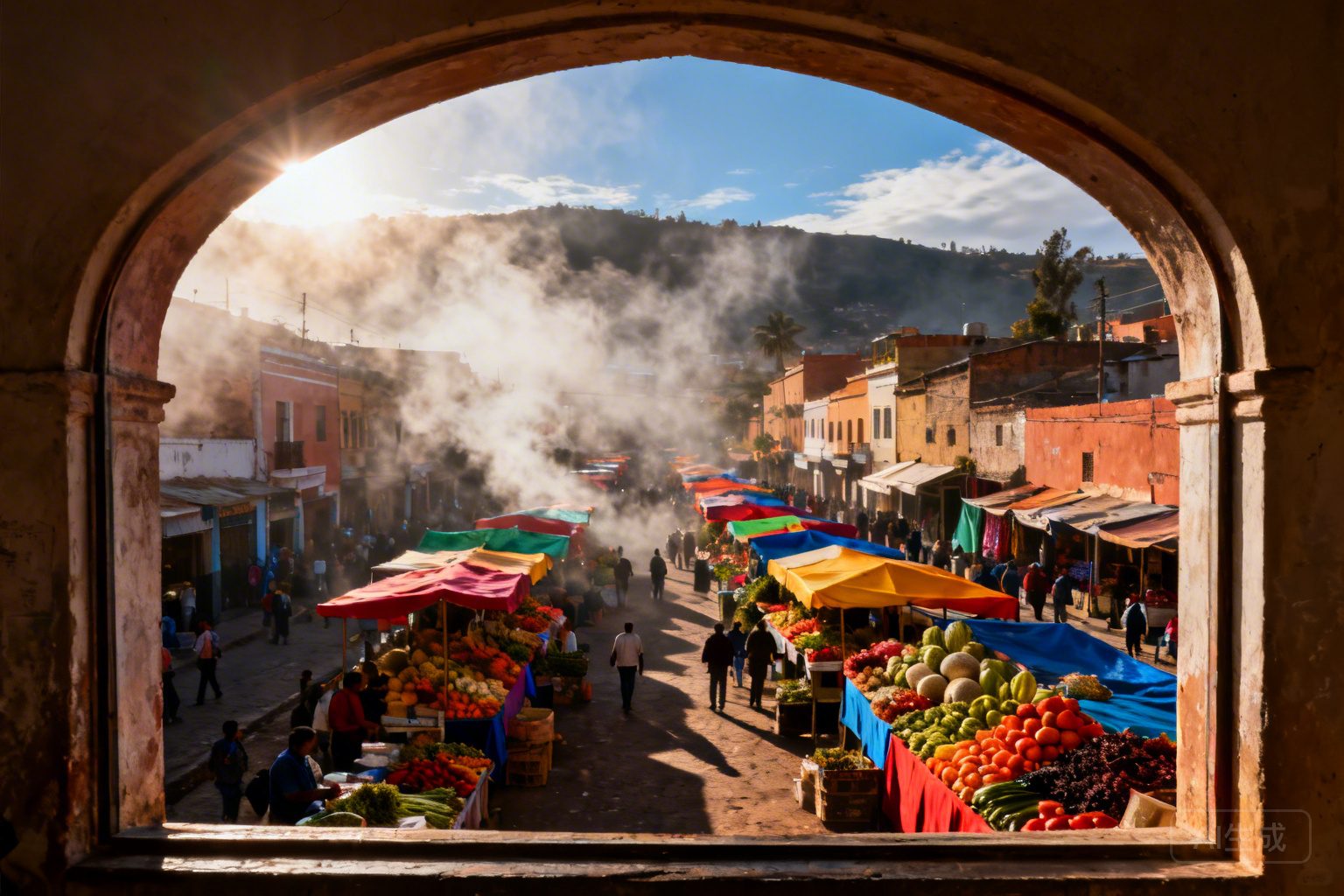
The taxi ride from the airport is a baptism by fire. My driver, a man named Pasquale with skin the color of a cured tobacco leaf and a silver crucifix swinging rhythmically from his rearview mirror, treats the lane markings as mere suggestions—whimsical decorations on the asphalt. He steers with one hand, the other engaged in a fluid, operatic sign language with a vespa rider who has squeezed between us and a looming delivery truck. The city rises to meet us: a vertical labyrinth of ochre, terracotta, and a particular shade of faded “Bourbon red” that seems to peel away in long, satisfying strips, revealing layers of Greek and Roman history beneath the masonry.
The light here is unlike the gold of Tuscany or the silver of Venice. It is a bruised, cinematic violet that settles into the cracks of the palazzi. As we veer toward the Piazza Garibaldi, the sheer density of humanity becomes a physical weight. Here is the first character in our Neapolitan play: the frantic office worker, tie loosened, sweat blooming in dark circles under his arms, clutching a leather briefcase as if it were a life raft, darting through traffic with a suicidal grace that only a local can master.
The Anatomy of the Spaccanapoli
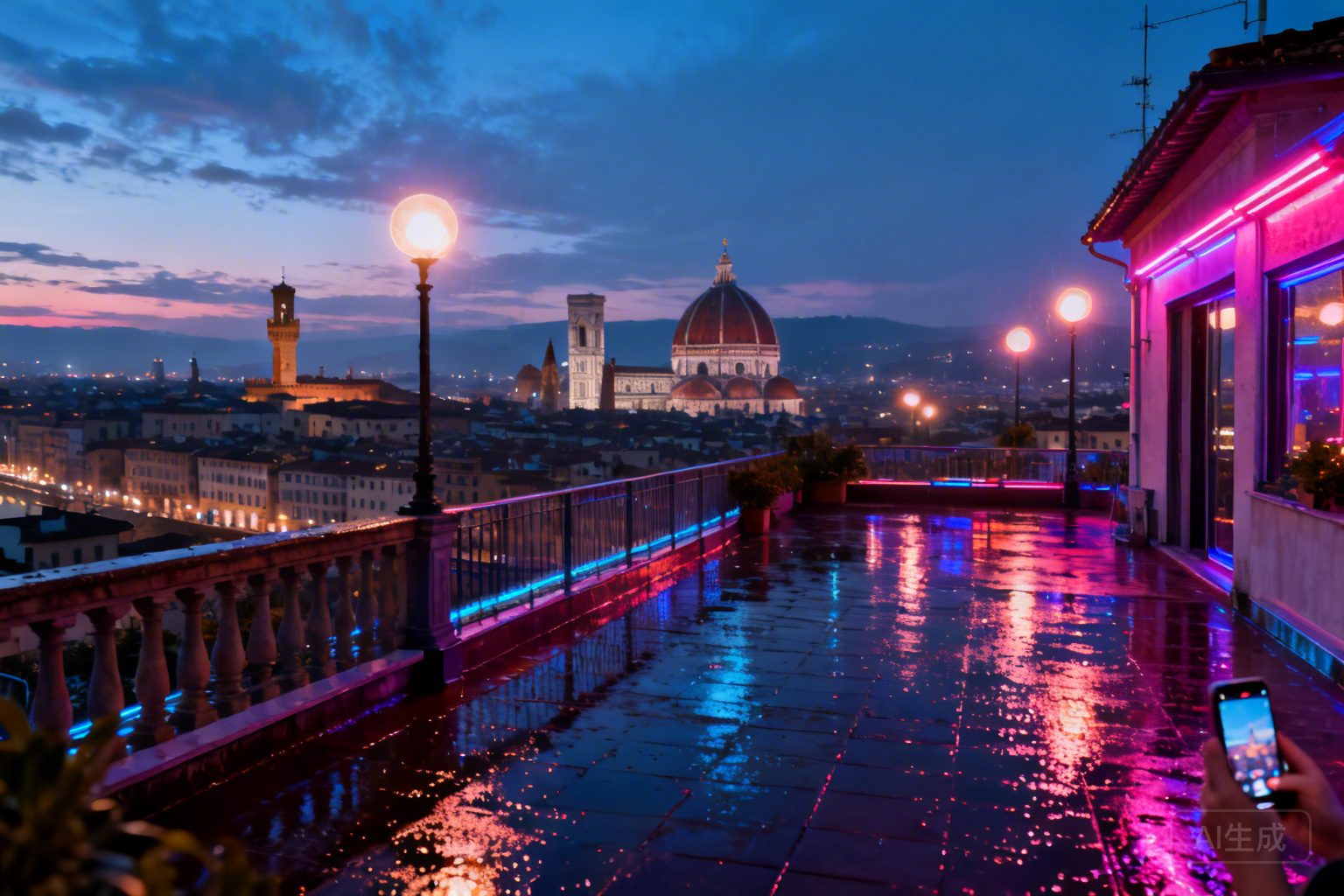
If Naples is a body, the Spaccanapoli is its exposed spine. This long, straight fissure—literally the “Naples splitter”—bisects the historic center with surgical precision. To walk it is to traverse two and a half millennia of urban evolution. The pavement beneath your boots is basolato, massive slabs of volcanic rock polished to a treacherous, glass-like sheen by centuries of footsteps. When it rains, these stones turn into mirrors, reflecting the neon signs of cheap jewelry shops and the flickering votive candles of street-side shrines.