The Definitive St. Lucia Travel Guide: Everything You Need to Know!
The Vertical Empire of Green
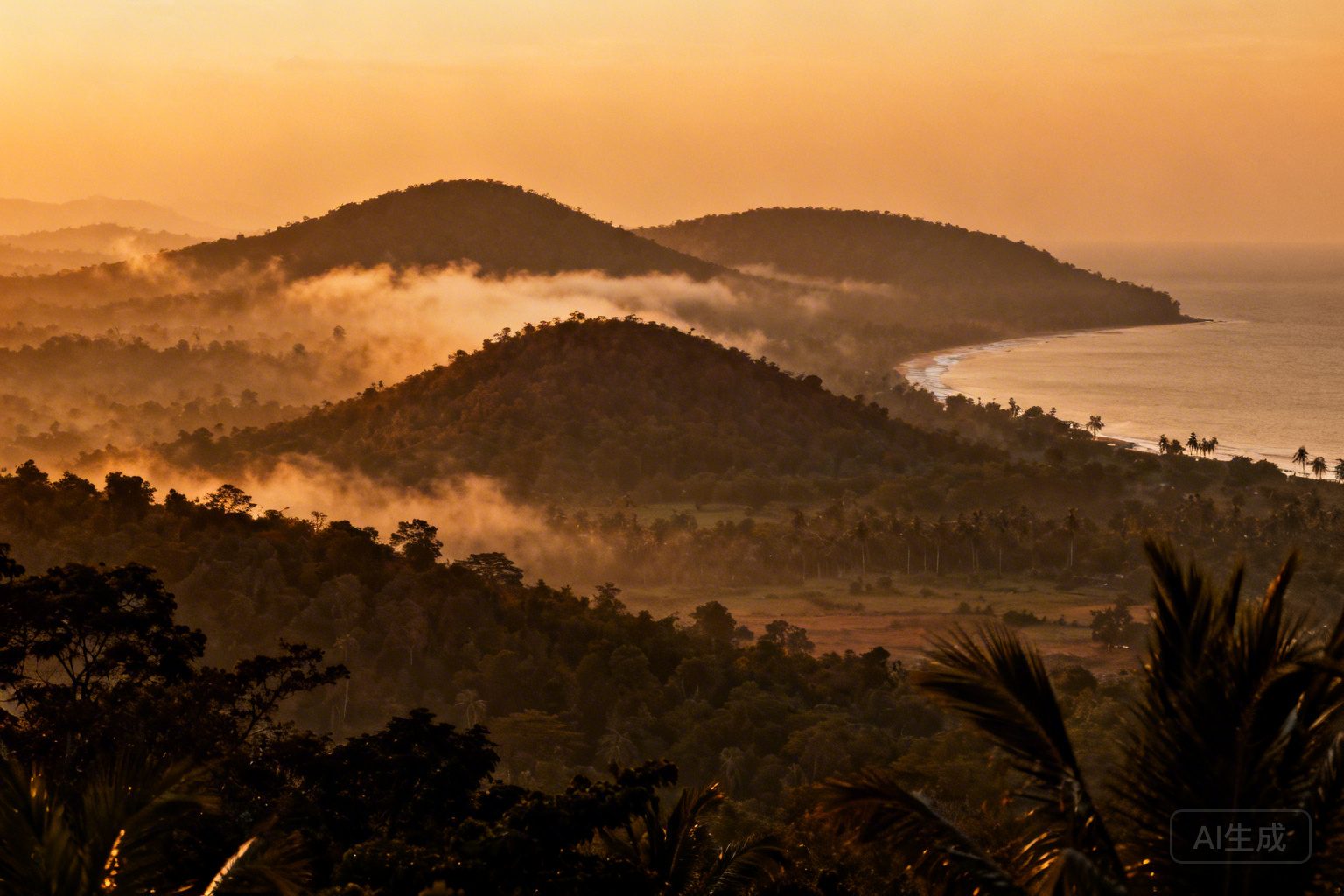
To arrive in St. Lucia is to be reminded that the earth is not a flat plane but a series of violent, vertical ambitions. The plane tips its silver wing, and suddenly, there they are: the Pitons. Gros and Petit. They do not merely sit on the horizon; they erupt from the Caribbean Sea like the moss-covered fangs of a submerged leviathan. From the air, the island is a chaotic tapestry of emerald—a green so deep it feels heavy, as if the chlorophyll itself had weight. This is not the manicured, subservient tropics of a brochure. This is a landscape that demands you sweat for its secrets.
As the cabin door opens at Hewanorra International, the air hits you like a warm, damp towel soaked in sea salt and diesel. It is a thick, tangible medium. You don’t just breathe St. Lucian air; you wear it. The taxi drivers lean against sun-bleached Toyotas, their skin the color of polished mahogany, eyes squinting against a sun that feels closer here than it does in the northern latitudes. One man, whom I’ll call Eustace, gestures toward his van with a flick of a wrist heavy with a gold watch that has long since stopped ticking. He doesn’t ask if I need a ride; he simply opens the door as if my arrival were a foregone conclusion written in the trade winds.
The drive north toward Soufrière is a visceral lesson in centrifugal force. The roads are ribbons of asphalt flung haphazardly across the volcanic spine of the island. Eustace drives with a terrifying, nonchalant grace, one hand on the wheel, the other gesturing toward the flora. He points out the breadfruit trees with their jagged, prehistoric leaves and the “shame-face” plants that curl their fronds at a human touch. We pass a roadside stand where a woman with arms as thick as saplings is hacking the tops off green coconuts. The machete makes a hollow thwack-clink sound, a rhythmic percussion that echoes against the limestone cliffs. The smell of roasting corn and charcoal smoke drifts through the window, mingling with the scent of fermenting cocoa beans drying on wooden trays.
The Ghost of the Pitons and the Sulfur Breath
Soufrière is a town that feels as though it is being slowly reclaimed by the jungle. The architecture is a fraying marriage of French colonial elegance and Caribbean pragmatism. I walk past a 100-year-old door where the turquoise paint is curling into delicate, parched scrolls, revealing the grey, salt-eaten wood beneath. There is a specific pitch to the street vendors here—a melodic, rising inflection in the Kweyol tongue that sounds like birdsong transformed into commerce. “Fresh spice, darling? Nutmeg, mace, the good stuff?” The vowels are elongated, stretched like taffy in the heat.