The Essential Dublin Travel Guide: 48 Hours of Pure Magic!
The Liffey’s Long Shadow: A Prelude to the Pale
Dublin does not reveal itself to the hurried; it is a city of layers, a palimpsest of Viking bone, Georgian brick, and the high-gloss sheen of Silicon Docks tech-hubris. To step off the plane and onto the tarmac at North County Dublin is to be greeted by a wind that doesn’t just blow—it interrogates. It is a damp, salt-flecked gale that smells of low tide and aviation fuel, a bracing reminder that you are on an island anchored at the edge of Europe. This is a city that has been burned, rebuilt, occupied, and liberated, and yet it remains stubbornly, almost aggressively, itself. The air vibrates with the ghosts of Joyce’s “scrupulous meanness” and the neon hum of a modern capital trying to reconcile its poetic soul with its corporate tax rate.
As the taxi skims the edge of the Liffey, the water is the color of a bruised plum. The river divides the city not just geographically, but spiritually. The Northside, with its grit and its grand, decaying O’Connell Street, stares across the dark water at the Southside’s manicured squares and the hushed wealth of Grafton Street. To spend 48 hours here is to navigate these contradictions. It is to find the magic hidden in the peeling paint of a 100-year-old door in Stoneybatter, where the red lacquer is flaking away like sunburnt skin to reveal the honest oak beneath. It is a city of voices—thousands of them—overlapping in a cacophony that sounds less like a conversation and more like a collective prayer for another pint of the black stuff.
Friday: 18:00 – The Velvet Hour
The first hour in Dublin must be spent underground or behind thick mahogany. I find myself at Mulligan’s of Poolbeg Street. This is not a “bar.” It is a chapel dedicated to the slow pour. The walls are a nicotine-stained yellow, a shade that has taken a century of pipe smoke and hushed political scandals to achieve. The waiter—a man named Des with a brow like a furrowed field and a waistcoat that has seen better decades—moves with a brusque efficiency that suggests he has no time for your adjectives. He places the pint on the scarred timber table. The head is a dense, creamy foam, as thick as a cloud over the Wicklow Mountains. You do not drink this Guinness; you inhabit it.
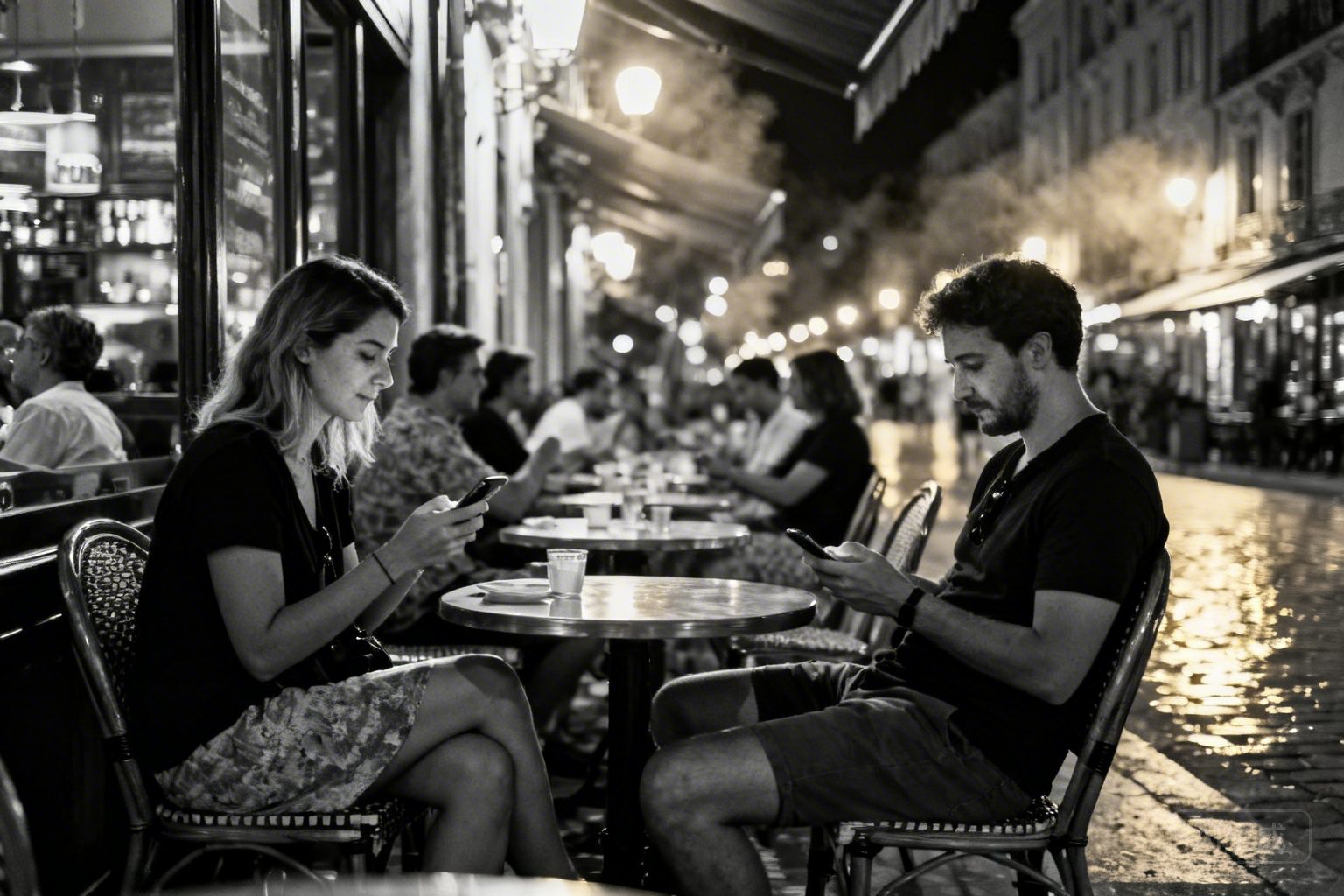
Beside me sits a man who looks as though he were carved from a block of peat. He is silent, nursing a small whiskey, staring at a spot on the wall three inches above the optics. He represents the silent Dublin—the city that remembers the hunger and the hard years. Then, the door swings open, and the silence is shattered by a trio of frantic office workers from the nearby docklands. They are clad in slim-fit navy suits, their faces illuminated by the frantic blue glow of their iPhones, shouting about “deliverables” and “KPIs” in accents that have been sanded down by international schools and corporate retreats. The juxtaposition is jarring. The old man doesn’t blink.