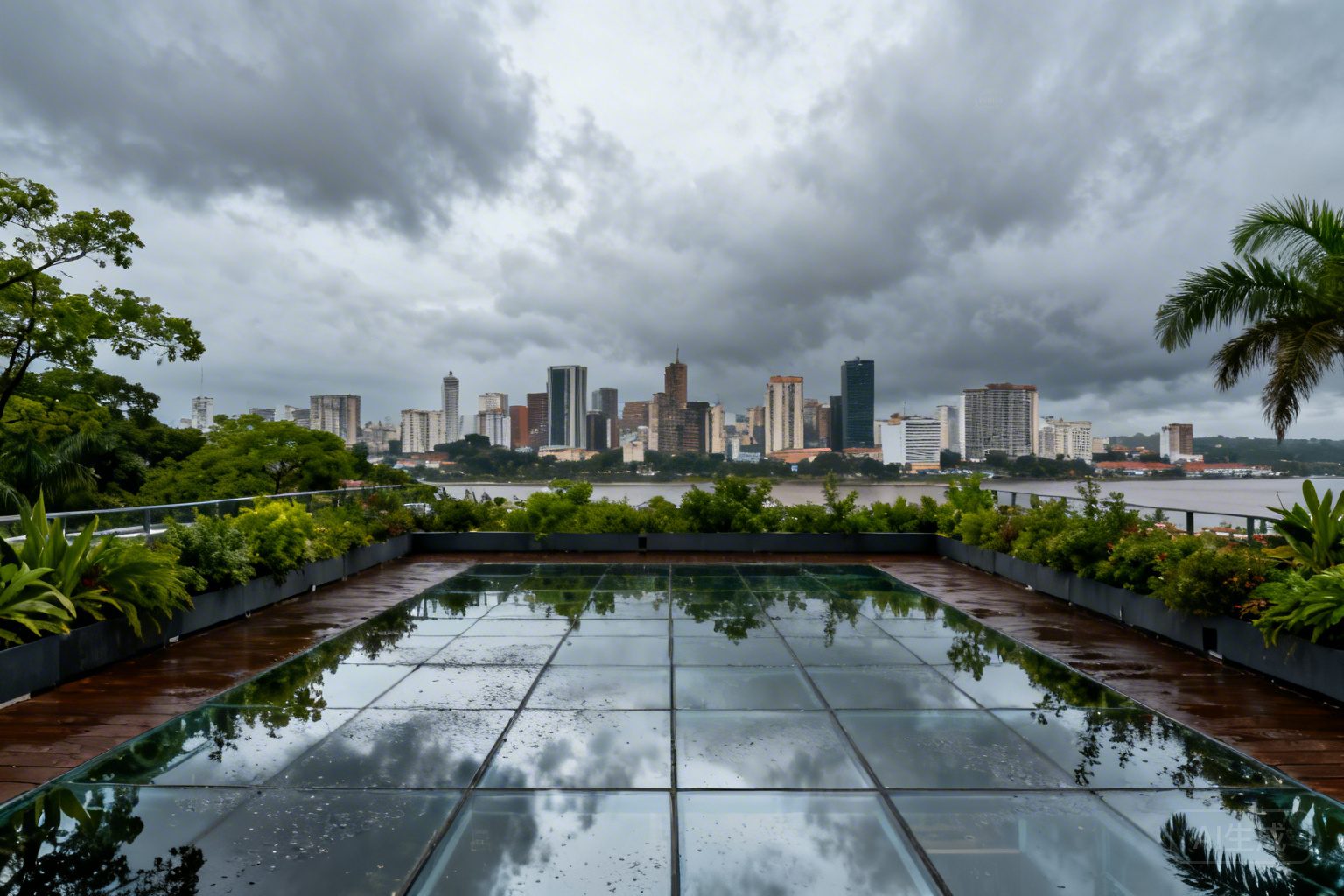
The Essential La Paz Travel Guide: 48 Hours of Pure Magic!
The Vertical Fever Dream: An Arrival
Gravity behaves differently at 11,975 feet. It doesn’t just pull; it clings, a heavy wool blanket draped over the lungs, forcing a rhythmic, deliberate consciousness into every step. To arrive in La Paz is to forfeit the right to a casual breath. You emerge from the pressurized cocoon of the aircraft into the thin, crystalline air of El Alto, and the world immediately sharpens into a high-definition assault on the senses. The sky isn’t just blue; it is a violent, bruised indigo that feels close enough to touch, yet terrifyingly hollow. Below, the city doesn’t merely sit; it spills. It is a masonry cataract of terracotta and sun-bleached brick pouring down the sides of a jagged Andean crater, a geological scar filled with the restless hum of two million souls.
The wind here tastes of diesel, scorched earth, and the faint, sweet ghost of dried coca leaves. It whistles through the gaps of the corrugated iron shacks on the periphery, a sharp, fluting sound that competes with the tectonic rumble of the trufi buses. My driver, a man named Severino with hands the color of polished mahogany and a forehead etched with the deep, horizontal lines of a life lived in a permanent squint, navigates the precipitous descent into the bowl. He drives with a nonchalant disregard for the laws of physics, his rosary swinging in a rhythmic arc against the cracked plastic of the dashboard. “La Paz is not a city,” he mutters, his voice a low gravel rasp as he swerves to avoid a stray dog with the regal bearing of an exiled prince. “It is a mood. And usually, it is a temperamental one.”
He is right. The city is a masterpiece of improbable architecture. Houses cling to 60-degree inclines like barnacles on a listing ship. The paint on the older colonial doors in the Sopocachi district isn’t just fading; it is retreating, peeling back in stiff, brittle curls to reveal the silvered cedar beneath. Here, the history isn’t tucked away in museums; it is layered in the grime of the walls and the defiant tilt of the balconies.
Day 1: The Labyrinth and the Lineage
Morning in the Casco Viejo is a cacophony of choreographed chaos. I find myself standing on a corner where the air is thick with the smell of salteñas—those golden, braided crusts hiding a sea of spicy, gelatinous broth. The street vendors, women of indeterminate age wrapped in vibrant, multi-layered polleras, scream their wares with a specific, haunting pitch. It is a high-pitched, melodic “¡Hay salteñas, hay!” that vibrates in the back of your skull long after you’ve passed.