The Essential Saint Martin Travel Guide: 48 Hours of Pure Magic!
The Essential Saint Martin Travel Guide: 48 Hours of Pure Magic!
The aircraft’s descent into Princess Juliana International Airport is less a landing and more a flirtation with disaster. From the window, the turquoise water of Maho Beach isn’t just a color; it is a physical weight, a thick slab of liquid tanzanite that seems to rise up to meet the landing gear. You can see the individual beads of condensation on the beer bottles of the tourists gathered at the fence, their hair whipped into chaotic halos by the jet blast. The tires kiss the tarmac with a screech that echoes off the scrub-covered hills, and just like that, you are no longer in the sky. You are in the liminal space of Saint Martin, an island that breathes through two sets of lungs—one French, one Dutch, both perpetually breathless.
To arrive here is to enter a fever dream of dualities. On the Dutch side, Sint Maarten, the air smells of diesel and heavy duty-free perfume; it is a place of neon grit and high-stakes commerce. Cross the invisible border into the French Saint-Martin, and the vibration shifts. The scent of salt air is suddenly cut with the buttery, lactic tang of fermenting Brie and the sharp, medicinal sting of wild sage growing along the roadsides. There are no passport checks, only a subtle change in the quality of the light and the sudden appearance of boulangeries that look as though they were airlifted directly from the 6th Arrondissement and dropped into the hibiscus bushes.
Day One: 09:00 – The Marigot Awakening
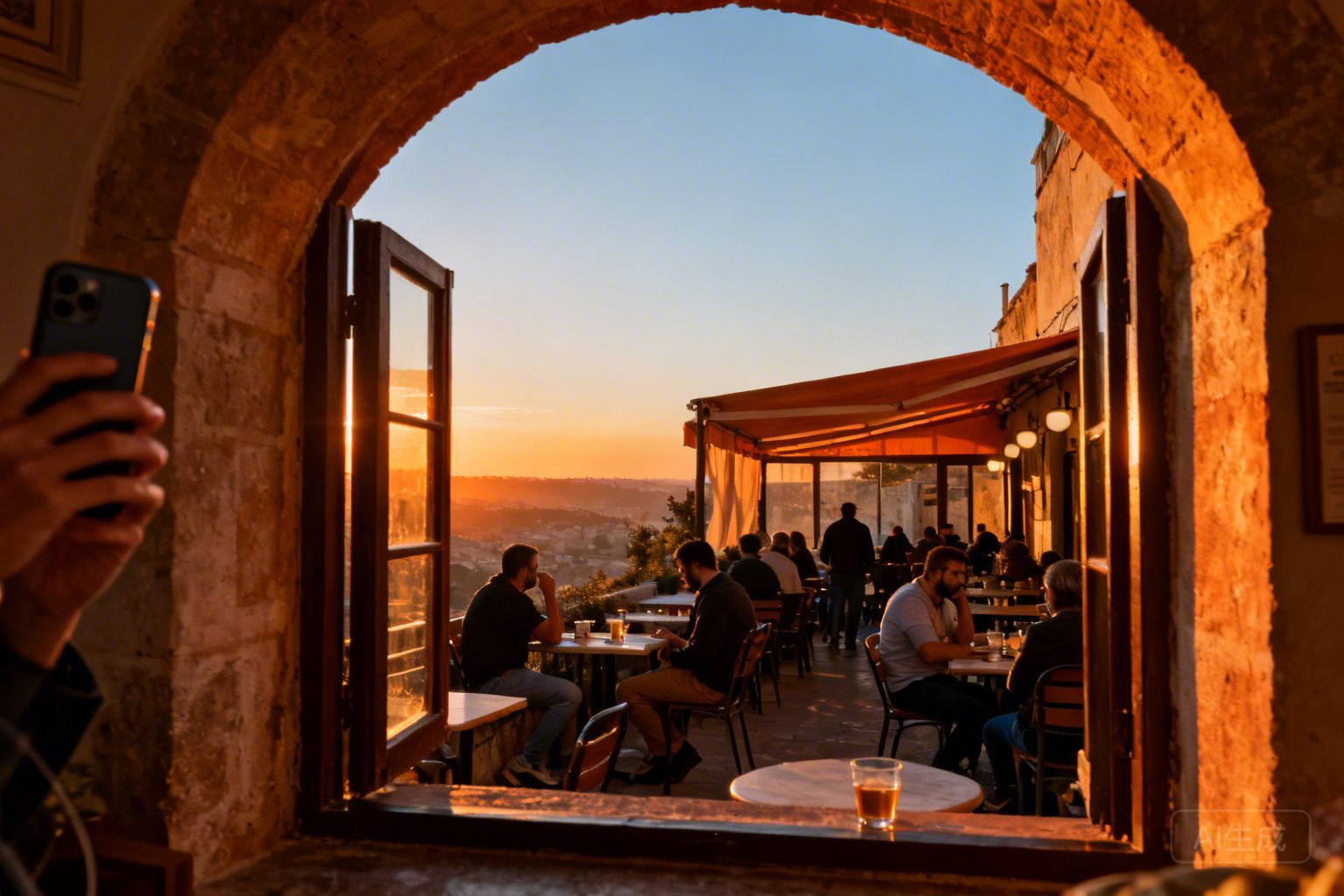
Morning in Marigot, the French capital, is a sensory siege. The harbor water is a milky jade, bobbing with the skeletons of sunken sailboats that never quite recovered from the last great hurricane—their masts poking out like the fingers of a drowning giant. I sit at a small metal table at a café whose name has been scrubbed away by the salt air, leaving only a ghostly outline on the stucco. The table wobbles on the uneven cobblestones, a rhythmic clack-clack that keeps time with the heart.
The waiter is a man named Étienne, whose face is a topographical map of eighty years of Caribbean sun. He is brusque in the way only a man who has mastered the art of the perfect espresso can be. He places the cup down with a sharp clink, the porcelain rim chipped just enough to feel personal. He doesn’t ask if I want sugar. He simply knows I do not.