The Essential Seoul Travel Guide: 48 Hours of Pure Magic!
The Invisible Blueprint: Living Like You Belong Here
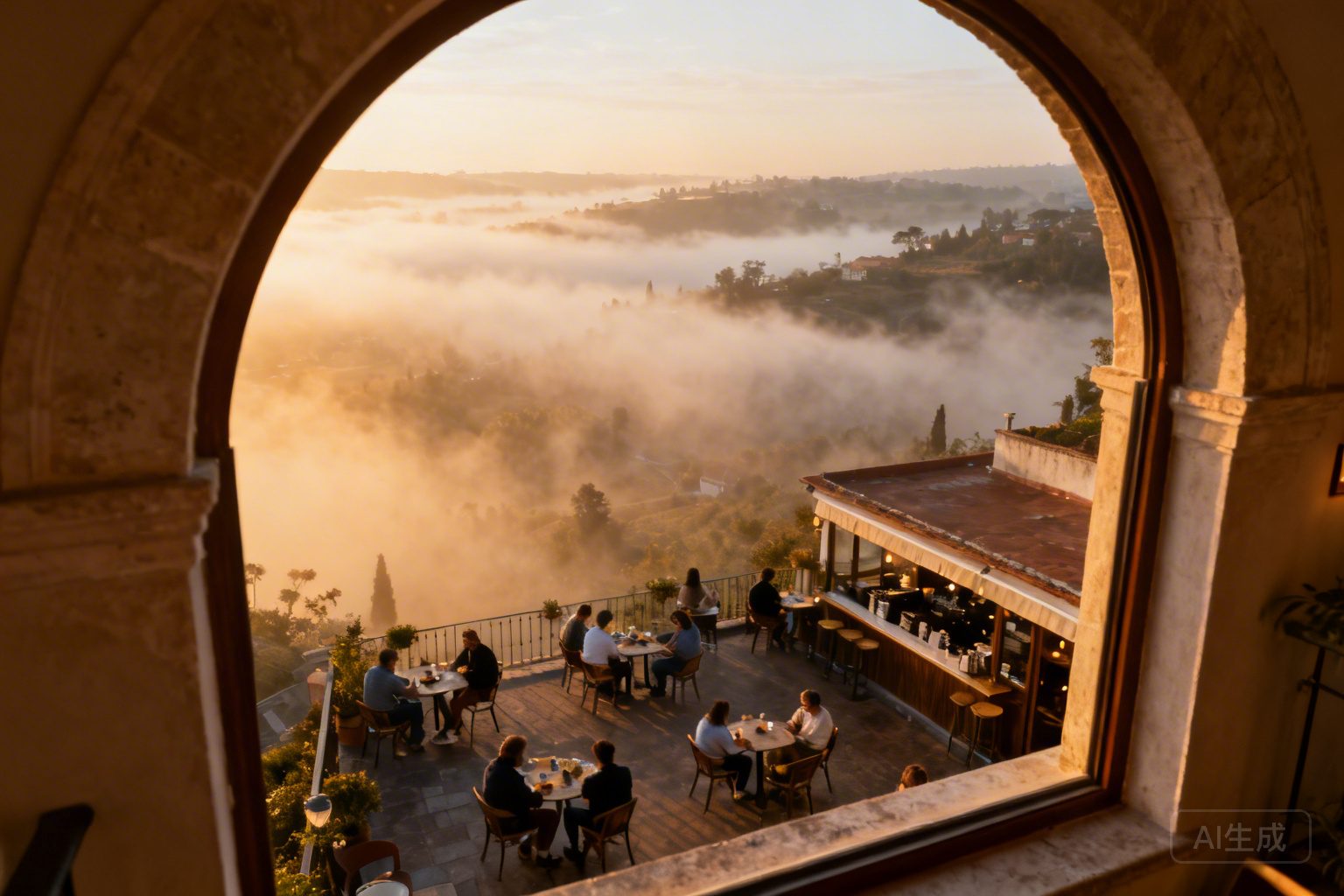
Most people come to Seoul and stay in Myeongdong because some generic blog told them it’s the “heart” of the city. If you want to feel like a permanent tourist surrounded by cardboard cutouts and overpriced street food, go ahead. But if you’re reading this, you’re likely looking for the exit sign. You want to disappear into the gray-blue morning mist of the Han River and reappear three days later with a slight caffeine addiction and a favorite brand of convenience store kimbap.
I’ve been living out of a suitcase in this city for four months. My skin has changed from the humidity, my walk has synchronized with the rhythm of the subway doors, and I’ve learned that the real Seoul isn’t found at the N Seoul Tower. It’s found in the unglamorous mechanics of daily life. Before we get into the 48-hour sprint, let’s talk about the gear you need to survive as a ghost in the machine.
The Life Mechanics: Data, Laundry, and Survival
You can’t disappear if you’re tethered to a slow connection. The fastest WiFi in the city isn’t in a Starbucks. Look for a chain called A Twosome Place—specifically the multi-story branches in university areas like Sinchon. They have dedicated “study zones” where the fiber-optic speeds clock in at 500mbps+. It’s where the locals go when they need to grind. If you need a “deep work” sanctuary, head to Chaegeuro near Mapo. It’s a bookstore-cafe overlooking the river. The WiFi is stable, the silence is enforced, and the view of the sunset over the water is free.
Laundry is the nomad’s greatest hurdle. Skip the hotel dry cleaning. Find a WashEnjoy or a Coin Wash 24. I frequent one in a back alley of Yeonnam-dong. It costs about 4,500 KRW ($3.50) for a wash and another 4,000 for a high-heat dry. There’s a specific ritual here: you don’t leave your clothes unattended for long, but you can definitely step out for a coffee. The local shopkeeper at my regular spot, an elderly woman who everyone calls “Imo” (Auntie), once saw me struggling with the detergent vending machine. She didn’t speak a word of English, but she slapped my hand away, showed me the exact button for “Eco-Cold,” and handed me a singular piece of hard candy. That candy is the secret currency of Seoul; accept it with a slight bow.