The Essential Split Travel Guide: 48 Hours of Pure Magic!
The White Stone Labyrinth: A Prelude at Dusk
The Riva is not a promenade; it is a stage. As the sun dips behind the humped silhouette of Marjan Hill, casting a bruised violet light across the Adriatic, the limestone paving stones of Split begin to glow with a pale, phosphorescent heat. They have been polished by two millennia of leather soles, sandals, and the frantic hooves of Roman garrisons until they possess the sheen of hand-rubbed silk. To step onto the Riva at 7:00 PM is to enter a synchronized ballet of the đir—the traditional Croatian stroll where seeing and being seen is a civic duty as vital as oxygen.
The air here smells of contradictory things: the sharp, ozonic tang of salt spray crashing against the pier, the heavy, saccharine scent of overripe figs from the market stalls, and the faint, acrid bite of diesel from the ferries bound for Hvar and Vis. A breeze, the Maestral, curls around the corner of the harbor, dropping the temperature by exactly three degrees and carrying the sound of a distant accordion. It is a city of layers, a palimpsest where the 4th century bleeds into the 21st, and the transition is never clean.
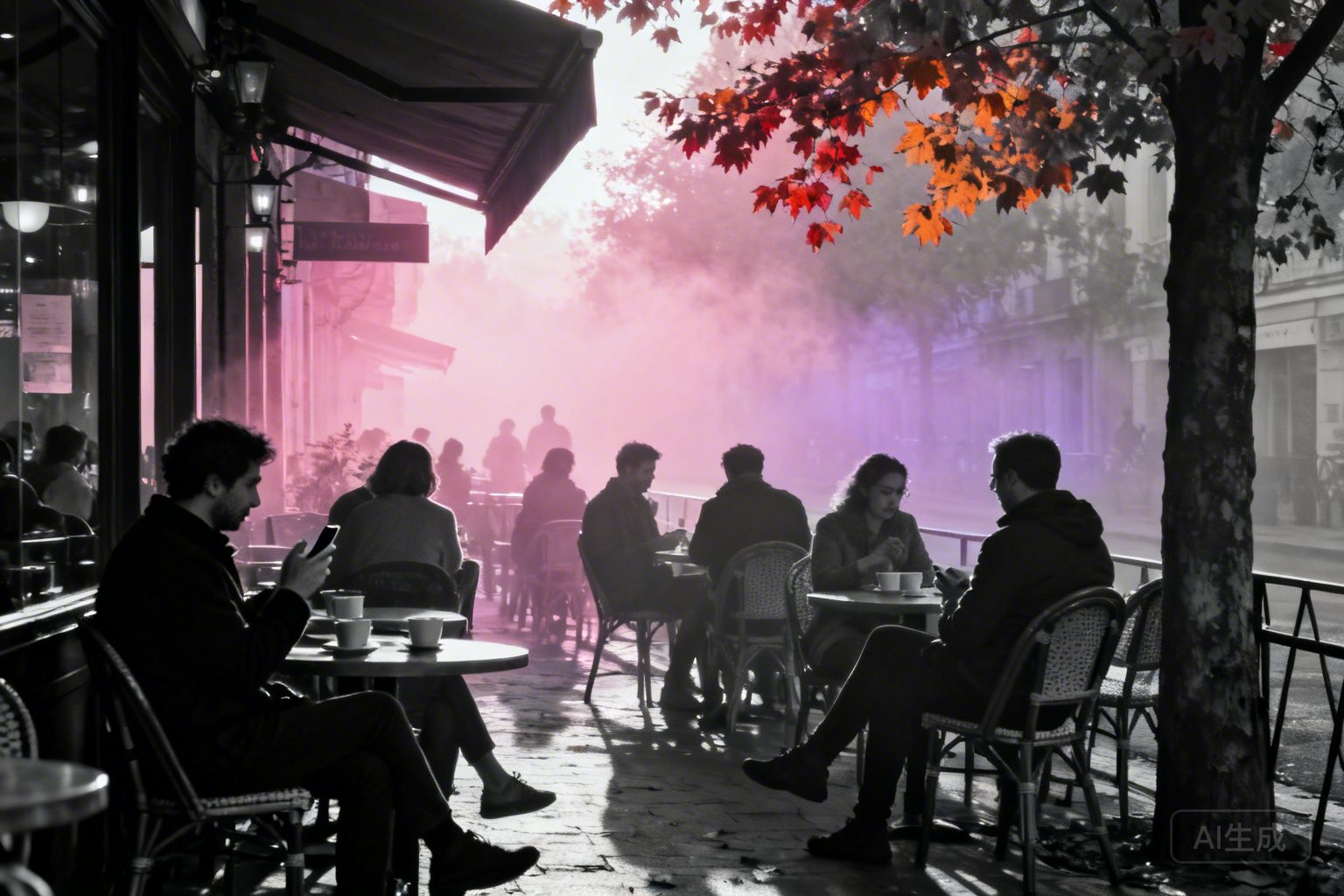
I watch a waiter at a frontline café—let’s call him Dragan. He is a man of sixty with skin the color of a well-oiled baseball glove and a spine so stiff it suggests he might be concealing a sword. He moves with a deceptive, lethargic grace, balancing a silver tray laden with ožujsko beers and tiny cups of espresso that look like ink. He does not smile. In Split, service is not an act of subservience; it is a negotiation. He eyes a group of frantic German tourists with a look of weary tolerance, his thumb tracing the chipped rim of his tray, a silent judge of the world’s impatient rhythms.
Hour 1–12: The Emperor’s Living Room
To understand Split, you must understand that people do not merely visit Diocletian’s Palace; they inhabit its arteries. Built as a retirement home for a Roman Emperor who had grown weary of the world’s weight, the Palace has no gates that stay closed. It is a skeleton of a fortress that the locals have filled with flesh and blood. You walk through the Bronze Gate and suddenly, the ceiling vanishes, replaced by a vault of stars and the towering, soot-stained columns of the Peristyle.