The Forbidden Guide to Agra: 5 Places Most Tourists Are Afraid to Visit!
The Scars of the Living City: A Descent Beyond the Marble
Agra is a city of ghosts, but not the kind that rattle chains in the attic. It is haunted by the crushing weight of its own iconography. Every morning, the sun pulls itself over the horizon, bleeding a bruised purple across the Yamuna River, and the pilgrimage begins. Ten thousand pairs of sneakers shuffle toward the Taj Mahal, eyes fixed on the white marble as if it were the only thing keeping the earth from spinning off its axis. They see the tomb. They see the postcard. They see the symmetry. Then, they leave, retreating to the air-conditioned sterility of luxury coaches, convinced they have seen Agra.
They have seen nothing. They have seen the crown, but they have ignored the scarred, pulsing body beneath it. To truly see Agra—to feel the grit of its history beneath your fingernails and the salt of its sweat on your tongue—one must turn their back on the ivory dome. One must walk where the tour guides refuse to go, into the narrow veins of the city where the air tastes of cardamom, diesel, and centuries-old dust. Most tourists are afraid of these places. They fear the chaos, the decay, and the uncomfortable proximity of a past that refuses to stay buried. But for those who crave the cinematic reality of a city that refuses to be a museum, these five locations are the true pulse of the Mughal heartland.
1. The Labyrinths of Rawatpara: Where Spice Meets Iron
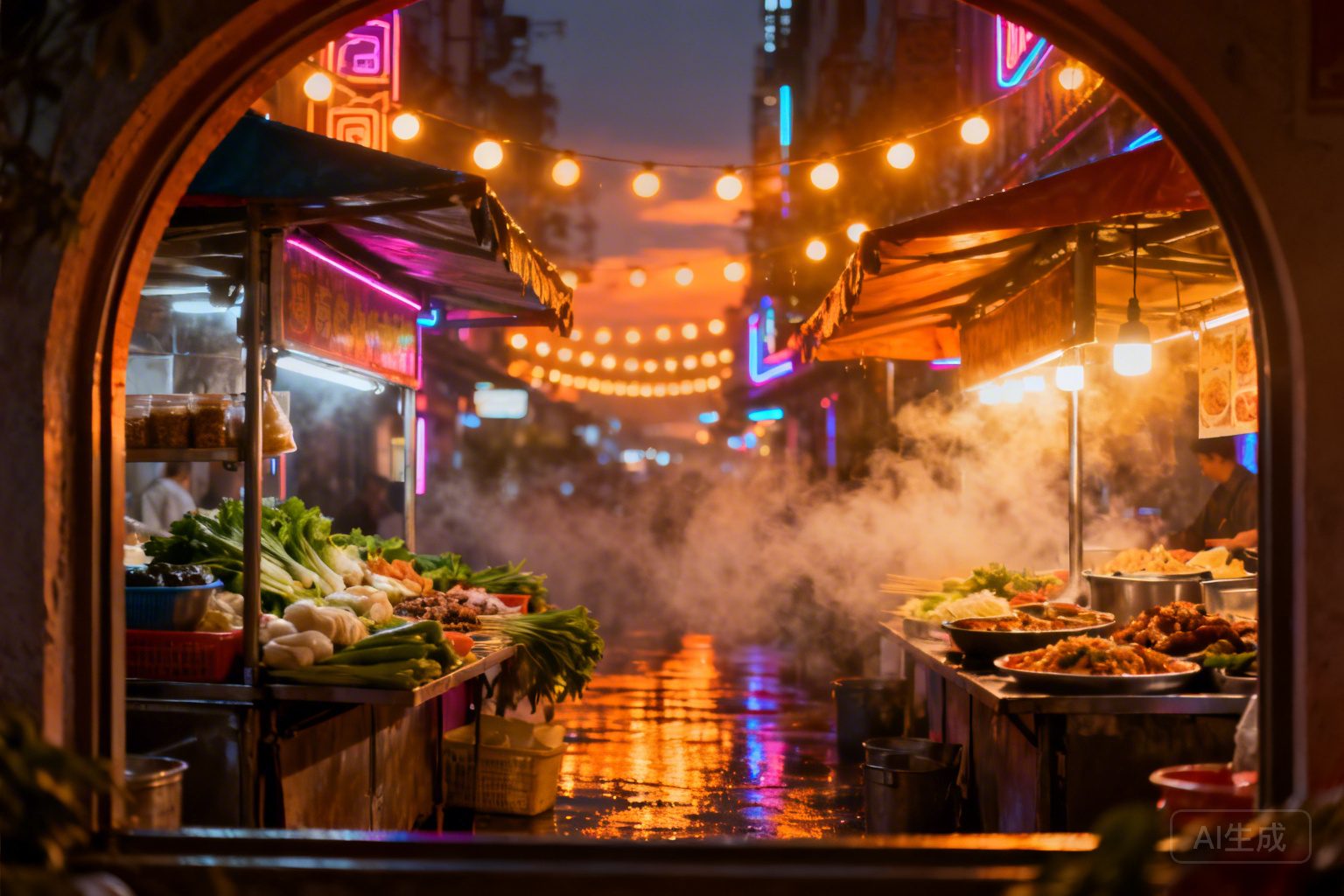
To enter Rawatpara is to experience a sensory assault so profound it borders on the spiritual. The air is not a gas here; it is a solid. It is thick with the pulverized dust of red chilies that catches in the back of your throat like a physical hook. I watched a porter, his spine curved into a permanent question mark under the weight of a hundred-pound jute sack, navigate the alleyways with a rhythmic, heavy-footed grace. His skin was the color of weathered teak, polished by decades of friction and humidity. He didn’t look at the traffic; he felt it.
The architecture here is a crumbling testament to a time when wealth was measured in spice and steel. I ran my hand along a door frame in a side alley—a massive slab of Himalayan cedar, silvered by age, its intricate carvings choked by layers of peeling turquoise paint. The paint didn’t flake; it curled like dried skin, revealing a dozen previous lives beneath. This is where the city’s commerce is stripped of its digital veneer. There are no credit card machines here. There is only the clink of metal, the rustle of paper ledgers, and the sharp, rhythmic *thwack* of a butcher’s cleaver hitting a block of scarred wood.