The Forbidden Guide to Beijing: 5 Places Most Tourists Are Afraid to Visit!
The Ghost in the Machine: Navigating the Veins of the Northern Capital
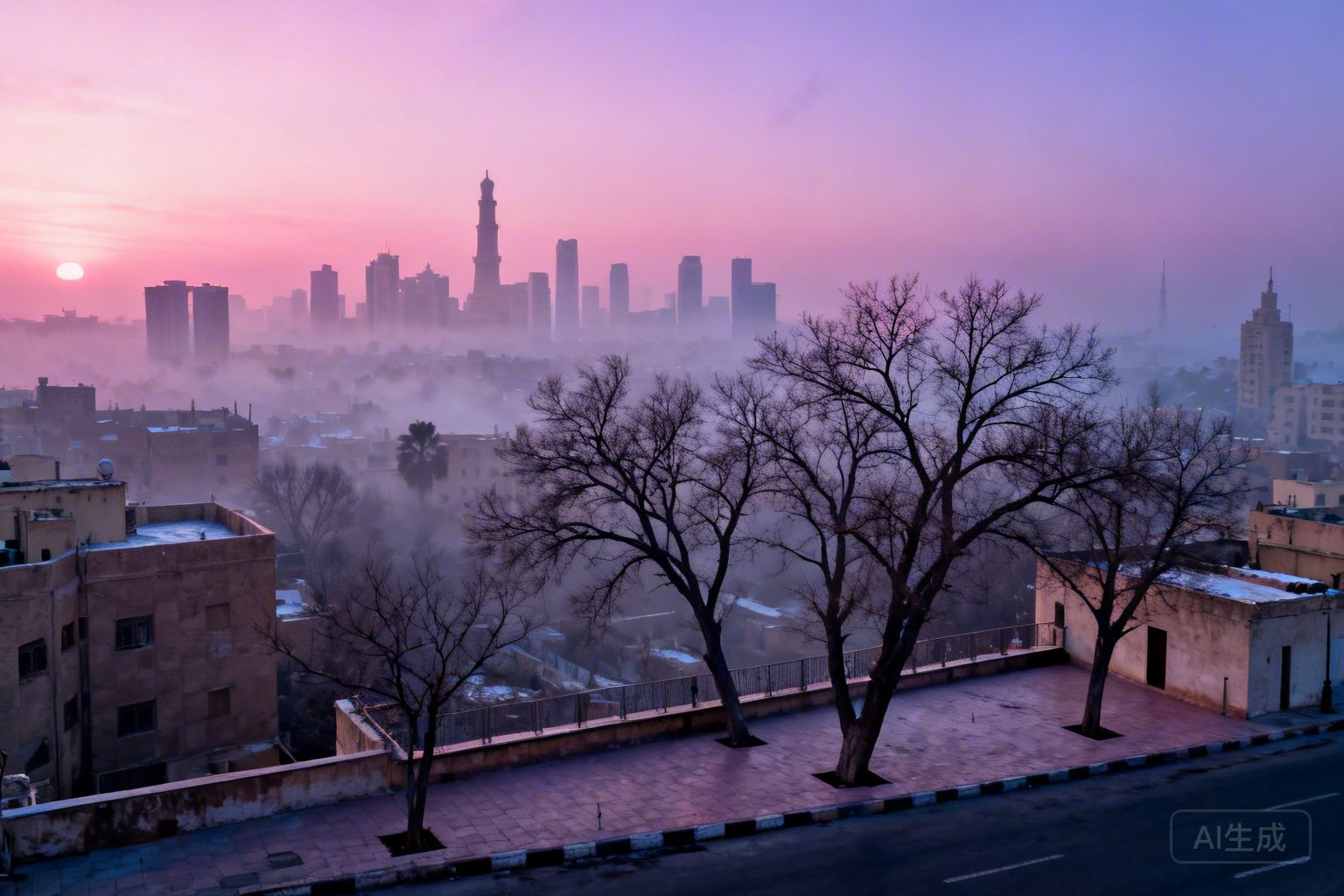
Beijing does not greet you; it confronts you. It is a city built on the geometry of power, a series of concentric squares that radiate outward from a silent, crimson heart. Most visitors stay within the lines. They photograph the polished marble of the Forbidden City, they eat the lacquered skin of a roast duck in a neon-lit dining hall, and they depart believing they have seen the Middle Kingdom. They have seen the mask. But there is a version of this city that exists in the shadows of the high-rises—a gritty, pulsating, and occasionally terrifying metropolis that breathes through cracked masonry and coal smoke.
To find it, you must be willing to lose your sense of direction and your sense of safety. You must embrace the “forbidden” in its most literal sense: the places that make the pulse quicken and the skin prickle with the weight of centuries. The wind here, a biting, dry gale born in the Gobi Desert, carries the scent of ancient dust and burnt offerings. It whistles through the eaves of the hutongs like a flute made of bone.
1. The Subterranean Silence: Dixia Cheng (The Underground City)
In the late 1960s, Chairman Mao, gripped by the fever of the Cold War and the looming threat of Soviet nuclear strikes, issued a directive: “Dig deep holes, store grain, and prepare for war.” What followed was a feat of manic subterranean engineering. Thousands of citizens—from schoolteachers to factory laborers—hollowed out the earth beneath the capital’s foundation. They created a dark mirror of the city above.
Entering the access points today feels like a descent into a collective nightmare. The air changes instantly; it becomes heavy, tasting of wet chalk and oxidized iron. The light is a sickly, institutional yellow, flickering from bare bulbs that seem to struggle against the claustrophobic weight of the ceiling. This is not a tourist attraction; it is a bunker of the mind. The walls are rough-hewn, the marks of hand-picks still visible in the grey concrete, as if the desperation of the workers had been frozen in time.