The Forbidden Guide to Casablanca: 5 Places Most Tourists Are Afraid to Visit!
The Ghost of the White City
Most people land at Mohammed V International, scramble into a taxi, and demand to be taken to the Hassan II Mosque. They take their photos of the marble, they walk the Corniche, they eat a mediocre tagine at a place with English menus, and they leave thinking Casablanca is just a dusty, chaotic transit hub. They call it “gritty” and “unwelcoming.” Good. Let them think that. It keeps the real city for those of us who don’t mind a bit of soot under our fingernails.
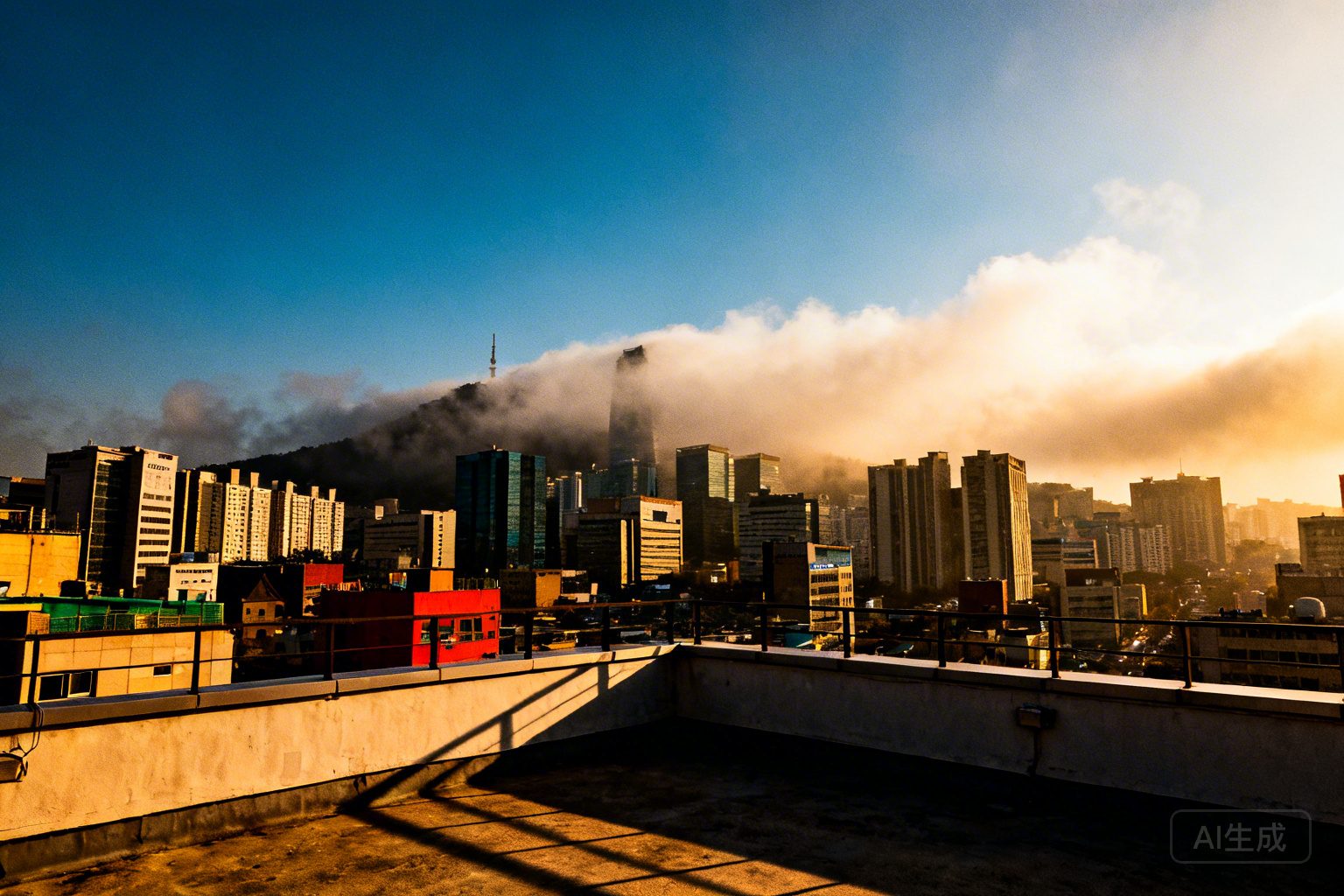
I’ve been living here for six months now. I didn’t come here to be a tourist; I came here to disappear. Casablanca isn’t Marrakech. It doesn’t want to hold your hand. It’s a brutalist, Art Deco, sprawling monster of a city that smells like diesel, Atlantic salt, and roasting coffee. If you want to actually live here, you have to stop looking for “sights” and start looking for patterns. You have to learn the art of the derb (alleyway) and the silence of the 14th-floor apartment block.
If you’re looking for a guidebook, go to a gift shop. If you want to know where the pulse of the city actually beats—in the places where the “Grand Taxi” drivers won’t even take you unless you speak Darija—then keep reading. This is the stuff they don’t put in the brochures because it isn’t “pretty.” It’s just real.
1. Derb Sultan: The Heart of the Beast
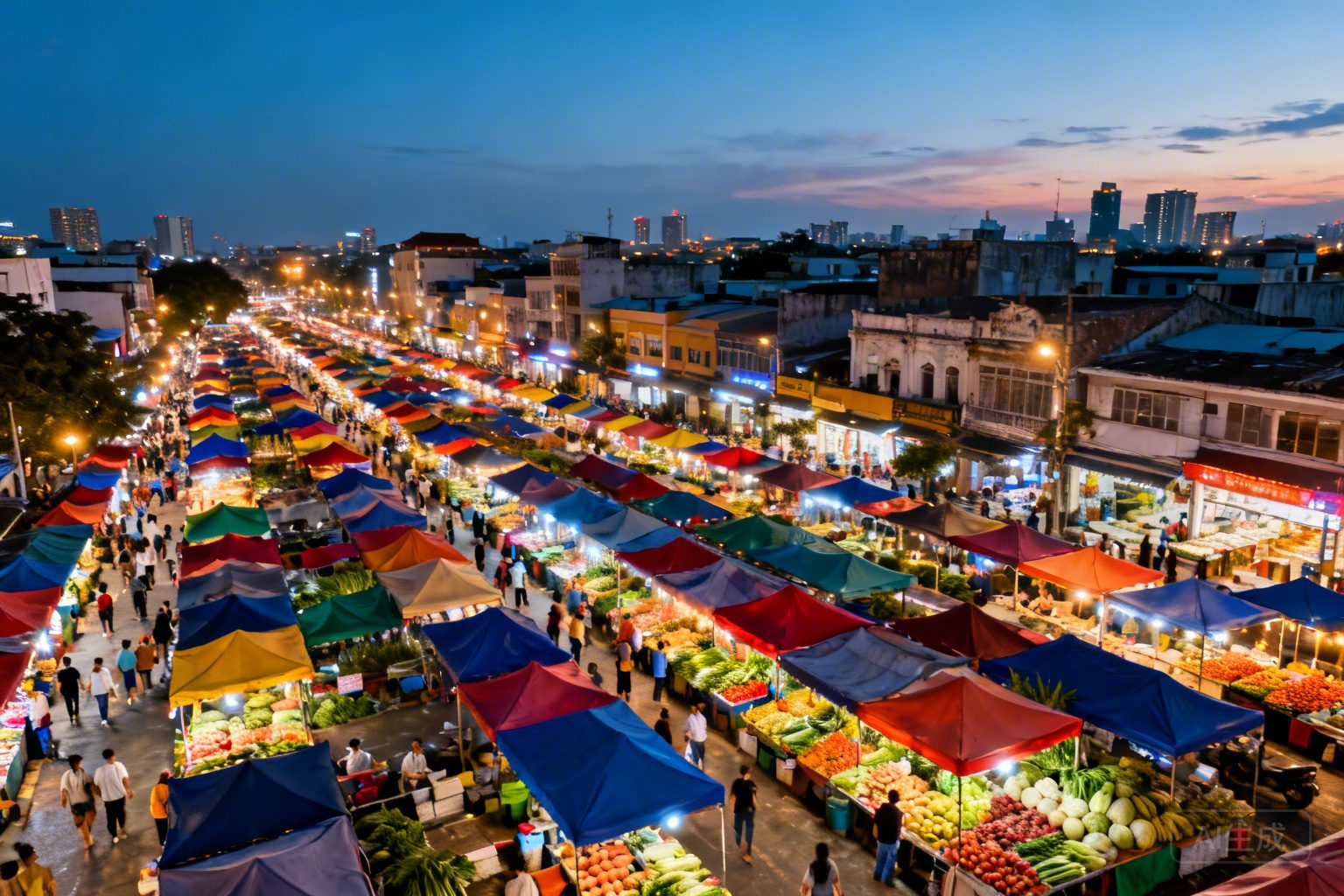
If Casablanca has a soul, it’s in Derb Sultan. This isn’t the sanitized “Old Medina” where they sell overpriced leather poufs. This is one of the oldest and most populous neighborhoods in the city. Most tourists are terrified of it because it’s loud, crowded, and looks like a labyrinth designed by someone who hated maps. But if you want to understand the Moroccan working class, you have to walk these streets.