The Forbidden Guide to Dar es Salaam: 5 Places Most Tourists Are Afraid to Visit!
The Salt-Stained Threshold: Beyond the Postcard
The humidity in Dar es Salaam is not a weather condition; it is a physical weight, a wet wool blanket thrown over your shoulders the moment you step off the gangplank or out of the pressurized sterility of Julius Nyerere International. Most visitors—the safari-bound throngs with their crisp, unworn khakis and expensive telephoto lenses—treat this city as a transit lounge. They stay in the glass-and-steel fortresses of the Masaki Peninsula, sipping imported gin while looking out over the Indian Ocean, safely insulated from the “real” city by electric fences and tinted windows. They have been told that Dar is a place to be managed, a gauntlet of chaos to be endured before the Serengeti or Zanzibar offers its curated solace.
They are wrong. They are missing the pulse. To truly see Dar es Salaam—the “Abode of Peace” that is anything but peaceful—is to venture into the spaces the concierge won’t mention. It is to find the beauty in the decay, the rhythm in the riot. The air here tastes of diesel, sea salt, roasted maize, and a century of unrecorded history. It is a city of ghosts and hustlers, where 19th-century German masonry crumbles beneath the relentless creep of tropical vines, and where the most profound truths are whispered in the shade of a baobab or over a chipped cup of ginger coffee.
I. Kivukoni: The Blood-Slicked Dawn
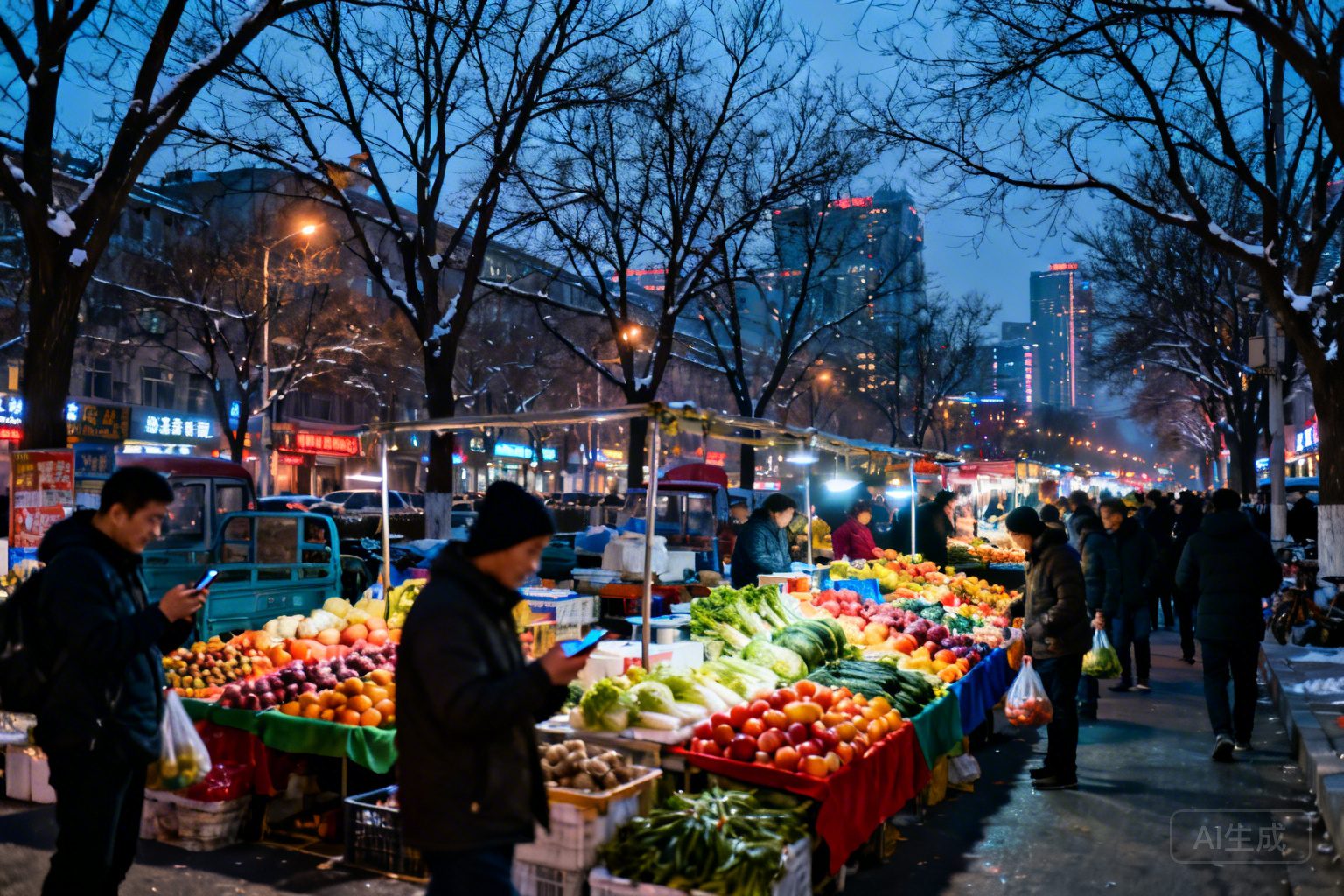
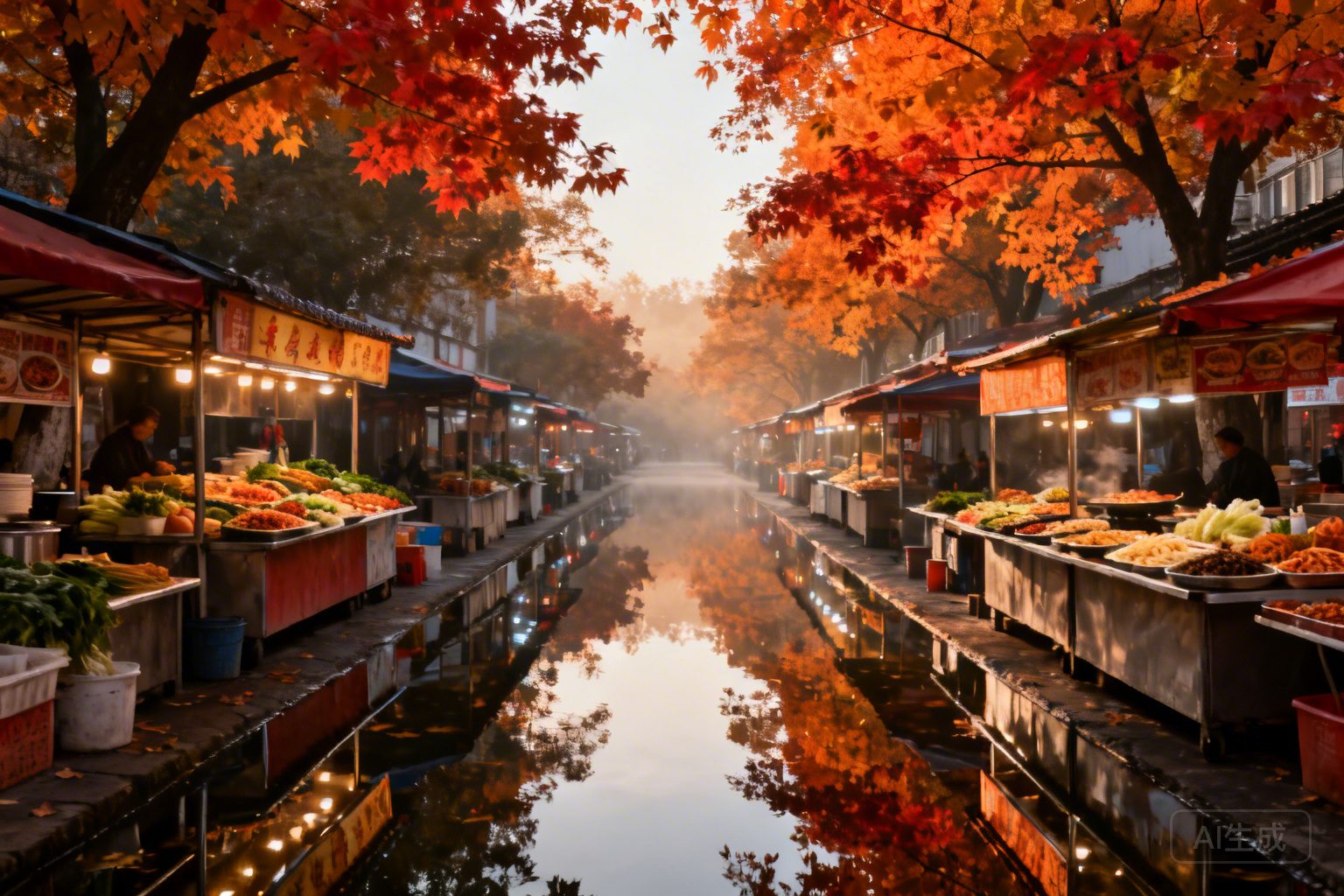
At 5:30 AM, the sky over the Kivukoni Fish Market is the color of a fresh bruise—deep purples fading into an angry, inflamed orange. Most tourists avoid this place because of the smell. It is an olfactory assault, a concentrated essence of the ocean’s bounty and its subsequent rot. But to skip Kivukoni is to ignore the city’s heart. The ground is a slick mosaic of fish scales and harbor mud, treacherous and shimmering under the flickering yellow glare of bare lightbulbs.
Here, the Mama Ntilie—the formidable women who run the open-air kitchens—are the undisputed queens. One woman, her head wrapped in a vibrant indigo kanga that has seen better decades, stirs a vat of boiling oil with a rhythmic ferocity. Her face is a map of deep-set lines, a testament to forty years of breathing woodsmoke. She doesn’t look up as you pass; her world is the sizzle of pweza (octopus) and the precise timing of the doughy mahamri. She is a silent monk of the skillet, her devotion measured in calories provided to the laborers who haul the heavy wooden dhows onto the sand.