The Forbidden Guide to Lima: 5 Places Most Tourists Are Afraid to Visit!
The Bruised Heart of the Kings
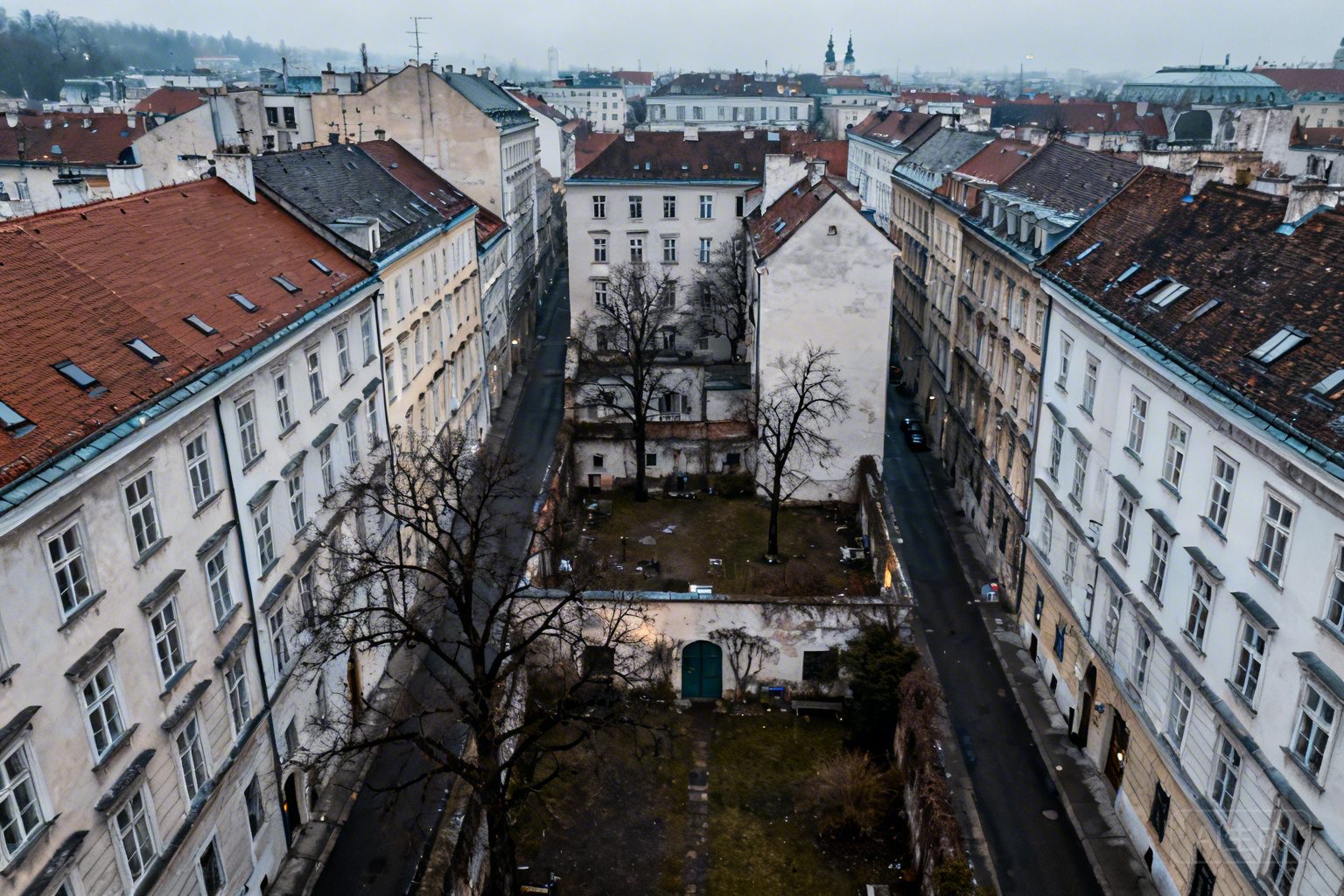
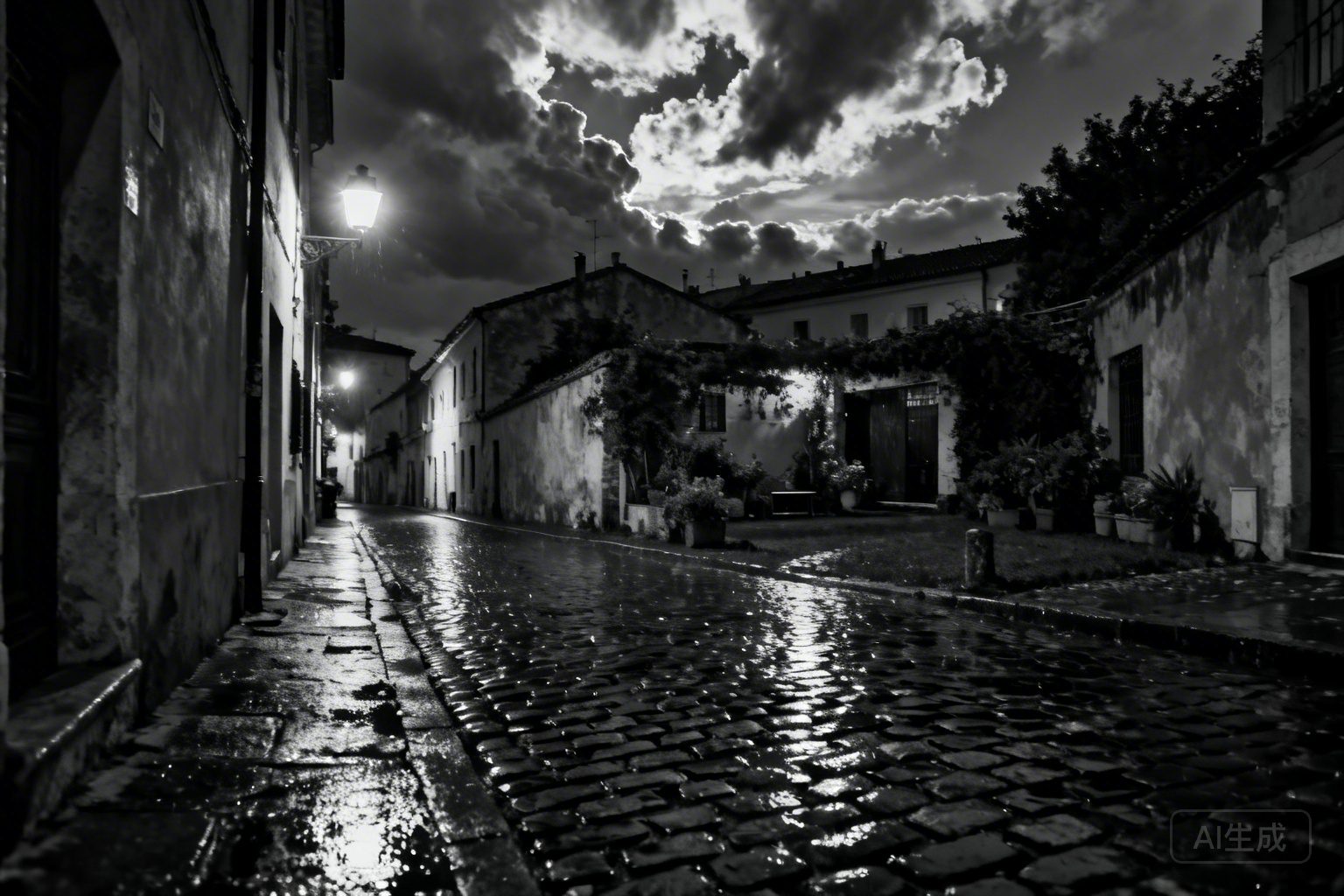
The Pacific Ocean does not wave at Lima; it exhales a grey, heavy breath that clings to the limestone like a damp shroud. They call it La Garúa—a mist so fine it isn’t rain, yet so persistent it turns the air into a cold, wet sponge. Most visitors retreat to the glass-and-steel safety of Miraflores or the bohemian curated decay of Barranco, where the pisco sours are frothy and the fears are nonexistent. But Lima is a city of layers, a palimpsest of colonial arrogance, seismic trauma, and a relentless, pulsing hunger that exists only in the shadows of its grandest monuments.
I am standing at the edge of the Rimac river, watching the water churn like liquid concrete. To my back is the Presidential Palace, where guards in gold-braided uniforms stand as stiff as wax figurines. Ahead is the bridge—the Puente de Piedra—built in 1608 with thousands of egg whites mixed into the mortar to give it strength. It leads to the “other” side. The side where the tourists’ maps usually end in a vague, cautionary white space.
To know Lima is to touch its scars. You have to walk toward the places the hotel concierge warned you about with a nervous, practiced twitch of his lip. You have to smell the burnt sugar, the diesel, and the ancient dust of the huacas. This is the forbidden guide to the city that refuses to be tamed.
1. El Rímac: The Cradle of the Shadows
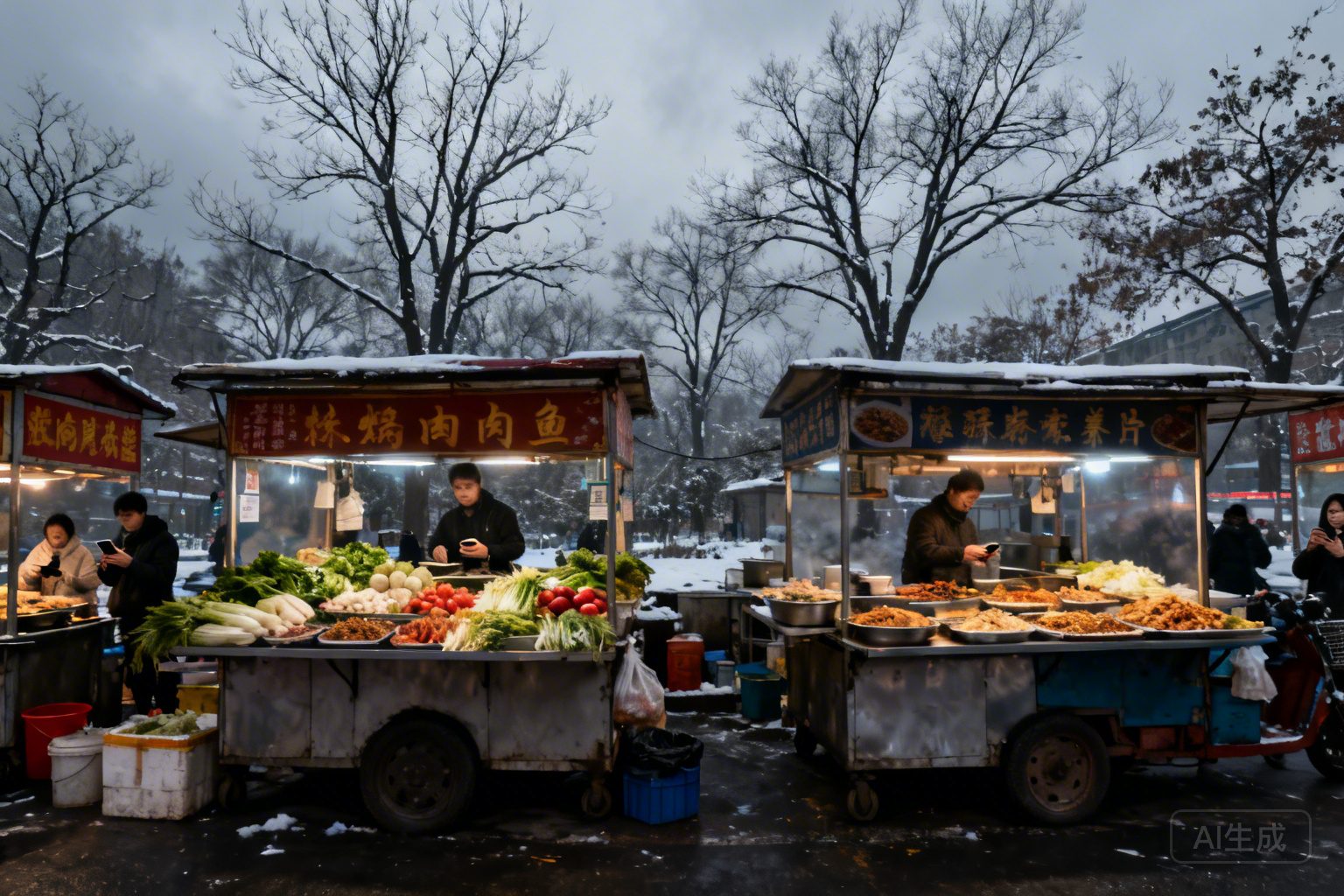
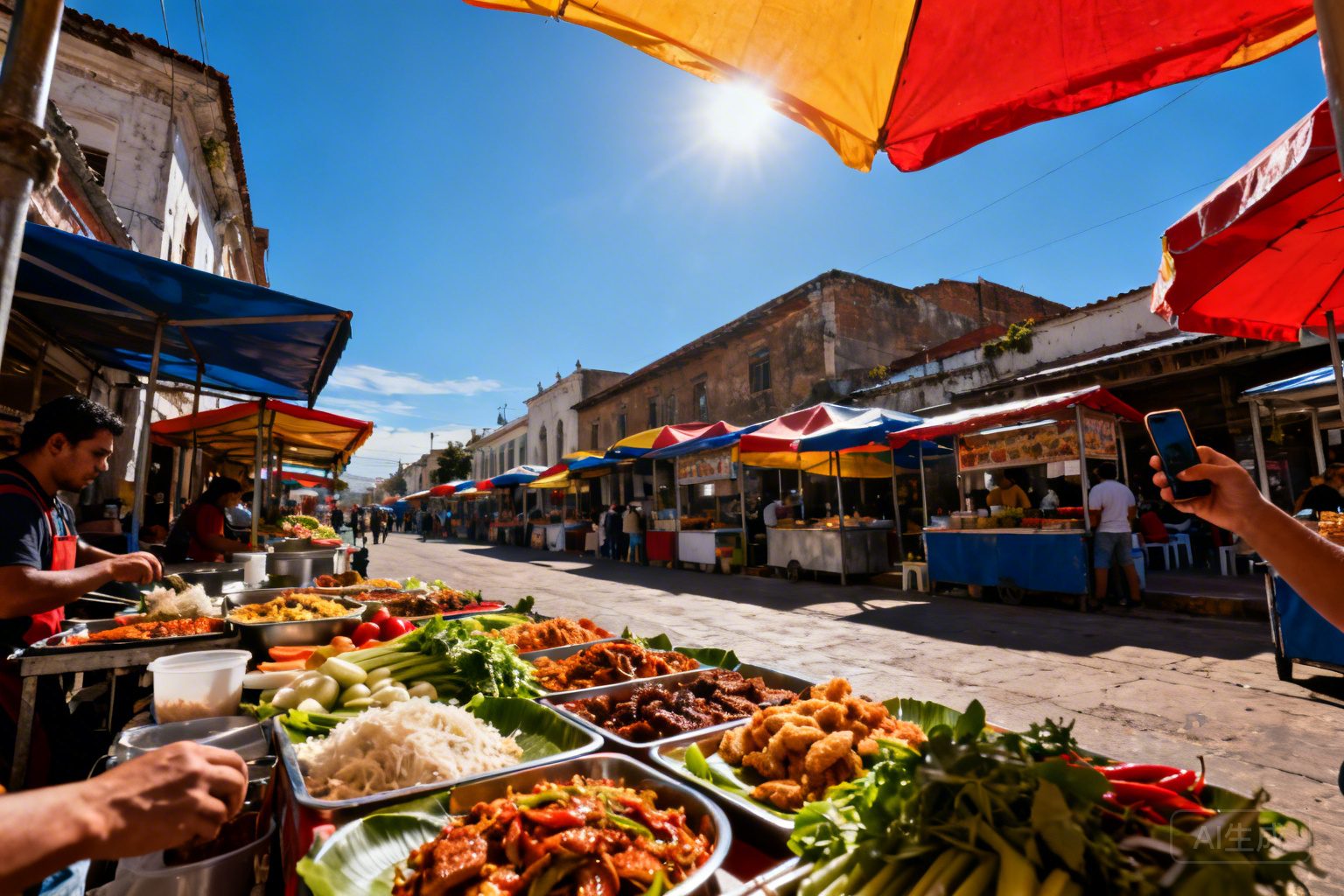
Crossing the bridge is like stepping through a tear in the fabric of time. The noise changes. In the center, the sound is a symphony of impatient car horns; here, it is the sound of survival. The air smells of anticuchos—beef hearts grilled over charcoal—a scent so primal and metallic it bypasses the brain and speaks directly to the gut. The smoke rises in ribbons, obscuring the faces of the women who fan the embers with pieces of cardboard, their knuckles swollen and mapped with fine, soot-stained lines.