The Forbidden Guide to Reykjavik: 5 Places Most Tourists Are Afraid to Visit!
The Shadow Side of the Smokey Bay
I’ve been sitting in the same corner of a nondescript cafe in Vesturbær for three months now. The barista, a guy named Hjörtur who looks like he’s never seen the sun, doesn’t even ask for my order anymore. He just slides a lukewarm double espresso across the plywood counter and nods. That nod is everything. In Reykjavik, if someone acknowledges your existence without a forced customer-service smile, you’ve officially stopped being a tourist. You’ve started to disappear.
Most people come here for the “Golden Circle” and the overpriced blue water of the Reykjanes peninsula. They stay in the hotels centered around Laugavegur, eating “traditional” shark that locals wouldn’t touch with a ten-foot pole, and paying 1,500 ISK for a beer while surrounded by other Americans in North Face jackets. If that’s what you want, stop reading. This isn’t for you. This is for the people who want to know where the steel-workers drink, where the wind actually bites, and where the silence of the North Atlantic actually settles into your bones.
Reykjavik is a tiny city with a massive ego. It’s a place of unwritten rules. For instance: never, ever use an umbrella. It’s the ultimate mark of the outsider. The wind here doesn’t blow side-to-side; it blows up, down, and inside your soul. An umbrella is just a broken piece of plastic waiting to happen. You wear a Gore-Tex shell, you put your hood up, and you squint. Another rule? Don’t tip. It’s not “appreciated but not required”—it’s genuinely confusing for the staff. The price on the menu is the price you pay. And for the love of everything holy, shower naked before you enter a public pool. There are guards. They will watch you. If you try to sneak into the water with your trunks on without a thorough scrub-down, you will be publicly shamed by a 70-year-old Icelandic man. It is the only time locals will actually raise their voice at you.
1. Grandi: The Rust and the Residue
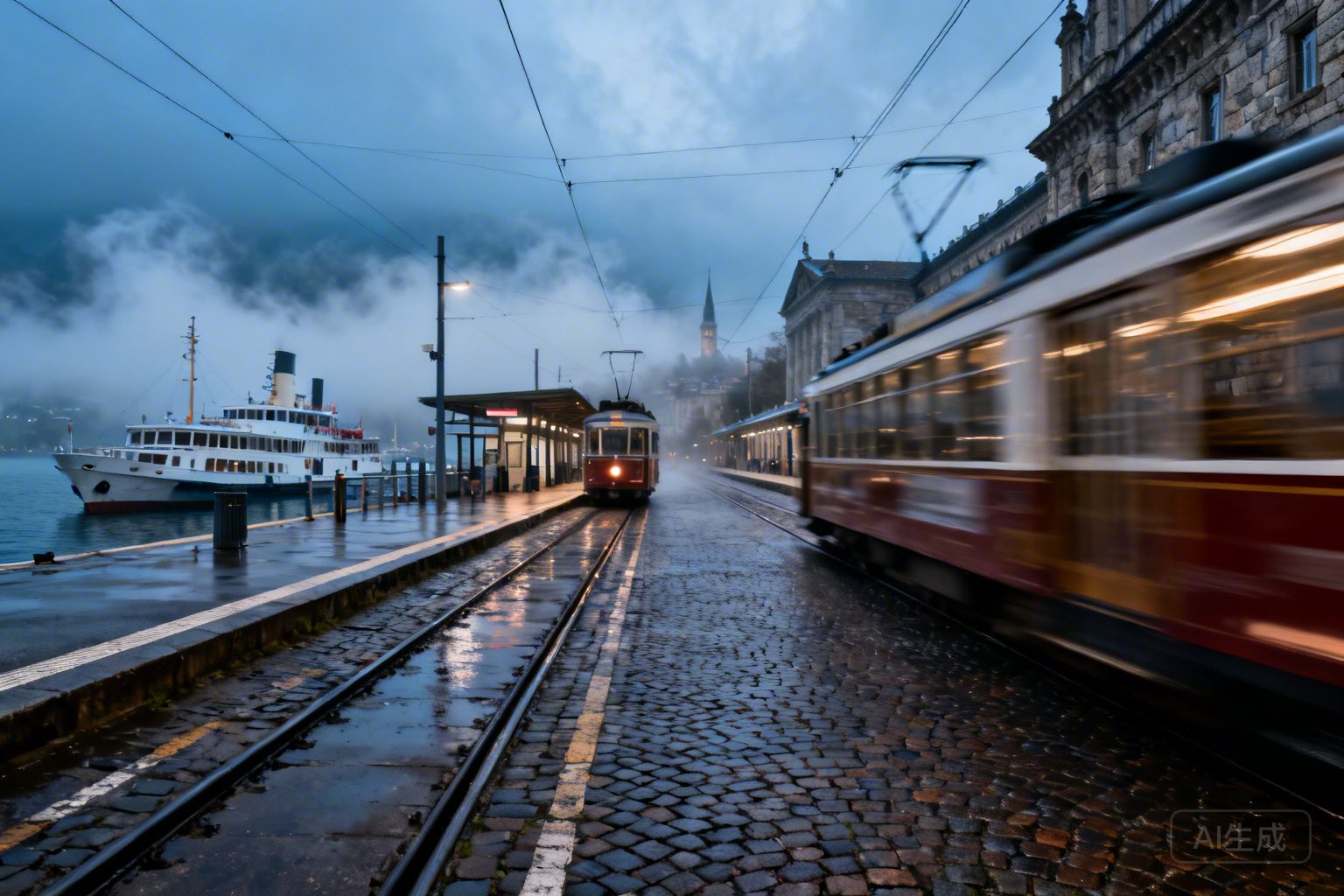
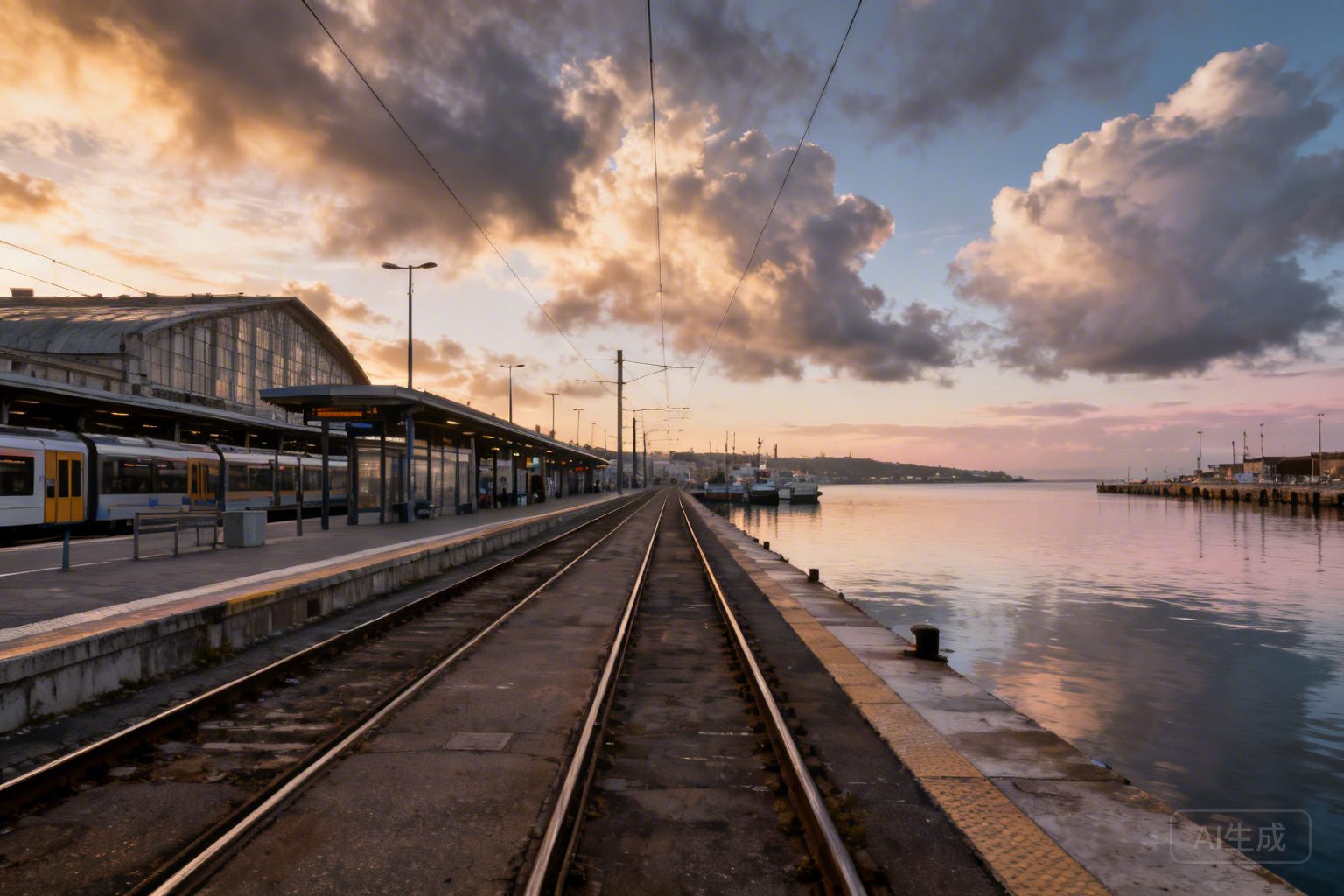
Ten years ago, Grandi was just the old harbor—a place of fish guts, diesel fumes, and corrugated iron. Now, the travel blogs tell you to go there for the “Instagrammable” ice cream shops. Ignore them. If you want the real Grandi, you head past the maritime museum toward the dry docks where the massive trawlers are propped up like beached whales.