The Forbidden Guide to Rhodes: 5 Places Most Tourists Are Afraid to Visit!
The Amber Hour in the Labyrinth
Rhodes is a bone-dry paradox, a calcified memory floating in an indigo sea. Most visitors remain tethered to the sanitized geometry of the Mandraki harbor, where the sunlight bounces off the white hulls of catamarans with a blinding, expensive glare. They eat frozen moussaka beneath umbrellas sponsored by multinational breweries and buy mass-produced plastic magnets shaped like the Colossus. They are safe. They are comfortable. They are missing the pulse of the island entirely.
To truly see Rhodes—the Rhodes that breathes beneath the weight of three millennia of conquests—is to ignore the map. You must step away from the polished cobblestones of the Street of the Knights and seek the places where the shadows are thick enough to taste. The air here doesn’t just move; it carries the weight of Ottoman dust, Italian hubris, and the salty, iron-scented sweat of the Hospitallers. The wind at the corner of Ippokratous Square isn’t just a breeze; it is a 24-knot thermal draft that smells of toasted oregano and diesel exhaust, whipping through the narrow arteries of the Old Town like a frantic ghost.
The “forbidden” isn’t always a matter of barbed wire or guards. Sometimes, a place is forbidden simply because the modern psyche cannot handle its stillness, its decay, or its refusal to be a backdrop for a selfie. Here is the geography of the avoided.
I. The Sanatorium of Eleousa: The Ghost of Italian Fascism
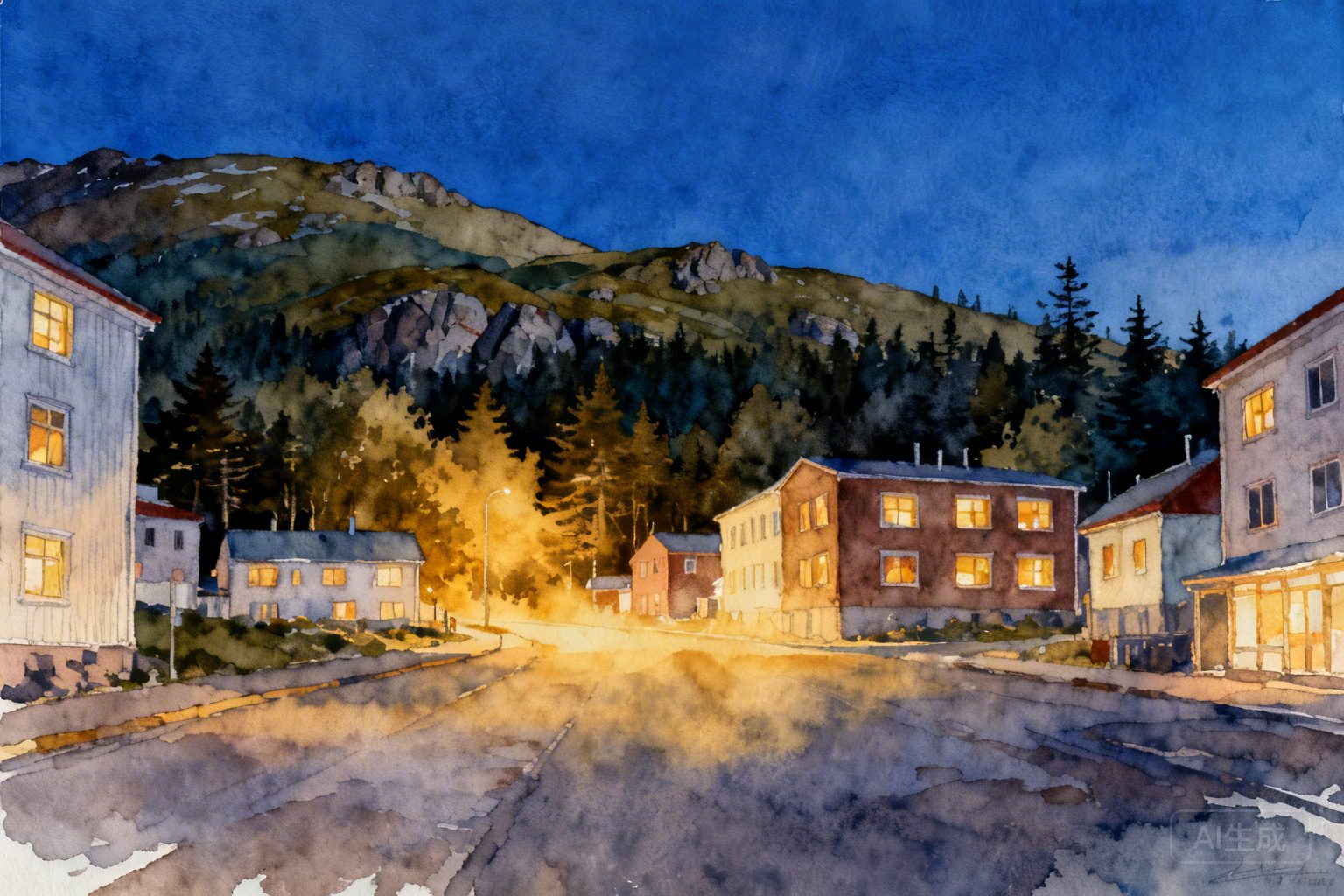
Driving into the foothills of Mount Profitis Ilias, the air cools by a sharp ten degrees. The cicadas here don’t chirp; they scream in a rhythmic, mechanical cadence that vibrates in your molars. This is Eleousa. In the 1930s, under the Italian occupation, it was built as a model village, *Campochiaro*, a fascist utopia meant to showcase the architectural dominance of Rome. Now, it is a skeletal wreck of peeling ochre paint and shattered glass.