The Forbidden Guide to Rome: 5 Places Most Tourists Are Afraid to Visit!
The Ghost of the G.R.A.: Why You’re Doing Rome Wrong
I’ve been living in a walk-up in San Lorenzo for six months, and I still haven’t seen the Trevi Fountain this trip. That’s not a flex; it’s a survival strategy. Most people come to Rome to see a corpse—a beautiful, marble-white, meticulously preserved corpse of an empire. They stay in Prati or near the Spanish Steps, paying 18 Euro for a carbonara that tastes like sadness and dust. They follow the invisible tracks laid out by TripAdvisor until they leave thinking Rome is just a giant, crowded museum with bad service.
Rome is actually a series of warring villages stitched together by bad asphalt and ancient spite. If you want to disappear here—to actually live like the people who haven’t seen a gladiator mask in a decade—you have to go where the tour buses literally cannot fit. You have to go where the graffiti is fresh, the laundry hangs over the street like prayer flags, and the “danger” people warn you about is really just a lack of English menus and a surplus of authenticity.
1. Tor Pignattara: The Bengali Heartbeat and the Roman Soul
Most tourists are told to stay away from anything East of the Termini station. “It’s too gritty,” they say. They’re missing the most vibrant neighborhood in the city. Tor Pignattara is where the Roman working class collided with a massive influx of South Asian culture, creating a surreal, wonderful hybrid. It’s the only place in Rome where you can get a world-class sourdough pizza and then walk fifty feet to find the best vegetable samosas of your life.
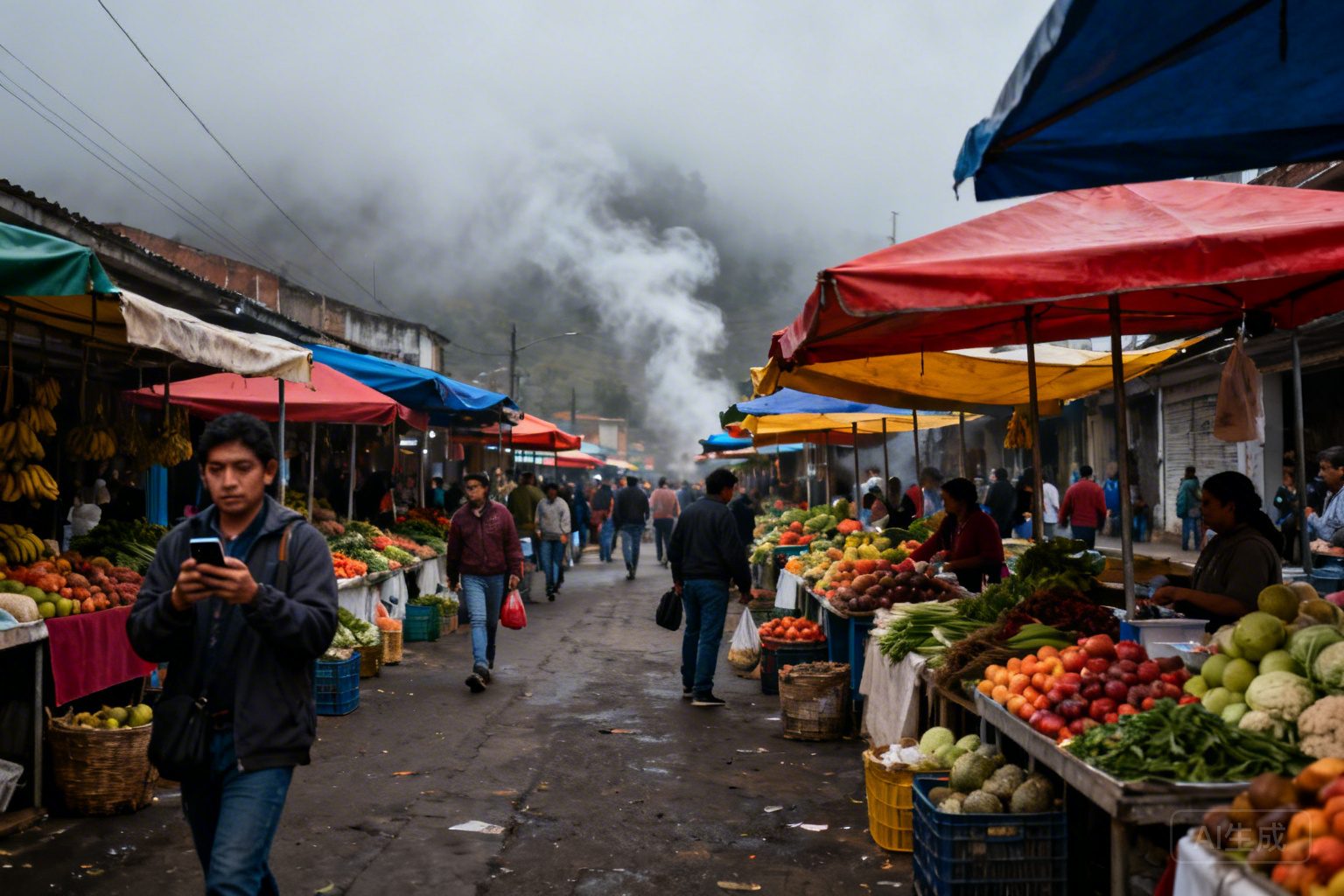
The Vibe: This isn’t the Rome of postcards. It’s a riot of street art—some of the best in Europe. Huge murals by Sten Lex and Agostino Iacurci tower over old men playing cards in plastic chairs. It’s loud, it smells like cumin and roasting coffee, and it’s unapologetically real.