The Forbidden Guide to Seoul: 5 Places Most Tourists Are Afraid to Visit!
The Indigo Hour of the Hermit Kingdom
Seoul is a city that never sleeps, but it frequently hallucinates. To the uninitiated, it is a neon-slicked landscape of K-Pop stardust and skincare boutiques, a polished surface of glass and steel that reflects nothing but the future. But if you press your ear against the cold granite of the Bukhan Mountain range or follow the scent of damp earth and fermented soy into the alleys where the streetlights flicker with a rhythmic, dying heartbeat, you find the other Seoul. The Seoul that makes people uncomfortable. The Seoul of the “forbidden.”
Fear is a subjective compass. For most tourists, fear is a lack of English signage or a menu without pictures. For the seasoned traveler, fear is the realization that a city this modern must be burying something ancient and restless beneath its subway lines. To truly know this metropolis, one must abandon the “Soul of Asia” marketing brochures and step into the shadows where the paint peels in rhythmic curls like dried skin and the wind carries the metallic tang of history.
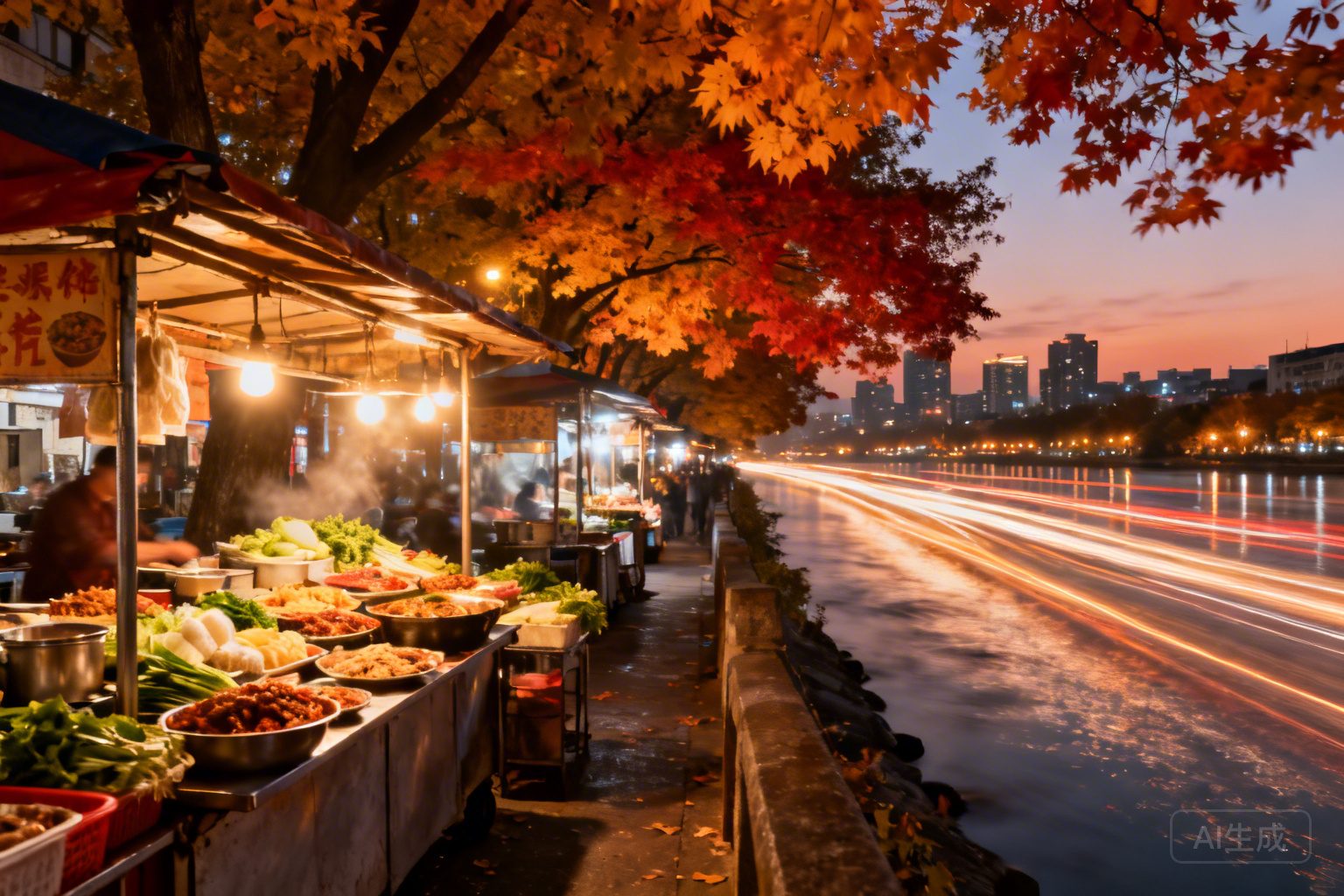
The air tonight is a sharp, crystalline cold that tastes of charcoal smoke and the coming winter. I am not looking for the Myeongdong crowds. I am looking for the cracks in the facade.
I. The Ossified Silence of Guryong Village
The contrast is a physical blow. On one side of the road, the skyscrapers of Gangnam rise like titan’s teeth, glowing with the sterile blue light of unimaginable wealth. On the other side, across a narrow, trash-strewn gully, lies Guryong. It is often called the last “slum” of Seoul, but that word is too flat, too architectural. Guryong is a living, breathing anachronism, a sprawling labyrinth of plywood, corrugated iron, and heavy plastic tarps held down by discarded tires.