The Forbidden Guide to Warsaw: 5 Places Most Tourists Are Afraid to Visit!
The Ghost in the Vistula’s Mirror
Warsaw does not beg for your love. Unlike the curated, cinematic flirtations of Paris or the golden-hour narcissism of Prague, Warsaw is a city of jagged edges and architectural scar tissue. It is a metropolis that has died and been reborn so many times that its very soil feels restless. Most visitors cling to the Royal Route like a life raft, shuffling through the reconstructed Old Town—a beautiful lie, a stone-by-stone replica of a past that was pulverized in 1944. They eat their pierogi, take their photos of the Barbican, and leave convinced they have seen the heart of Poland.
But the heart of Warsaw does not beat in the reconstructed squares. It pulses in the shadows, in the places where the paint is curling like scorched parchment and the air tastes of coal dust and unexorcised memories. To find the real city, you must step off the map. You must go where the guidebooks grow silent and the concierges at the InterContinental shake their heads with a practiced, cautionary smile.
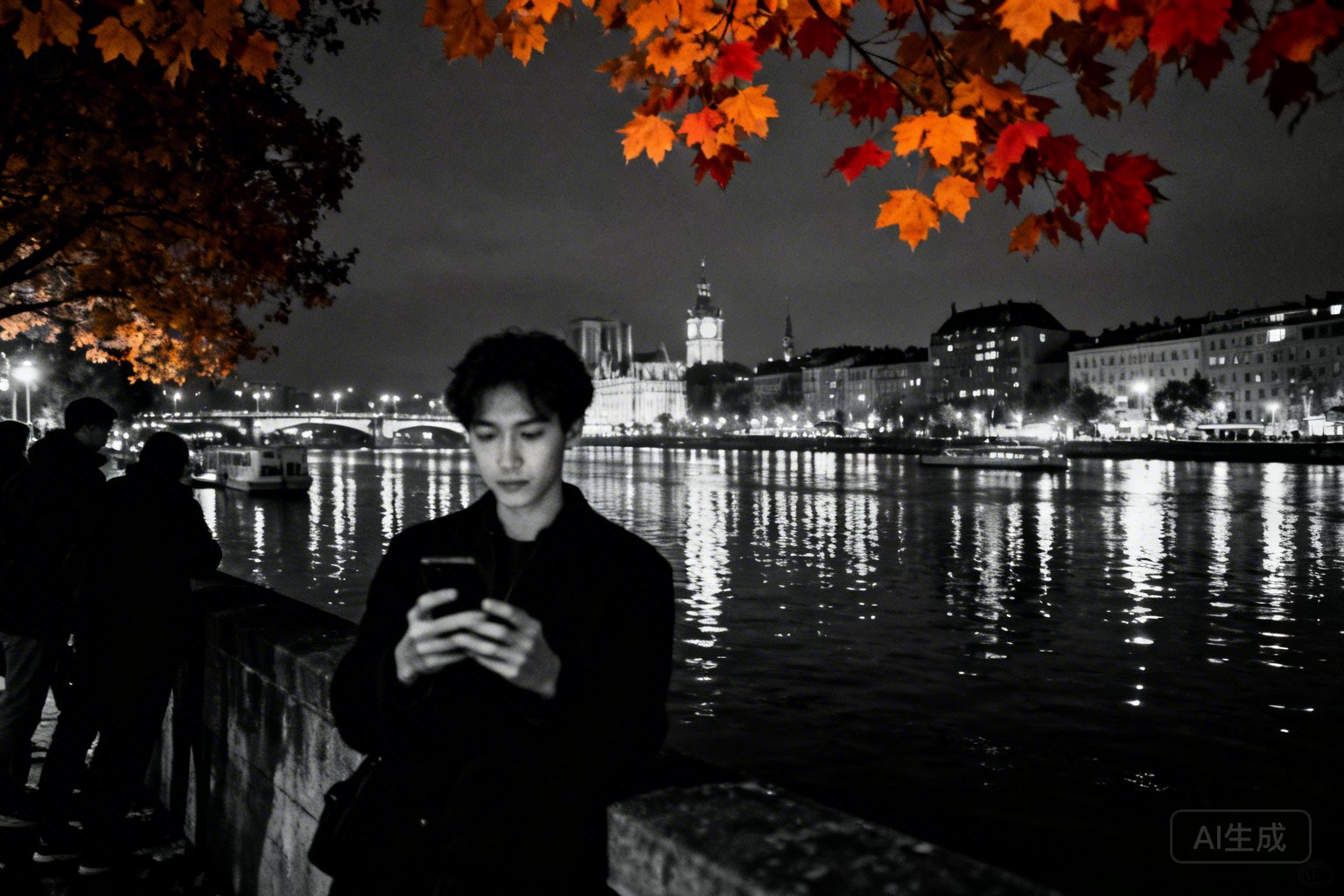
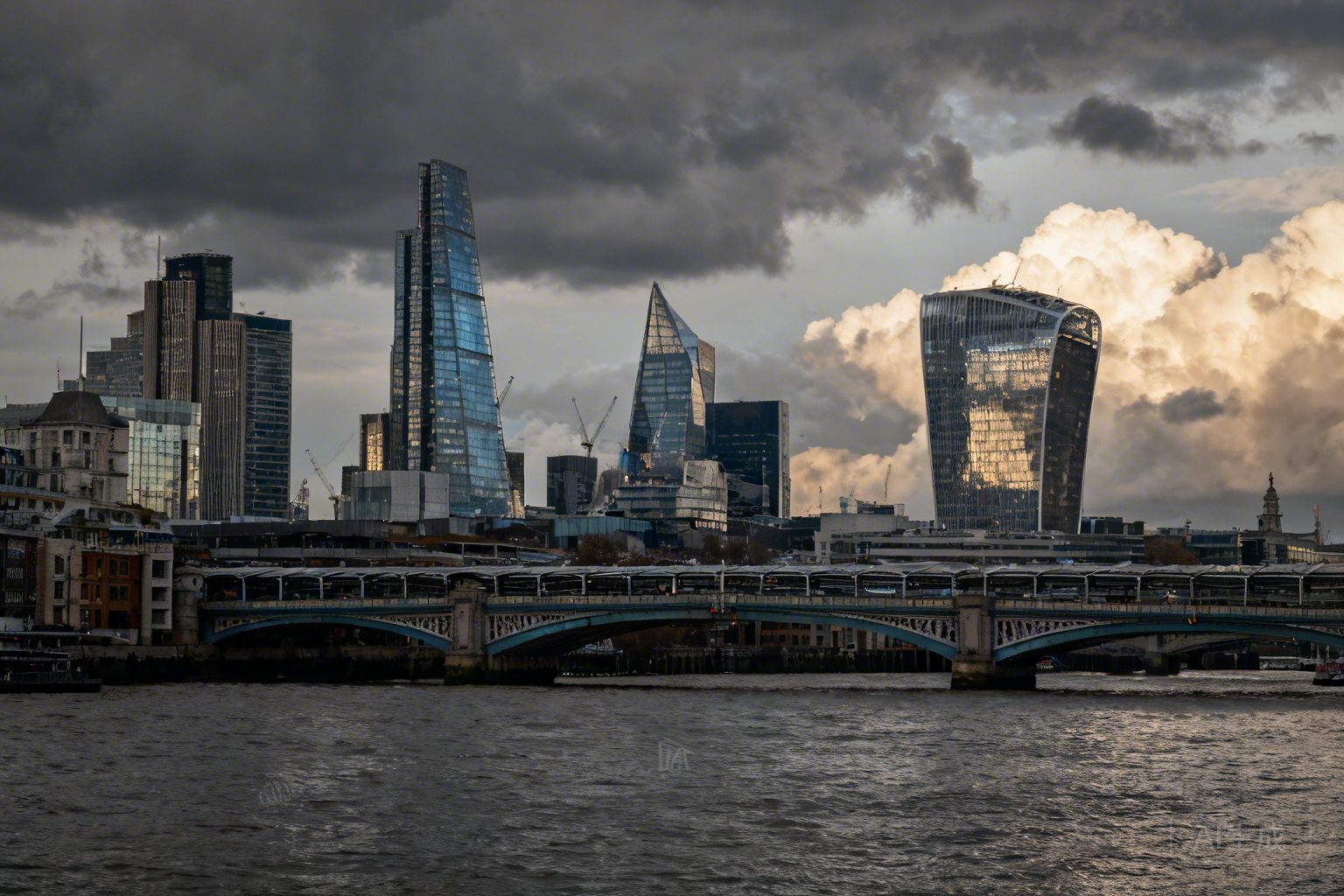
I arrived on a Tuesday when the sky was the color of a bruised plum. The wind, a biting northeasterly known as the surowy, whipped off the Vistula, carrying the scent of damp concrete and river silt. My guide—if you could call him that—was a man named Janusz, whose face looked like a topographic map of the Mazovian lowlands. He didn’t speak; he pointed with a nicotine-stained finger. We were heading into the “forbidden” geography, the districts that tourists fear because they cannot be easily consumed or understood.
1. The Stalinst Shadow: The Fringes of Plac Defilad
We began at the feet of the Palace of Culture and Science. It is the city’s unescapable totem, a “gift” from Stalin that the locals once loathed and now regard with a weary, Stockholm-syndrome affection. While the crowds gather at the main entrance for the elevator to the viewing terrace, Janusz led me toward the ventilation shafts and the service rear—the tectonic plates of the city’s brutalist ego.