The Jeju Bucket List: 15 Epic Adventures for Thrill-Seekers!
The Jeju You Aren’t Supposed to Find
I’ve been living in Jeju for six months now, and I still haven’t been to the Teddy Bear Museum. I haven’t taken a selfie at the “I Love Jeju” sign, and I haven’t stepped foot in a tour bus. When I landed here with a backpack and a laptop, I wanted to see if a digital nomad could actually survive the “Island of the Gods” without becoming a cliché. What I found was a rugged, volcanic rock populated by stubborn divers, silent fishermen, and a growing community of mainlanders who—like me—just wanted to disappear.
Jeju is a place of hard surfaces: basalt stone, freezing Pacific spray, and a dialect (Jeju-eo) that sounds more like a secret code than Korean. To live here is to accept that you will always be an outsider, but if you play your cards right, you’ll be an outsider with the best seat in the house. This isn’t a vacation guide. This is a manual for the thrill-seeker who finds adrenaline in the unknown and comfort in the obscure.
Neighborhood 1: Gwideok-ri (The Quiet West)
Most people head to Hyeopjae for the white sand. They’re idiots. If you want the real Jeju, you stop twenty minutes short at Gwideok. This is a coastal village that smells of drying squid and salt. It’s where I spent my first month, living in a converted stone warehouse that leaked when it rained.
The Lifestyle Mechanics
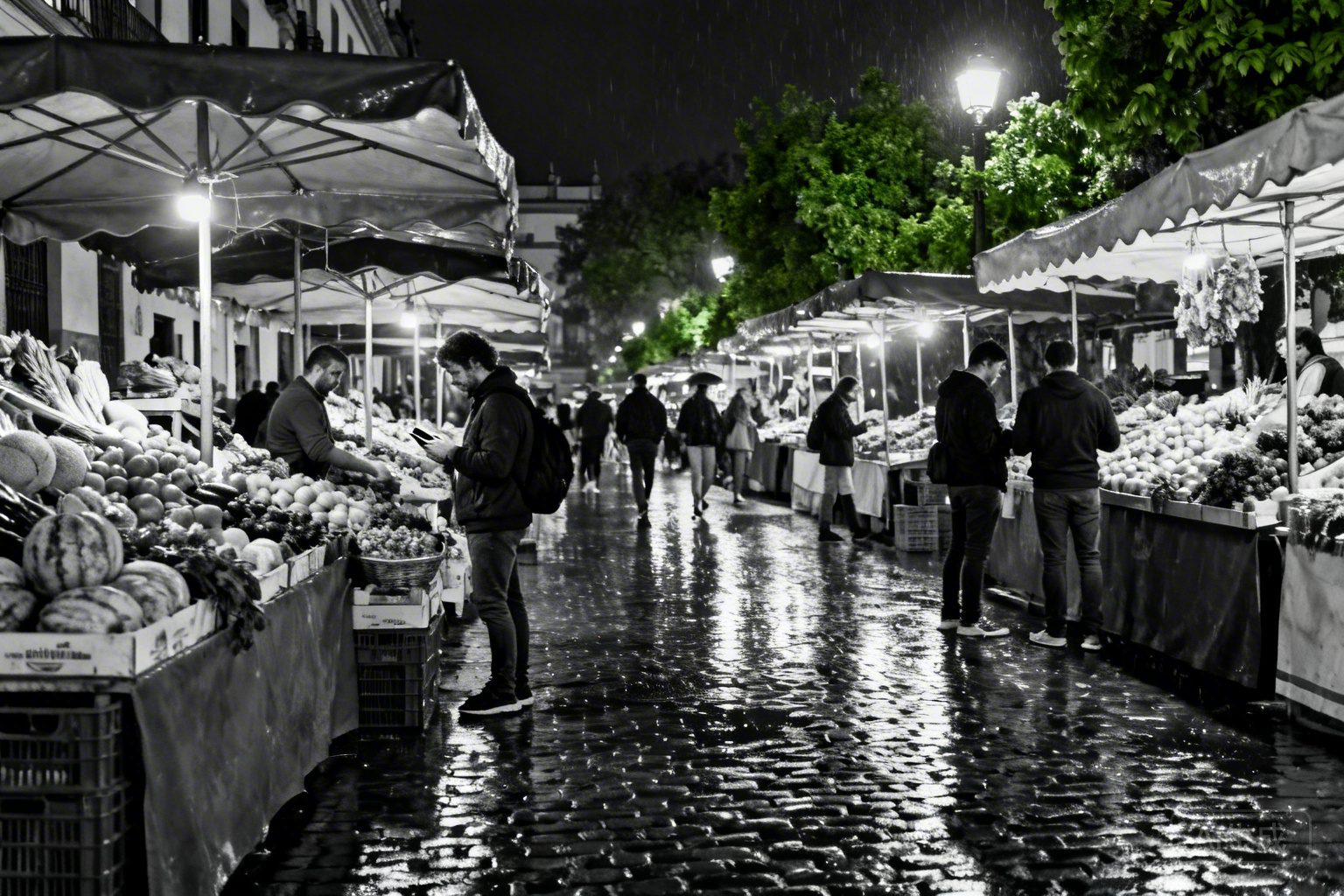
Living in Gwideok requires a car, or at least a sturdy bike. The Fastest WiFi isn’t in a cafe; it’s at the Hallim Public Library. It’s quiet, free, and the connection is stable enough for 4K video uploads. For groceries, forget the fancy marts. Go to the Hallim Five-Day Market (dates ending in 4 and 9). You can buy a bucket of fresh sea urchin for the price of a coffee in Seoul. There’s a tiny laundry shop called Gwideok Laundry run by an old woman who doesn’t speak a word of English but will press your shirts so crisp they could cut paper for about 3,000 KRW.