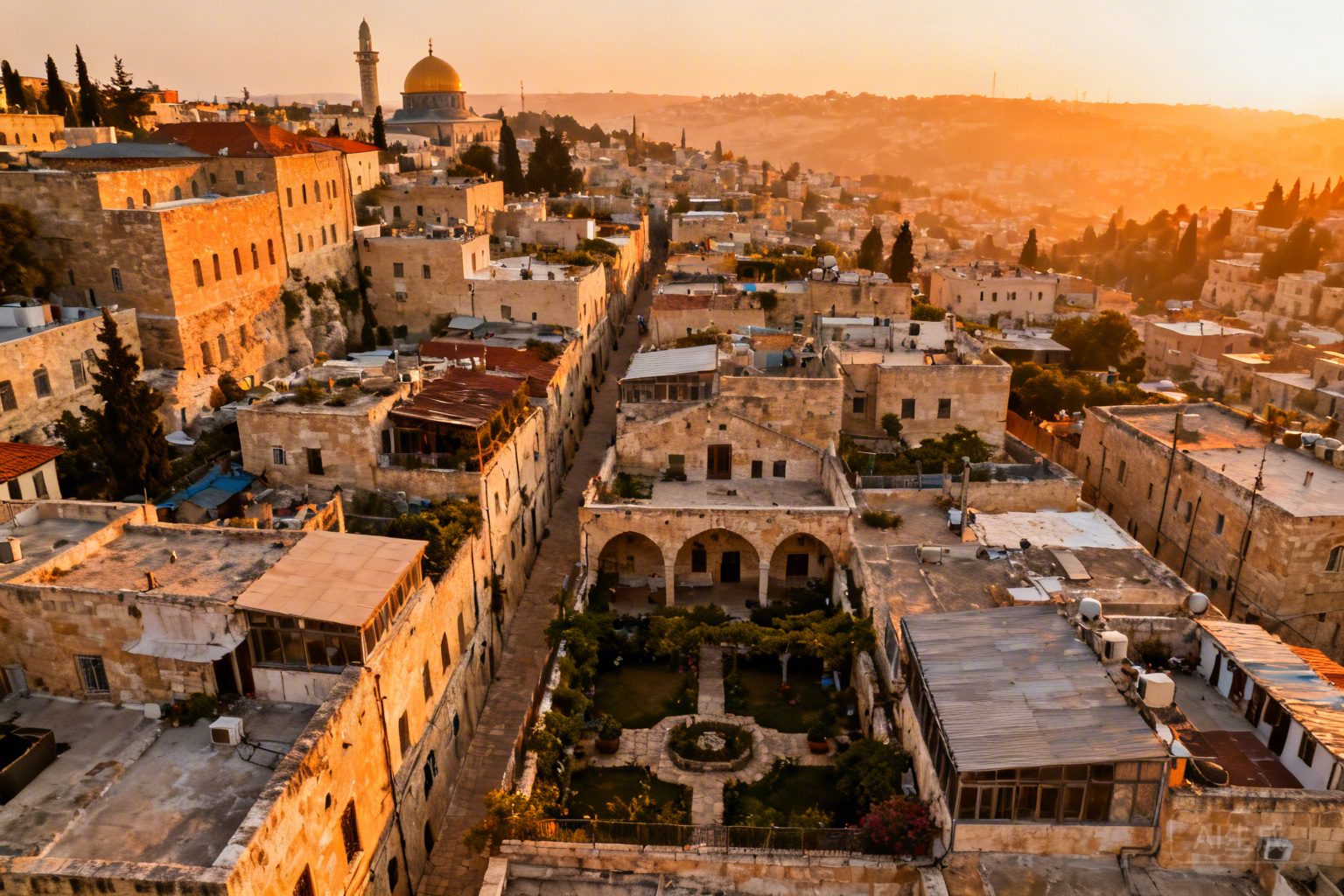
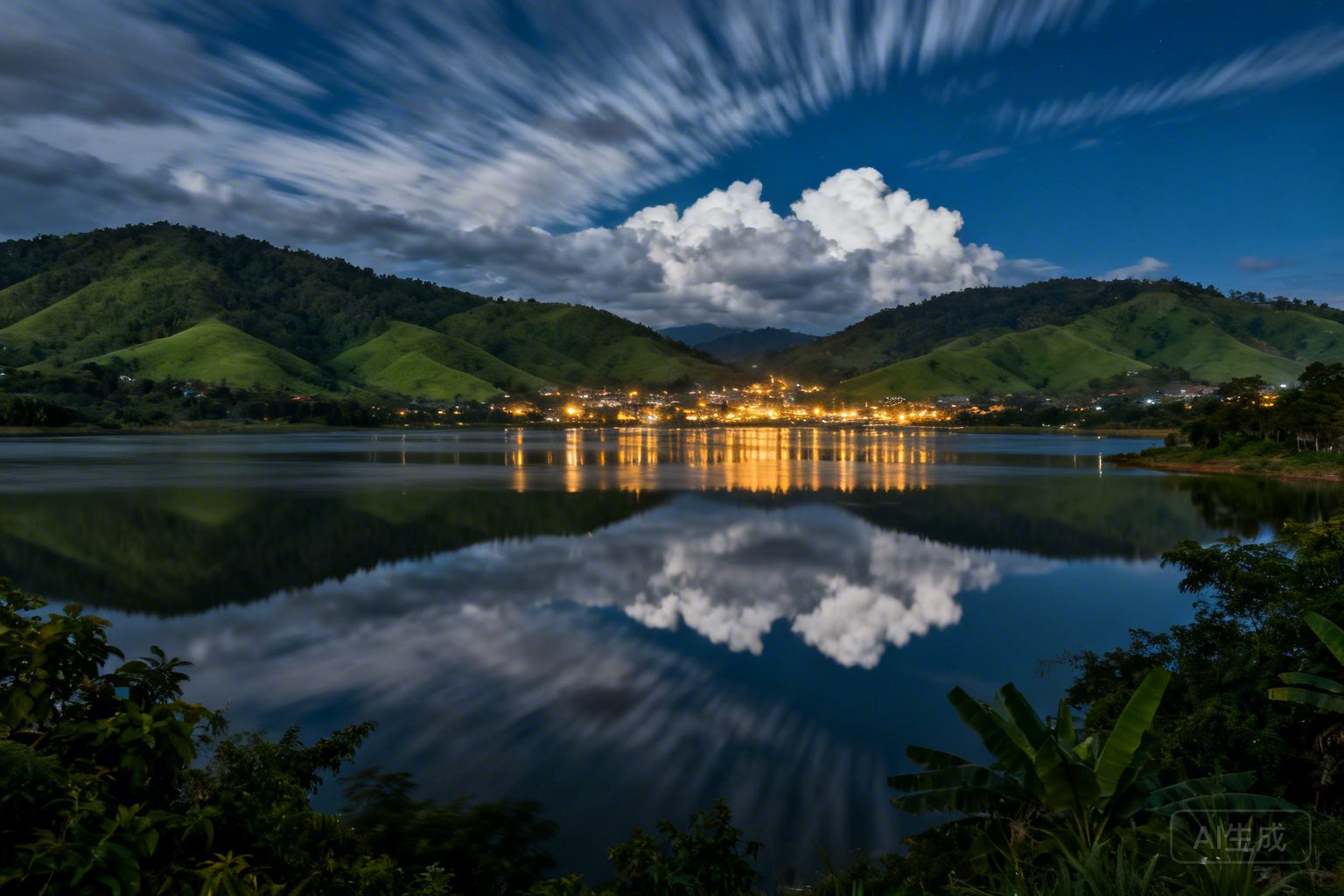
The Krabi Bucket List: 15 Epic Adventures for Thrill-Seekers!
The Limestone Labyrinth: A Prelude in Salt and Stone
The humidity in Krabi doesn’t just sit on your skin; it claims you. It is a thick, velvet weight, smelling of brine, diesel fumes, and the overripe sweetness of bruised mangoes fermenting in the midday heat. To arrive here is to surrender to a landscape that feels prehistoric, where jagged karst towers erupt from the Andaman Sea like the broken teeth of a titan. These limestone giants are draped in a vertical jungle so aggressive it seems to be actively trying to reclaim the air itself. At the pier, the long-tail boats—the ruea hang yao—bob in the turquoise surf, their bows adorned with sun-bleached silk scarves in saffron and crimson, offerings to Mae Ya Nang, the spiritual goddess of sea travel. The wood of these boats is scarred, sun-bleached to the color of bone, and smooth as river stones under the palm of your hand.
The engine of a long-tail boat is a mechanical roar that vibrates in your marrow. It is a repurposed truck engine, exposed and oily, screaming with a high-pitched metallic franticness as the driver, a man named Somchai with skin the texture of cured leather and eyes clouded by decades of salt spray, maneuvers the long propeller shaft with the grace of a conductor. We slice through the water, leaving a wake of white foam that vanishes almost as quickly as it appears against the emerald stillness of the bay. This is not the sanitized Thailand of glossy brochures; this is a place of sharp edges, sudden squalls, and a beauty so visceral it feels almost violent.
1. The Vertical Ascent: Scaling the Phra Nang Walls
In Railay, the world is vertical. There are no cars here, only the rhythmic thwack-thwack of climbing ropes hitting the rock and the distant, melodic chime of wind-blown shells. The rock is a tapestry of oxidation—streaks of rust-orange, charcoal-grey, and pale ochre. I watch a climber, a lithe Italian woman with chalk-stained fingers, cling to a stalactite that looks like a frozen pour of wax. She moves with a jittery precision, her breath coming in sharp, controlled hisses. The “1,000 Foot Wall” isn’t just a physical challenge; it is a psychological negotiation with gravity. The limestone is razor-sharp, biting into the soft pads of the fingers, smelling faintly of ancient minerals and bird guano. To reach the top is to see the peninsula as the hawks do: a fragmented jigsaw of hidden lagoons and impenetrable green.
2. The Stairway to the Heavens: Wat Tham Suea
The Tiger Cave Temple demands a different kind of penance. 1,237 steps. Each step is a different height, some barely a toe-hold, others a lung-bursting stride. Halfway up, the air grows thin and the sound of the town below—the muffled honk of a motorbike, the distant cry of a vendor selling iced coffee—fades into a monastic silence. I pass a silent monk descending; his saffron robes are a startling flash of fire against the deep mossy green of the cliffside. He does not look up, his feet bare and calloused, moving over the scorching concrete with a rhythm that suggests he is walking on air, not fire. At the summit, the golden Buddha stares out toward the horizon, unblinking, as the wind whips through the prayer flags with the sound of a thousand snapping whips. The view is a dizzying 360-degree panorama of the Krabi plains, broken only by the silhouettes of the karsts, looking like ships lost in a sea of palms.