The Krakow Travel Guide: A Complete Checklist for Your First Visit!
The Gothic Heartbeat: An Introduction to the City of Kings
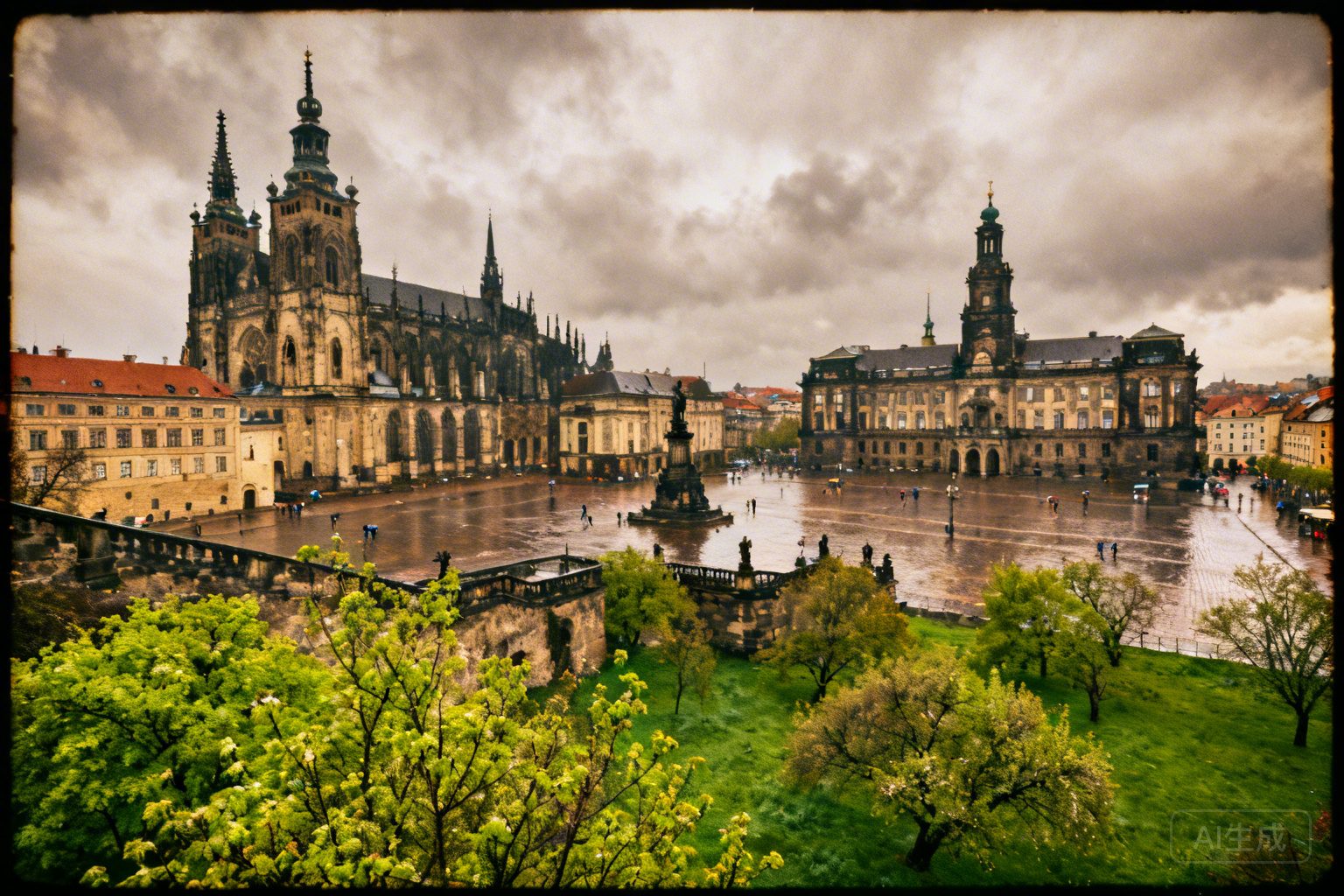
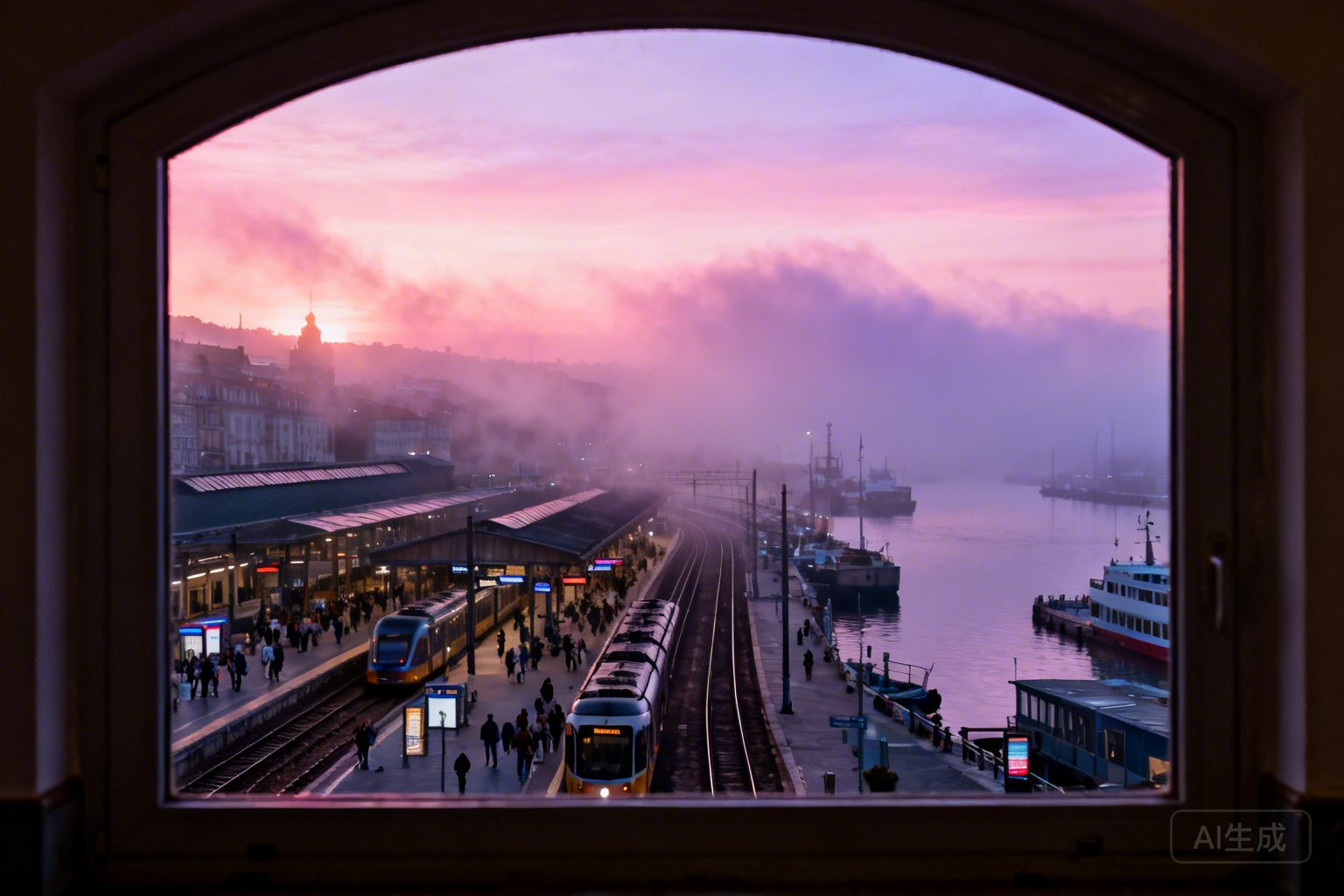
Krakow does not reveal itself through a polite handshake. Instead, it pulls you into a cold, stone embrace, smelling of damp limestone and burnt sugar. To arrive at the Glówny station is to emerge into a cacophony of screeching trams and the sharp, metallic tang of an Eastern European winter—or perhaps a humid summer evening where the air feels as thick as the local smalec spread. This is a city that wears its trauma like a badge of aristocratic honor. It is a place where the shadows are longer, the vodka is colder, and the ghosts are far more talkative than the living.
The checklist for a first-time visitor is not merely a list of monuments. It is a sensory map. It is the grit under your fingernails after touching the soot-stained walls of the Barbican. It is the specific, hollow ring of footsteps on the cobblestones of Kanonicza Street at 3:00 AM. If you are looking for a sterilized European playground, go to Prague. Krakow is for those who prefer their beauty with a side of grit and a heavy pour of melancholy.
The wind here has a name: the Halny. When it blows down from the Tatra Mountains, it is said to drive the locals to madness and suicide. On the corner of Basztowa, I watched a frantic office worker—a woman in a razor-sharp navy blazer, her heels clicking a frantic morse code against the pavement—stop dead in her tracks as the wind caught her. Her papers didn’t fly; she simply stood there, eyes closed, as if the air itself were whispering a secret she wasn’t ready to hear. Then, as quickly as she stopped, she vanished into the mouth of a stone archway, leaving only the scent of cheap espresso and expensive perfume.
The Rynek Glówny: A Symphony of Pigeon Wings and Trumpets
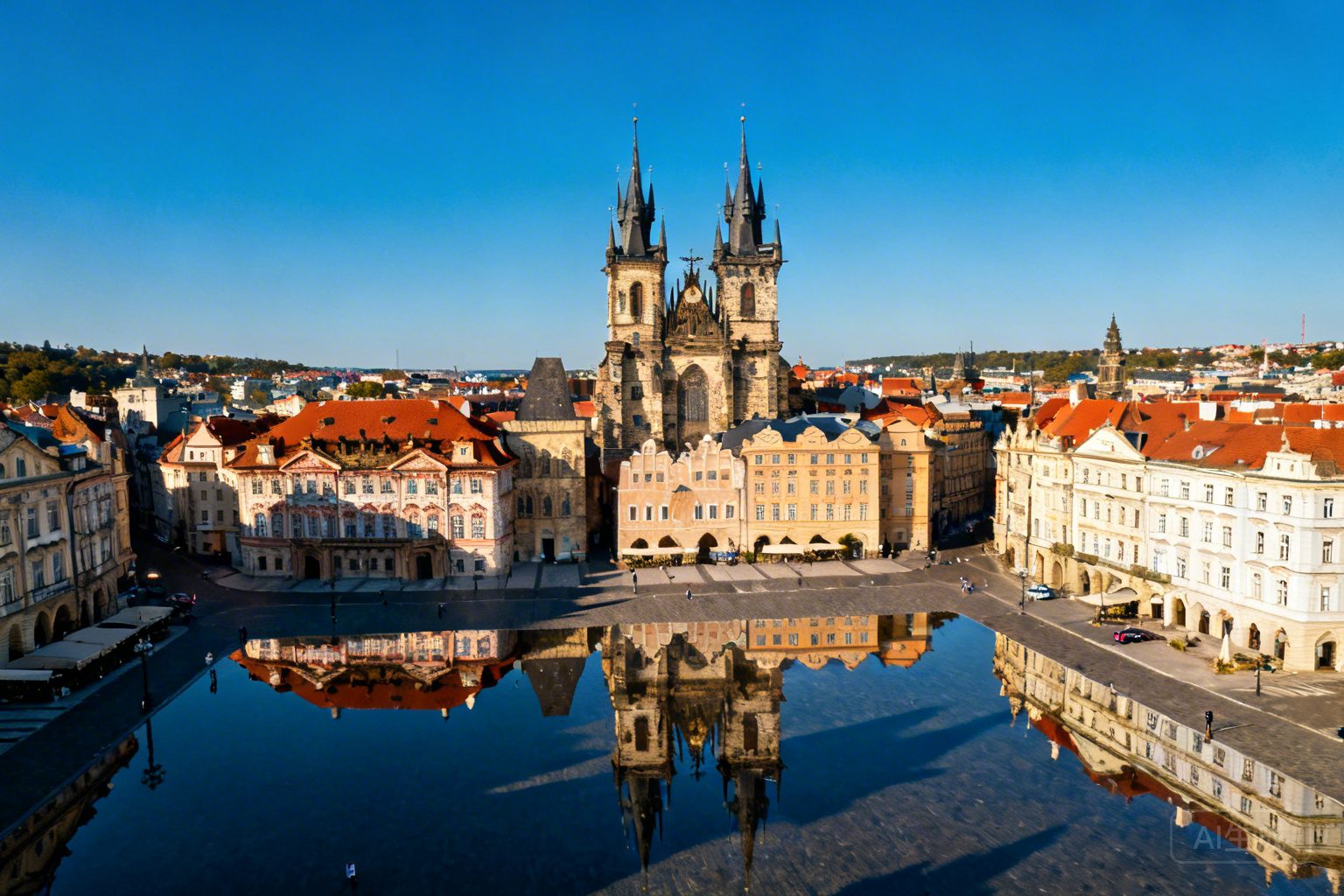
The Main Market Square is the largest medieval square in Europe, but to describe it in hectares is to miss the point entirely. It is a theater. At its center sits the Sukiennice, the Cloth Hall, a Renaissance masterpiece whose yellow ochre walls seem to glow even under the bruised purple of a Polish thunderstorm. Inside, the air is cooler, smelling of cured leather and the resinous sweetness of Baltic amber.