The La Paz Travel Guide: A Complete Checklist for Your First Visit!
The Vertical Labyrinth: A Descent into the Gilded Chaos of La Paz
To enter La Paz is to surrender the very concept of level ground. At 3,640 meters above the brine of the Pacific, the air is not merely thin; it is a precious, crystalline commodity that tastes of diesel exhaust, dried eucalyptus, and the metallic tang of an approaching Andean storm. My first breath in the El Alto international terminal feels like inhaling a handful of fine needles. The lungs protest, the heart hammers a frantic rhythm against the ribs, and the world begins to tilt. This is the threshold of the world’s highest administrative capital, a city that does not sit upon the earth so much as it clings to the jagged interior of a lunar crater, a masonry sprawl spilling down the sides of a geological wound.
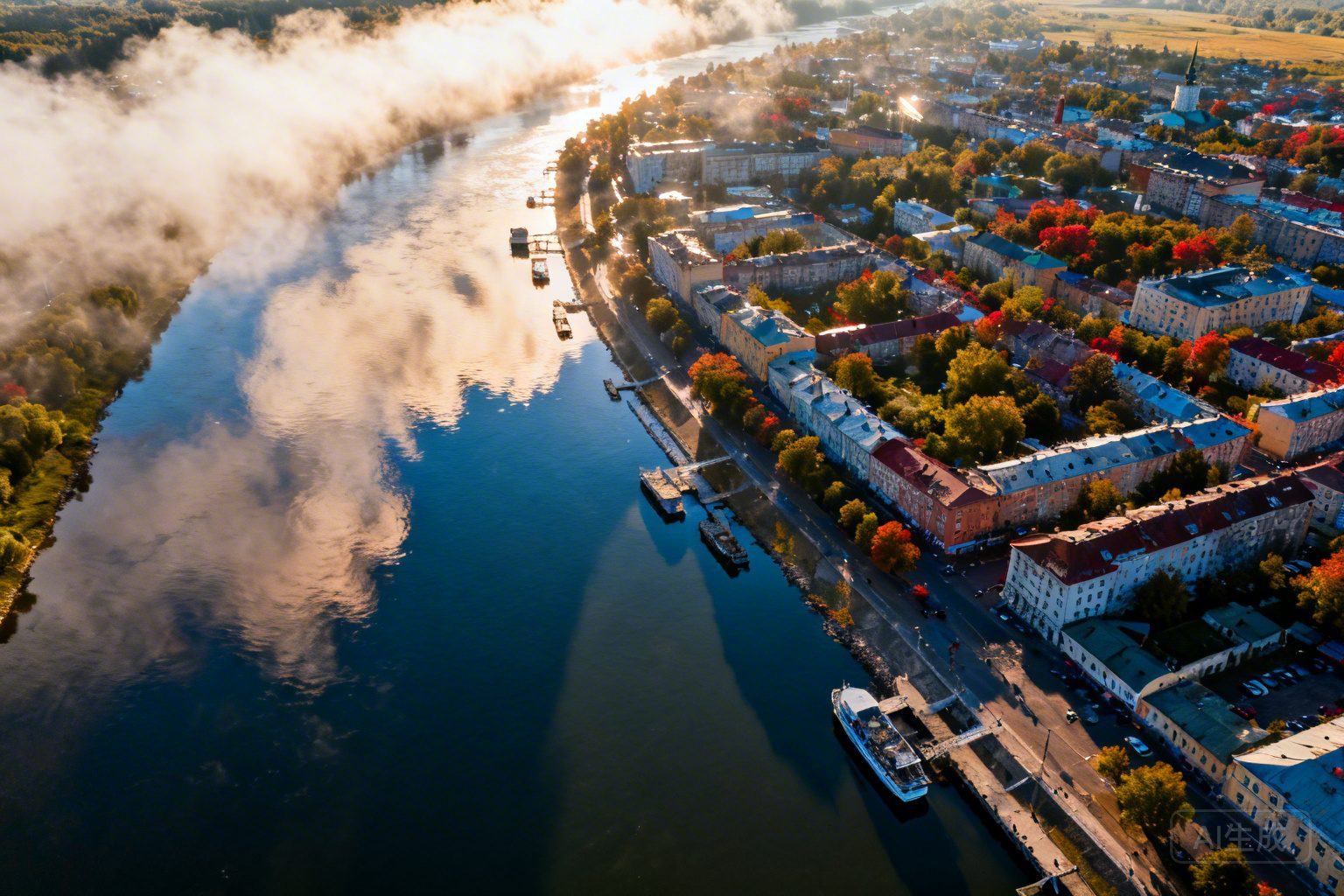
The taxi descent from the Altiplano into the basin is a cinematic vertigo. One moment, you are traversing the flat, dust-choked plains of El Alto—a city of red brick and unfinished dreams—and the next, the ground vanishes. The canyon opens up, revealing a shimmering tapestry of orange roof tiles and concrete skeletons clinging to cliffs that should, by all laws of physics, be uninhabitable. The Illimani mountain looms over it all, a three-peaked titan draped in a shroud of eternal snow, watching the chaos below with the indifference of a god. The descent is a kaleidoscope of peeling political posters, laundry fluttering like prayer flags from rusted balconies, and the sudden, jarring realization that you have left the predictable world behind.
The Mi Teleférico: A Silent Glide Above the Clatter
If the streets are the veins of La Paz, the Mi Teleférico cable car system is its nervous system. It is the only way to comprehend the sheer scale of the sprawl. For a few bolivianos, you are hoisted into a silent, glass-walled pod that glides over the cacophony. From the Red Line, the city reveals its secrets. You look directly into the private lives of pacenos: a grandmother hanging heavy woolen ponchos to dry on a roof of corrugated zinc; a stray dog, ribs tracing shadows against its fur, patrolling a terrace of broken glass; a secret garden of potted geraniums hidden in the heart of a crumbling colonial courtyard.
The transition between districts is marked by the shifting textures of the architecture. In the affluent southern zones, the glass is sleek and the hedges are manicured with surgical precision. But as you rise toward the north, the aesthetics become more frantic, more resilient. The cholets of El Alto—Neo-Andean mansions that look like a collision between a Transformers movie and a traditional weaving—erupt in neon greens and electric pinks. They are the architectural middle finger of the rising Aymara bourgeoisie, a vibrant defiance of the drab colonial past. The sky here is a bruised purple as the sun begins to dip, the light hitting the mountain peaks with a clarity that feels almost violent.