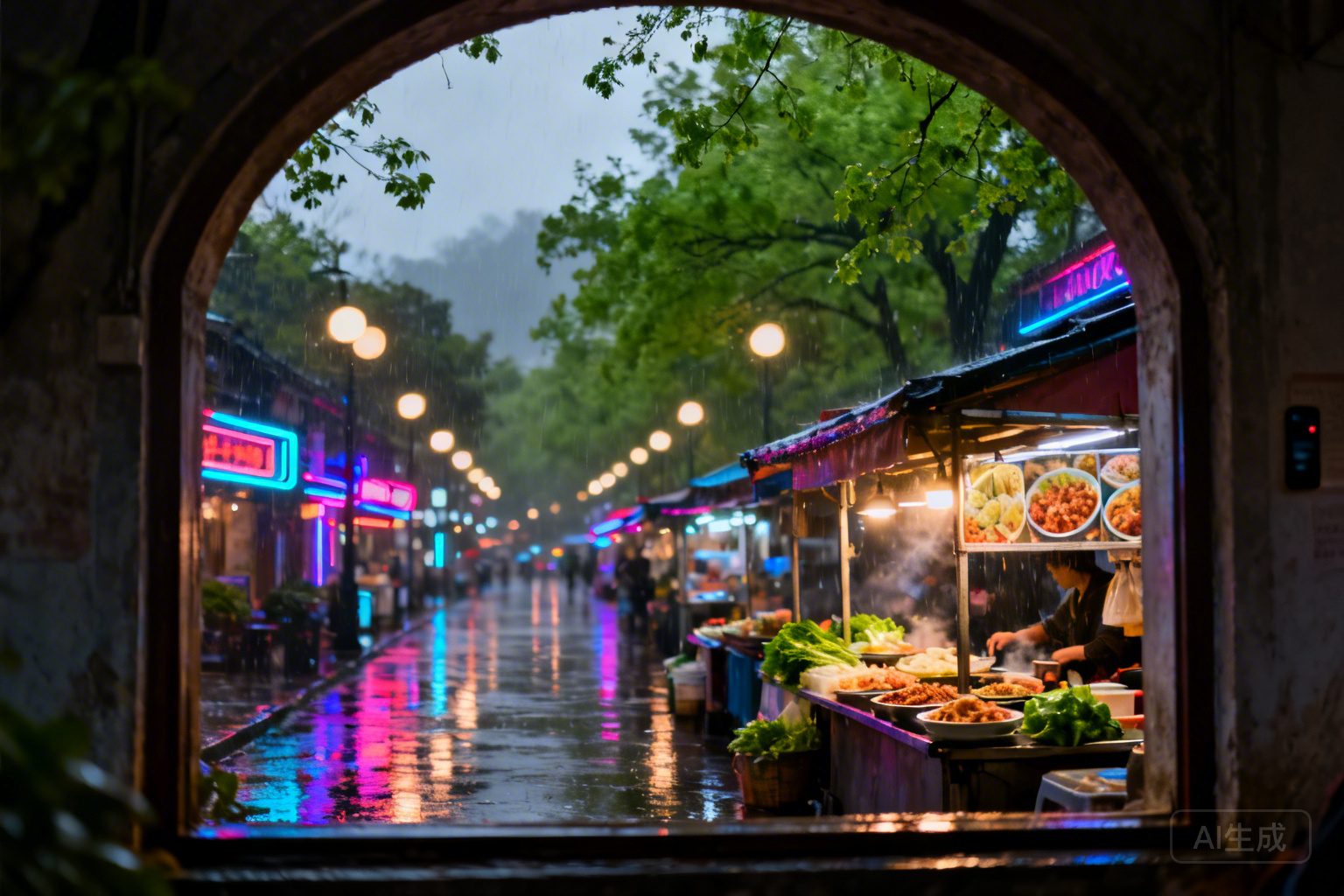
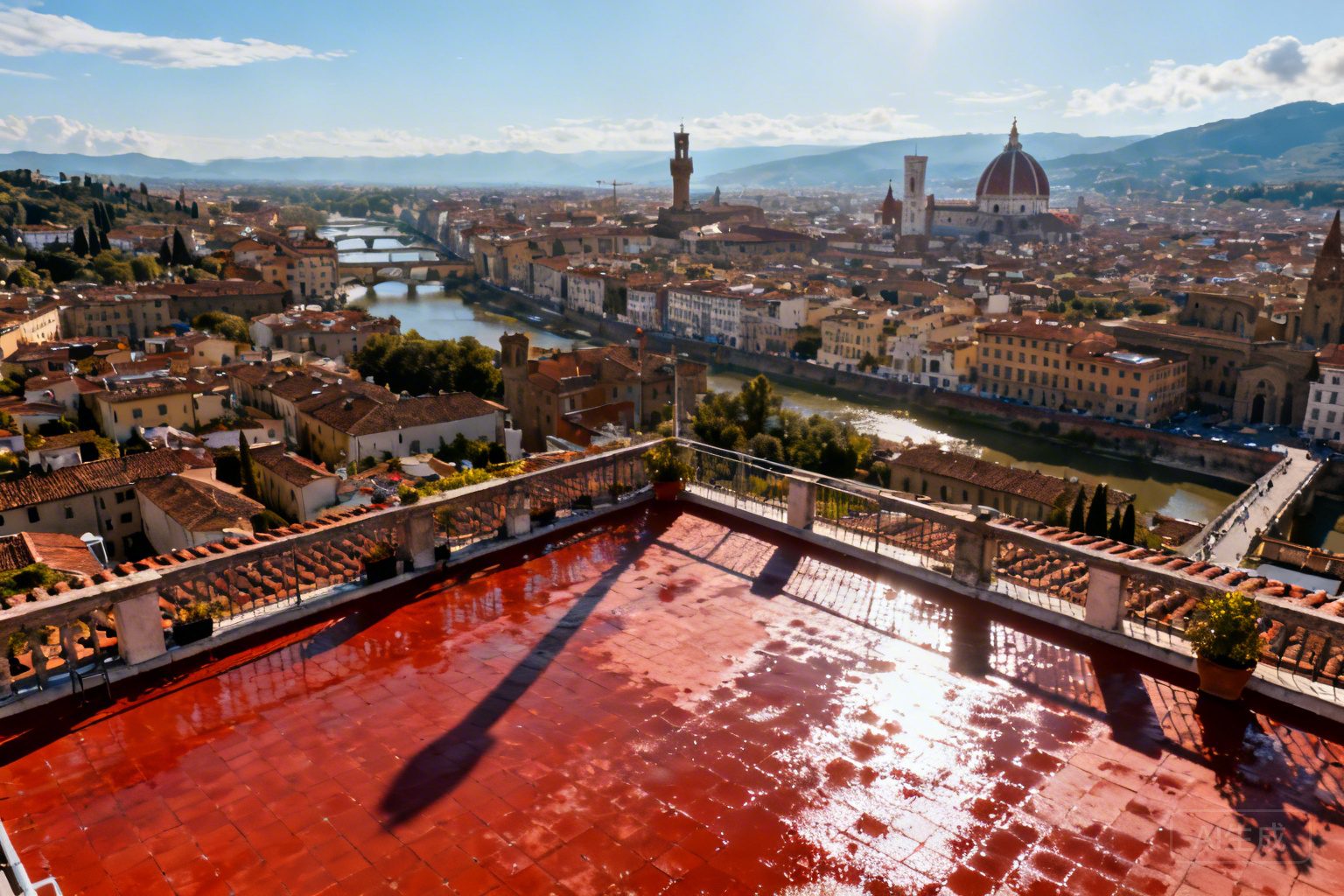
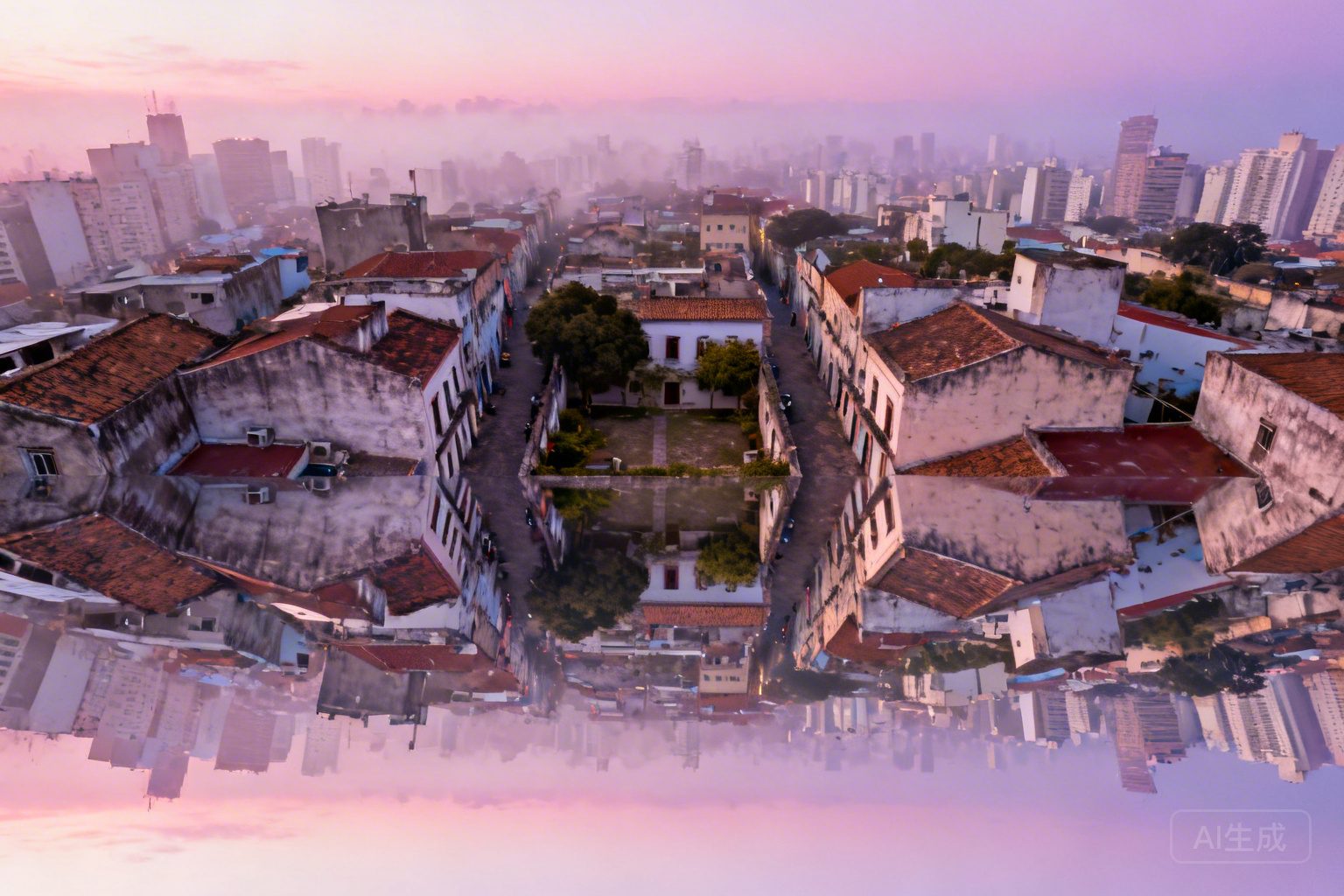
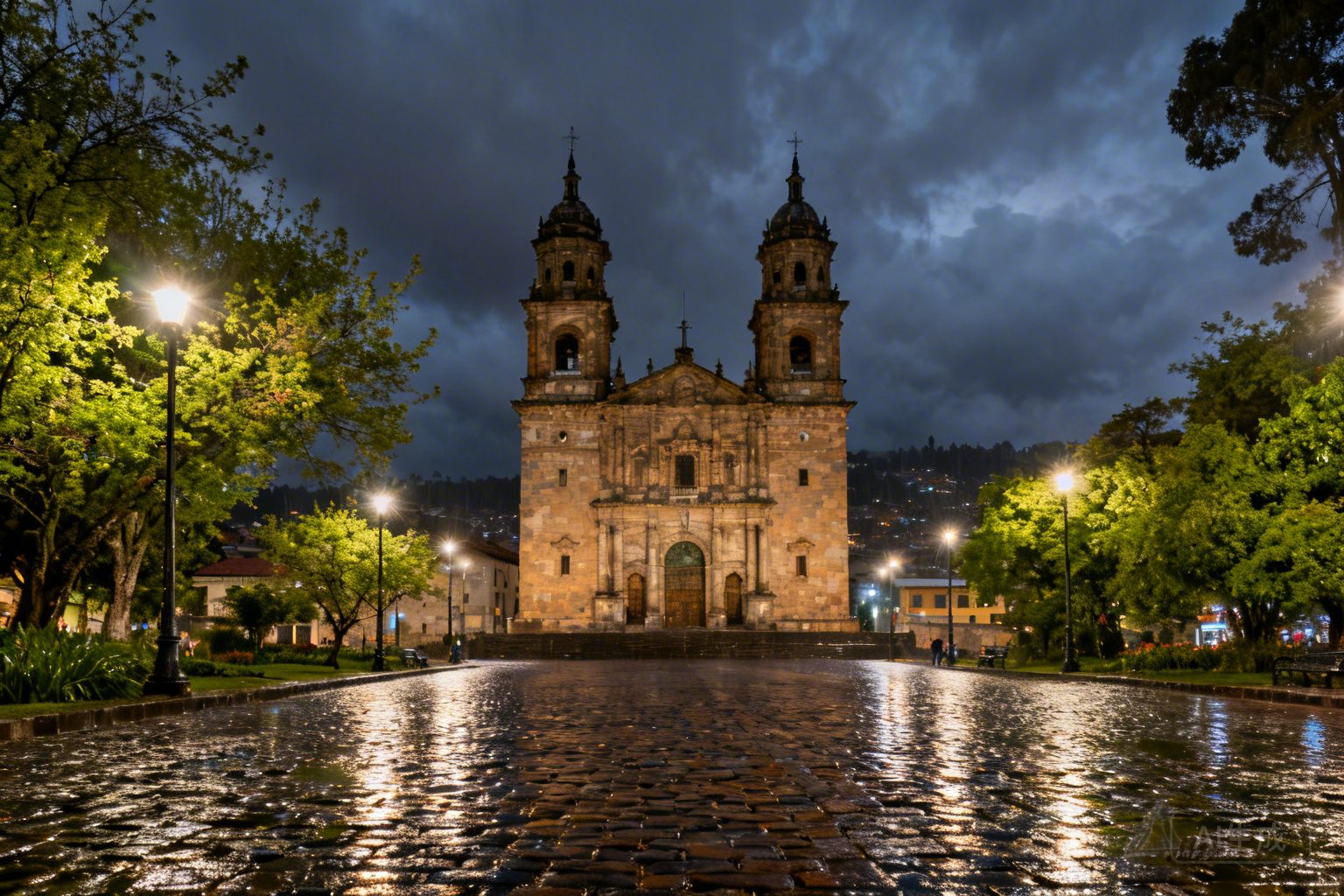
The Marseille Challenge: 10 Heart-Pounding Adventures for Adrenaline Junkies!
The Salt-Stained Threshold: An Introduction to the Chaos
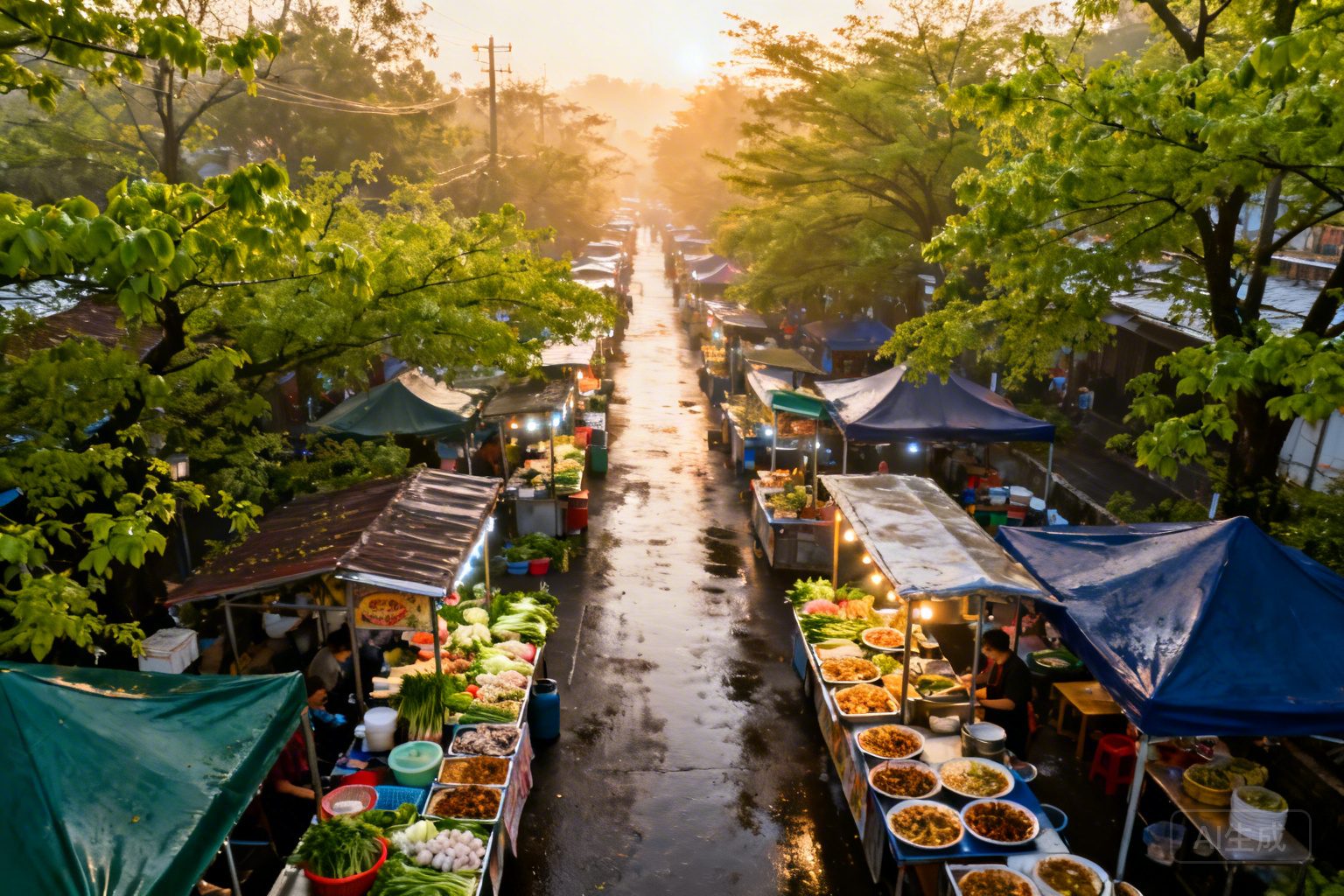
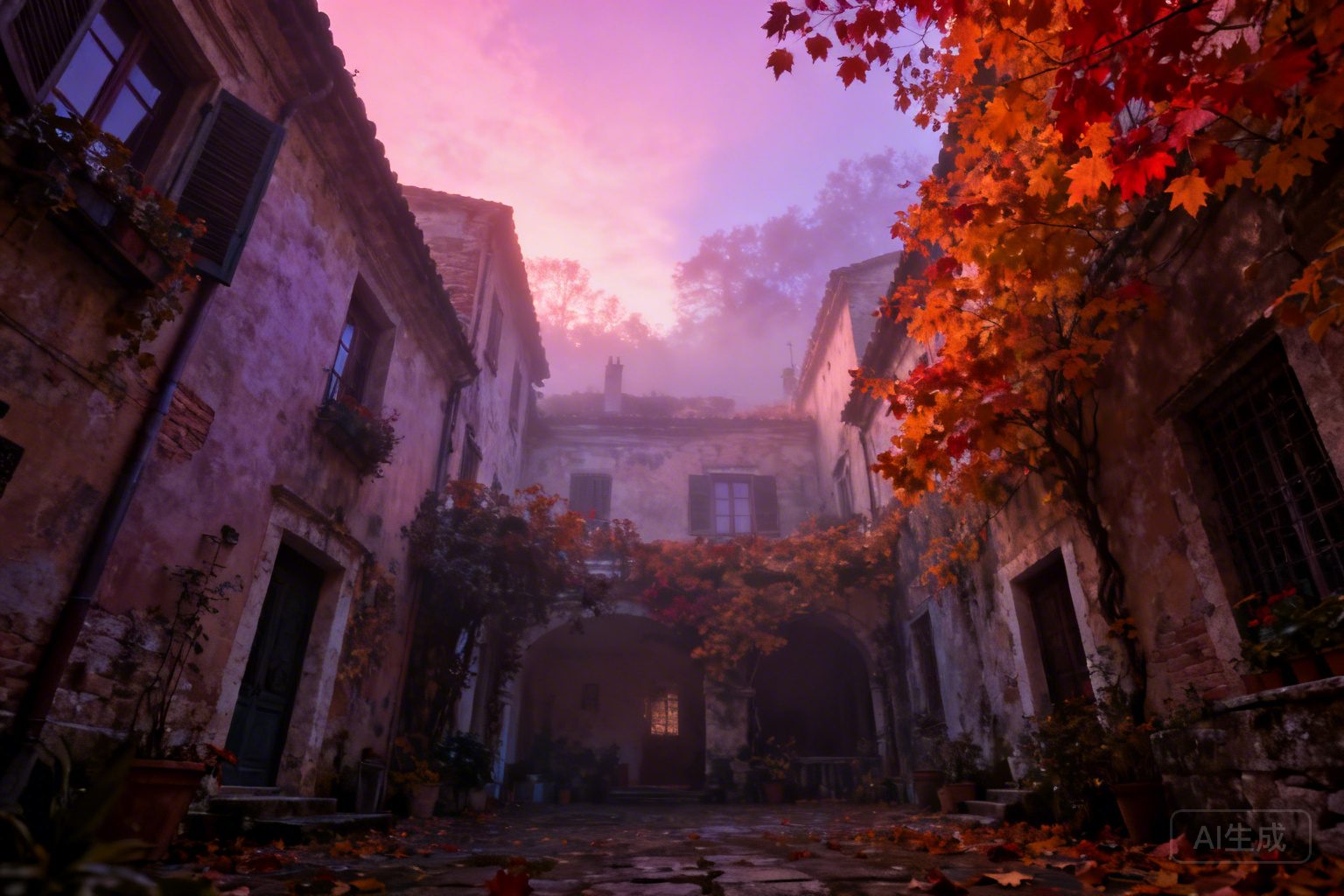
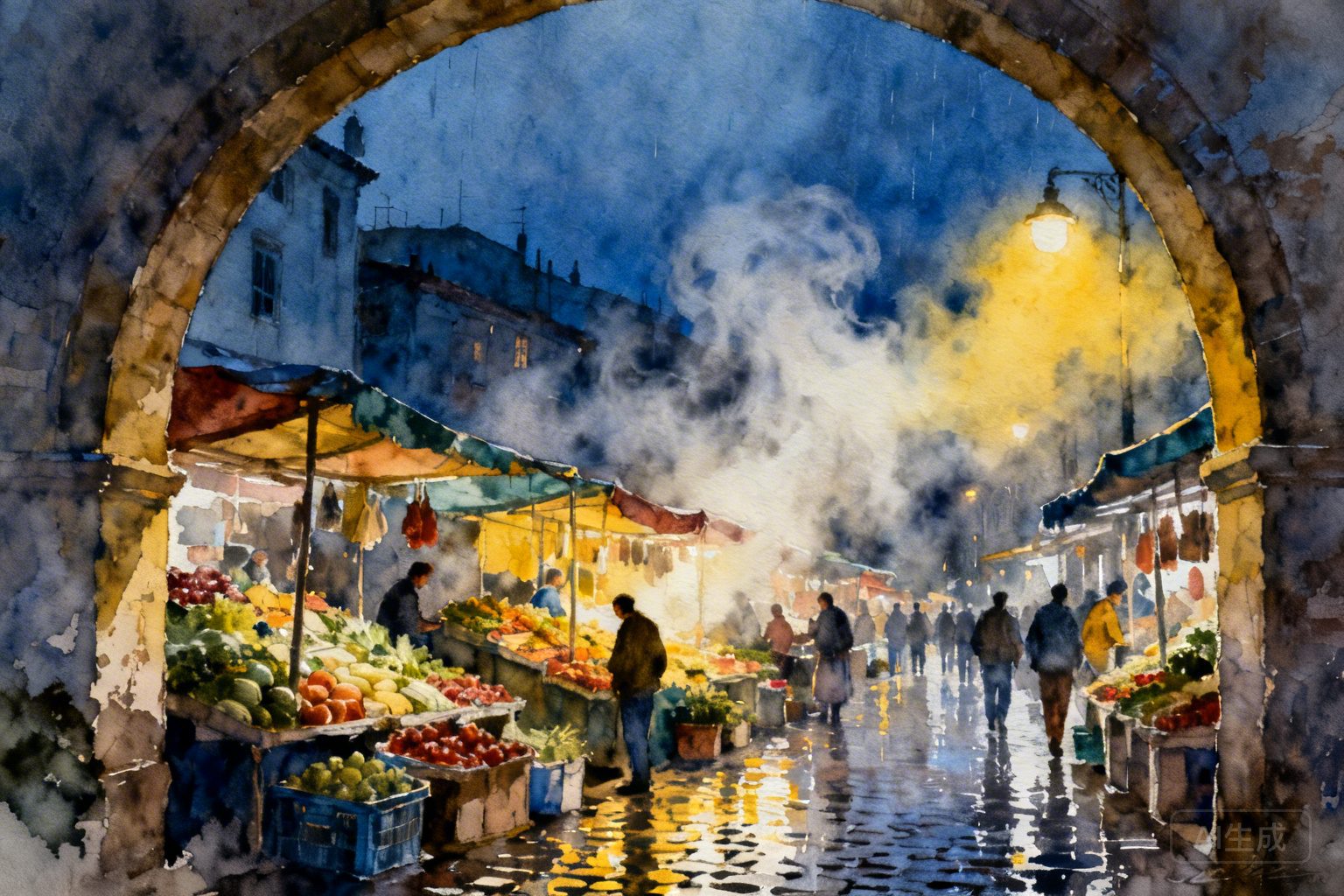
Marseille does not greet you with a handshake; it greets you with a collision. It is a city of rough edges and ancient grime, a sun-bleached necropolis of ambition that smells perpetually of diesel fumes, fermenting sea-urchins, and the metallic tang of an approaching Mistral wind. To arrive at Saint-Charles station is to be spat out onto a limestone staircase that overlooks a sprawling, chaotic theater of stone. The air here is thick, vibrating with the baritone thrum of mopeds and the high-pitched, rhythmic clicking of cicadas that sound less like insects and more like a collective electrical short-circuit. The paint on the shutters of the Rue d’Aubagne isn’t just peeling; it is flaking away in tired, pastel scabs, revealing layers of history—Napoleonic ochre, post-war grey, the defiant turquoise of the 1970s.
This is not the Provence of lavender sachets and soft-focus watercolors. This is a city that demands a physical response. To truly see Marseille is to risk your pulse rate. It is a place where the geography itself is an antagonist, a vertical labyrinth of limestone cliffs and blind alleys where the shadows are as sharp as a switchblade. If you are here for the “Marseille Challenge,” you aren’t looking for a postcard. You are looking for the point where the salt meets the sweat.
The waiter at the corner bistro—a man named Guy with skin the color of a cured ham and a thumb that perpetually occupies the interior of your espresso cup—watches the tourists with a gaze that is neither welcoming nor hostile. It is merely observant. He has seen the empires fall; he can certainly handle your request for a soy latte with a shrug that dismisses your entire cultural lineage. You drink the coffee. It is bitter enough to peel the enamel from your teeth. The game begins.
1. The Vertical Seduction of the Calanques
The first challenge lies to the south, where the city gives way to a prehistoric landscape of white limestone fjords. The Calanques are a jagged white scar between the turquoise Mediterranean and the scorched earth of the hinterlands. To hike the GR 98-51 is not a stroll; it is a scramble across scree slopes that move like marbles under your boots. The wind here—the Mistral—is a physical presence, a cold, invisible giant that tries to shove you off the ridge of Sugiton.