The Most Expensive Suites in Granada: 7 Rooms with World-Class Views!
The Crimson Saffron: A Descent into Granada’s Gilded Attic
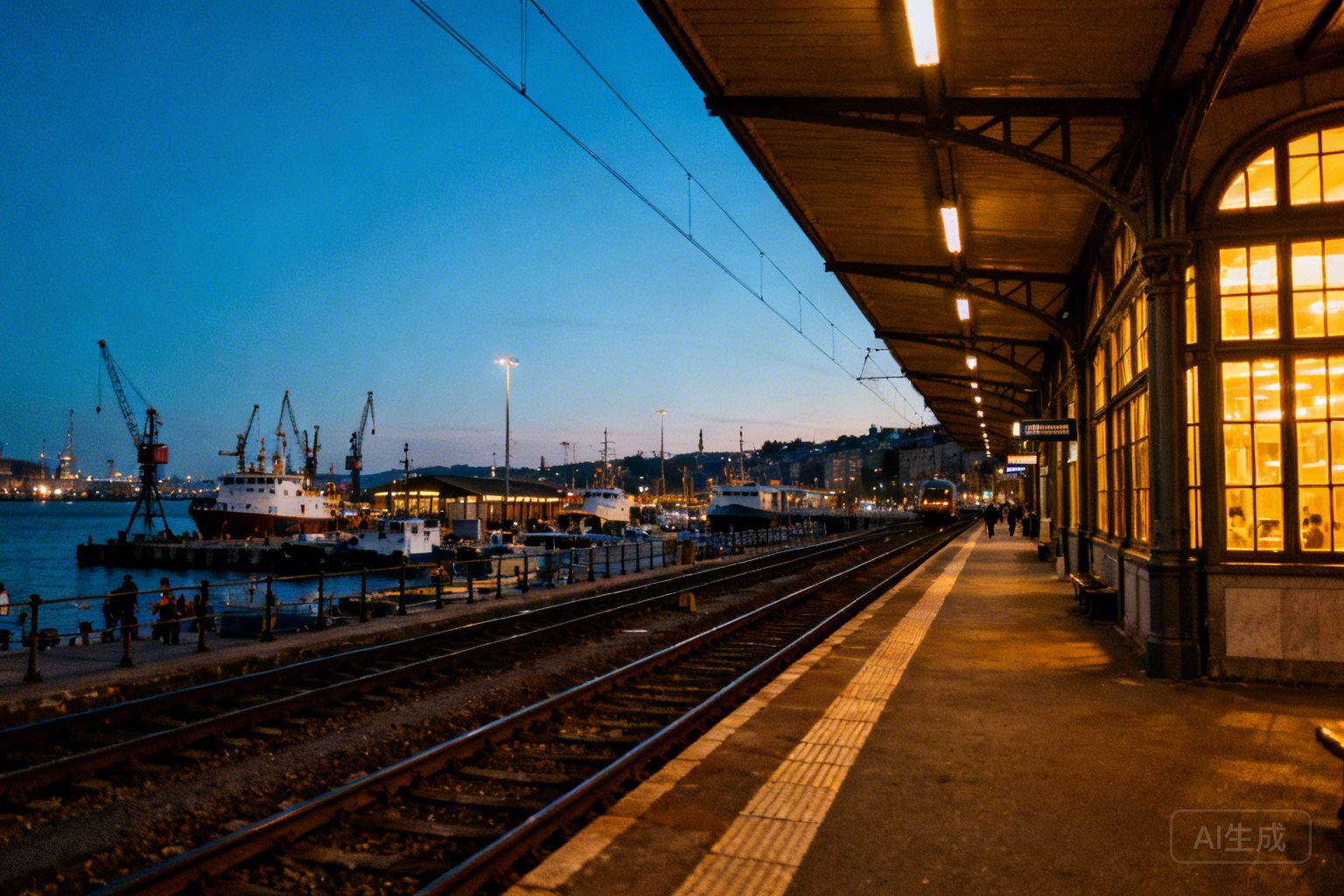
The air in Granada does not simply exist; it weighs. It is a humid, heavy curtain scented with the metallic tang of old copper and the cloying, almost overripe sweetness of jasmine blooming in a hidden courtyard. I arrived at the Estación de Ferrocarril as the sun began its slow, agonizing collapse behind the Sierra Elvira, turning the sky the color of a bruised plum. A man stood near the taxi rank—a waiter, perhaps, or a disgraced count—flicking a cigarette with a mechanical, rhythmic thumb-flick. He wore a waistcoat of frayed velvet, the precise shade of dried oxblood, and his eyes were flat, like two slate coins pulled from the Darro. He didn’t look at me; he looked through me, toward the mountains where the snow still clung to the peaks like spilled salt.
Granada is a city built on the architecture of longing. It is a place where the “Duende”—that dark, visceral Spanish spirit of art and death—isn’t a metaphor but a physical presence felt in the vibration of a guitar string or the way a shadow falls across a Moorish arch. To see it properly, one must be elevated. To understand it, one must retreat into the sanctuaries of the elite. I came seeking the seven rooms that define the horizon of Andalusia, the suites where the Alhambra isn’t a monument, but a roommate.
I. The Tower of the Nasrid: Palacio de Santa Paula
The first stop was the Bishop’s Suite at the Autograph Collection’s Palacio de Santa Paula. Walking through the lobby is an exercise in temporal vertigo; you are stepping over the bones of a 16th-century convent and a 12th-century Moorish house. The air inside smells of cold stone and beeswax. The suite itself is a masterclass in monastic opulence. The door is a heavy slab of chestnut, its grain so deep it feels like Braille under the fingertips, scarred by a century of keys and careless shoulders.
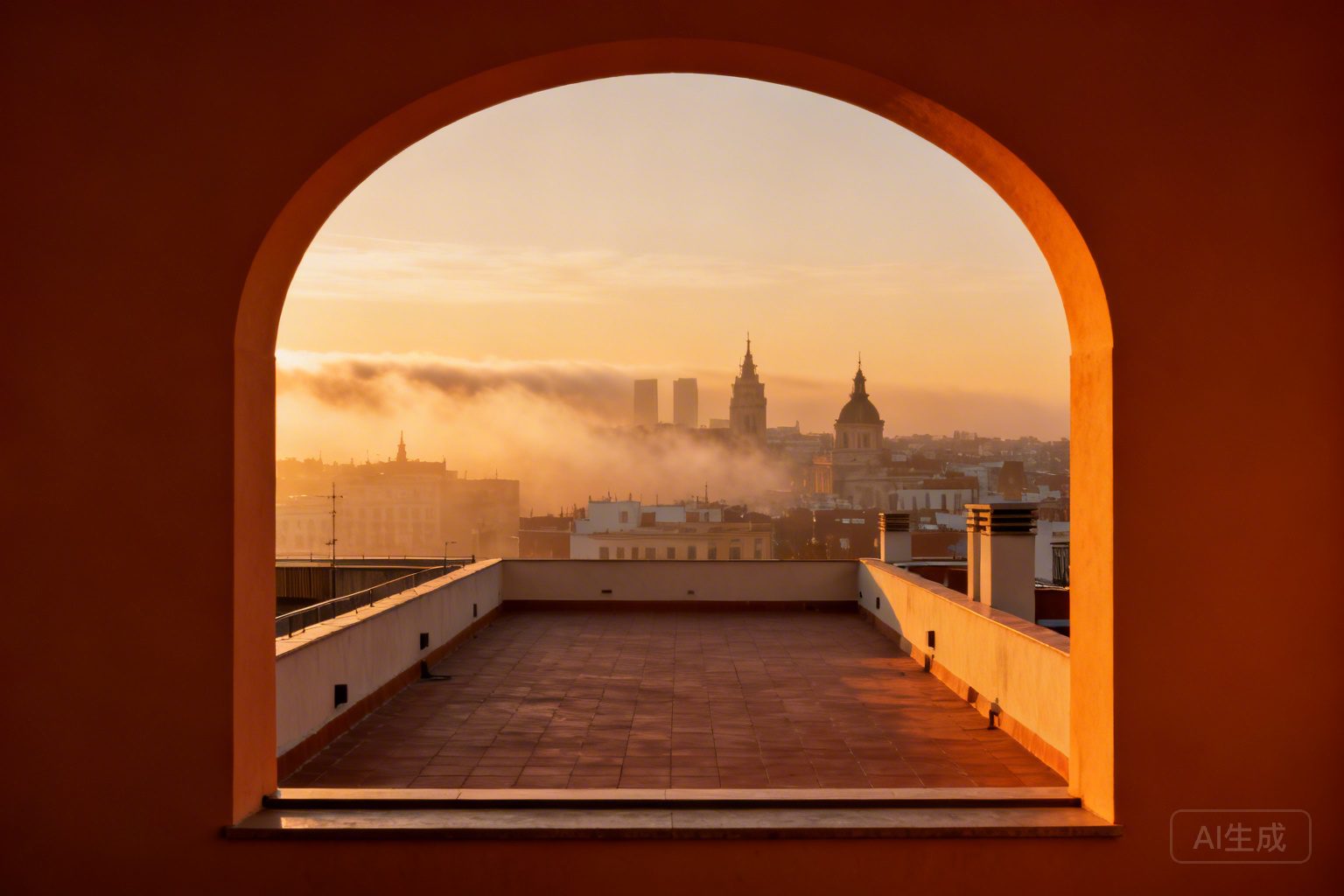
From the balcony, the view is a jagged serration of terracotta rooftops. In the street below, a frantic office worker in a slim-fit navy suit navigates the cobbles, his heels clicking a frantic, caffeinated staccato that dies out against the silence of the convent’s thick walls. He is clutching a leather briefcase as if it contains the secrets of the Grail, his face a mask of modern anxiety in a city that measures time by the century. The wind here, at the corner of the Calle Gran Vía de Colón, is sharp and smells of diesel and orange blossoms. It catches the lace curtains of the suite, making them dance like ghosts of the nuns who once paced these corridors in silent prayer.