The Most Expensive Suites in Montevideo: 7 Rooms with World-Class Views!
The Gaucho’s Balcony: A Fever Dream Above the Rio de la Plata
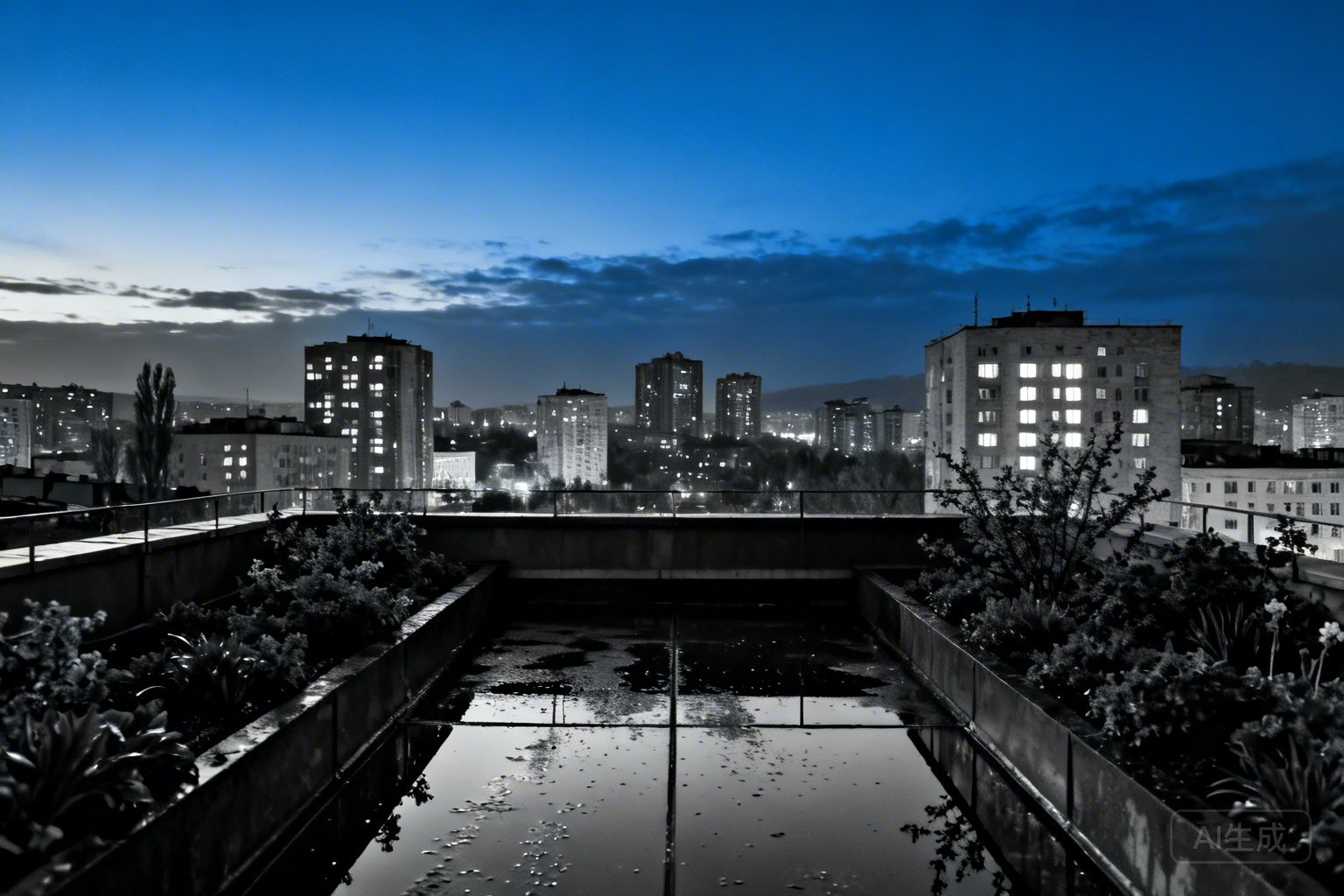
Montevideo is a city that breathes in long, slow, nicotine-stained exhales. It does not possess the frantic, caffeinated urgency of Buenos Aires, nor the polished, emerald vanity of Rio de Janeiro. It is a capital of granite, salt air, and nostalgia, where the 1920s never quite packed their bags to leave. To understand this city—really understand it—you must move beyond the cracked sidewalks of the Ciudad Vieja, where the ghosts of poets drink espresso in shadows, and ascend. You must see it from the heights where the wind, coming off the Atlantic and funneling into the wide, muddy maw of the Rio de la Plata, tells the truth about Uruguay’s quiet opulence.
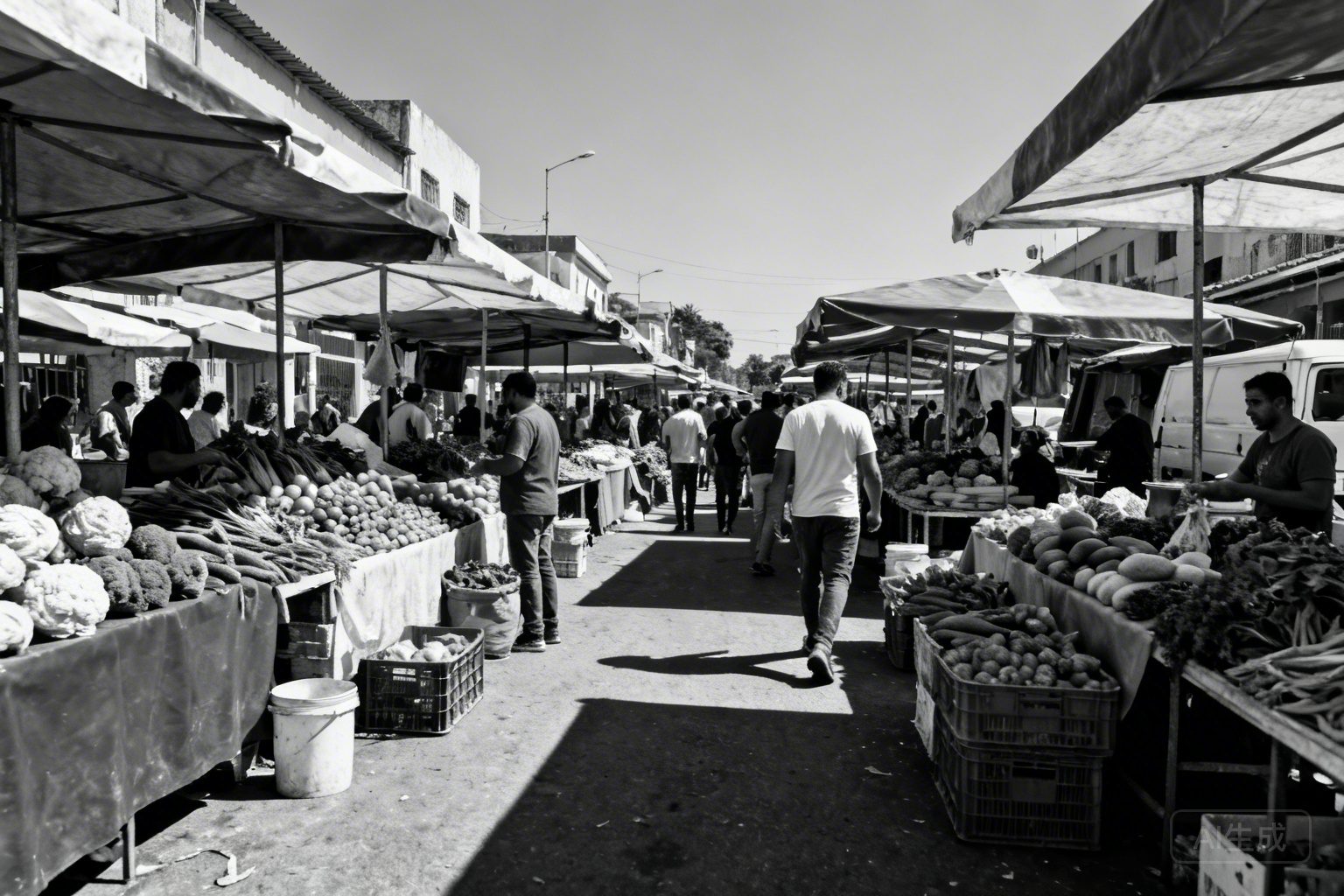
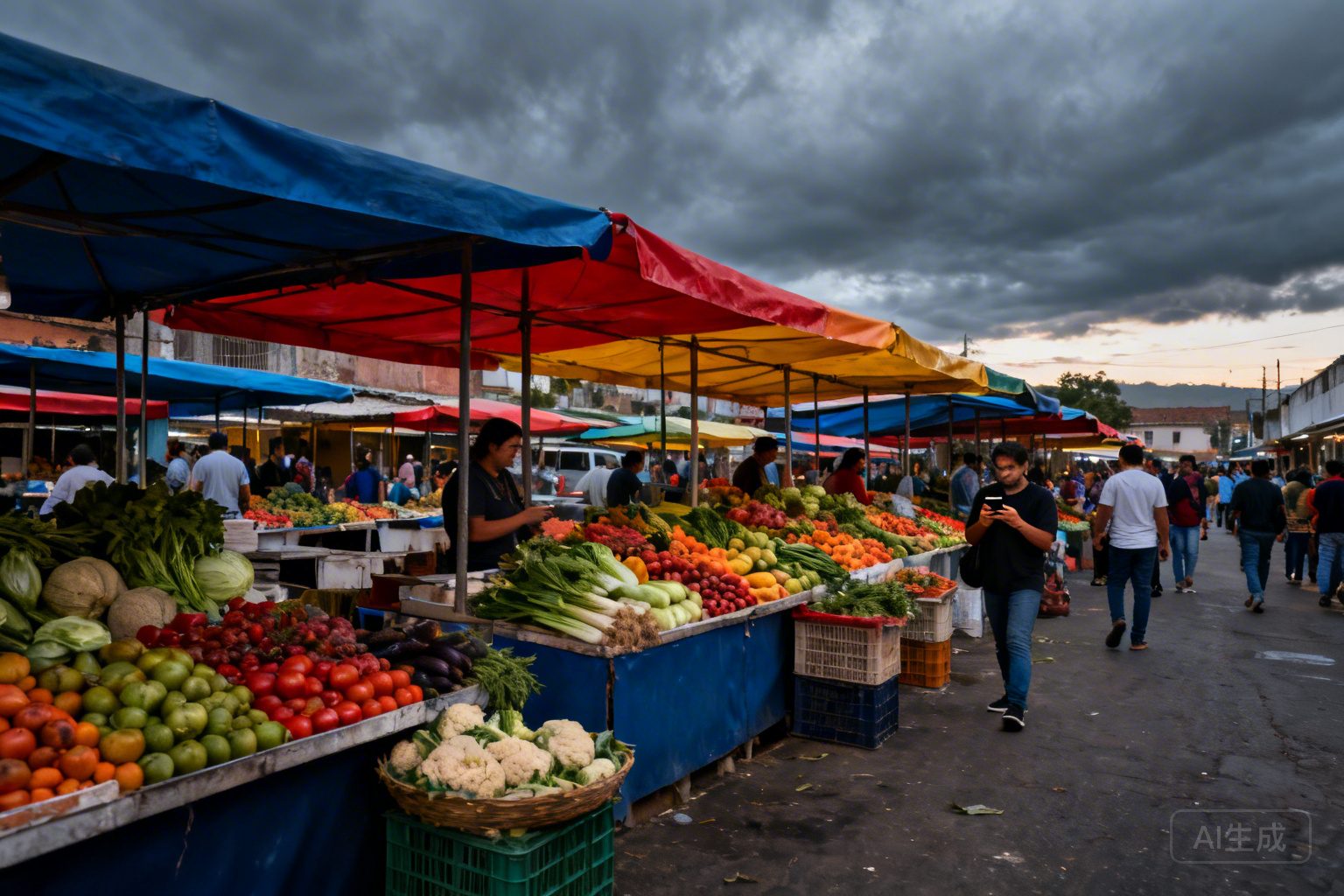
I arrived on a Tuesday, when the sky was the color of a bruised plum. At the corner of Calle Sarandí, a street vendor with skin like cured leather was selling handmade knives, his voice a gravelly baritone that cut through the humidity: “Cuchillos, señores, para el alma.” Knives for the soul. I watched a frantic office worker, his tie loosened like a noose, dodge a slow-moving trolley while clutching a leather briefcase that looked older than he was. He vanished into the mist, a ghost in a grey flannel suit. This is the texture of the ground floor. But I was looking for the sky.
1. The Presidential Suite at Hotel Sofitel Montevideo Casino Carrasco
To enter Carrasco is to step into a different century. The air here is cooler, scented with the resin of towering eucalyptus trees and the salt spray of the beach. The Sofitel, a palace of Beaux-Arts ambition, sits on the coast like a stranded ocean liner of white stone and French grandeur. The Presidential Suite is not merely a room; it is a statement of historical defiance. The floors are a marquetry of Slavonian oak, polished to a mirror finish that reflects the flickering light of the crystal chandeliers.
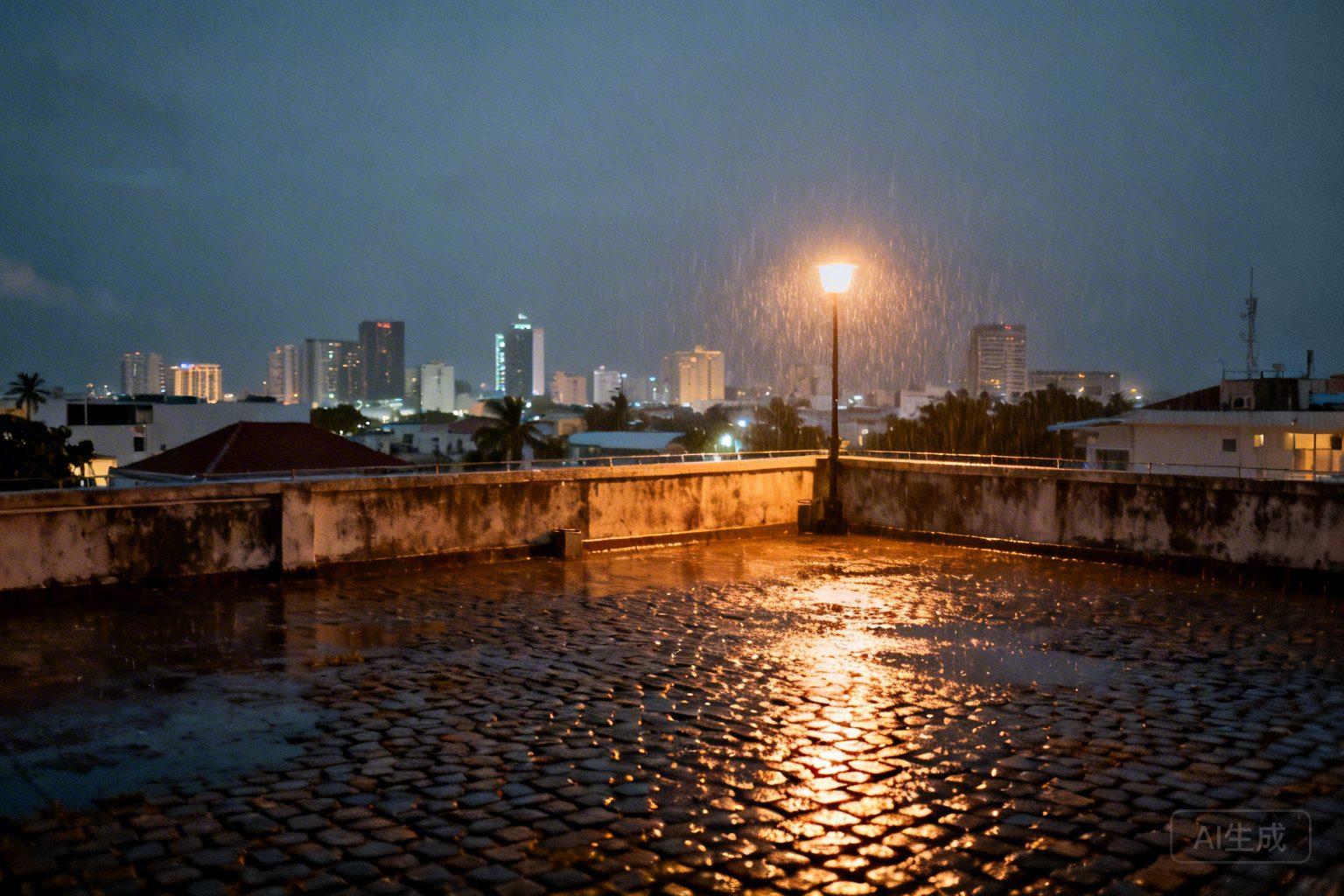
I ran my hand along the walls, covered in silk damask that felt like the underside of a poppy petal. The view from the private terrace is a panoramic sweep of the Rambla—the 13-mile sidewalk that serves as the city’s spine. Below, the water of the Rio de la Plata churns, a deceptive tea-brown that turns to molten silver at sunset. From this height, the joggers and the mate-drinkers look like ants performing a slow-motion ritual. The suite smells of beeswax, expensive tobacco, and the distant, metallic tang of the sea. It is a place where you expect to find a discarded monocle or a telegram announcing the end of a war.