The Most Romantic Spots in Arequipa: 8 Places You Need to Visit!
The Sillar Heartbeat: A Prelude in White
Arequipa does not reveal itself in whispers; it blinds you with a glare of volcanic ash and sun-scalded sillar. They call it the White City, but the moniker feels too clinical for a place that vibrates with the frantic energy of a hummingbird’s wing. To arrive here is to step into a lithic daydream where the buildings are carved from the frozen breath of the Misti volcano. The air is thin, sharp as a switchblade, and tastes faintly of diesel exhaust and dried jasmine. It is a city that demands a witness, and for those searching for romance, it offers a kind of architectural seduction that ruins you for anywhere else.
I stood at the corner of Santa Catalina and Ugarte, watching the shadows stretch like spilled ink across the cobbles. The wind here has a specific pitch—a low, hollow whistle that skips off the petrified volcanic froth of the walls, carrying the scent of roasting coffee and old, damp stone. A frantic office worker, his tie loosened like a silk noose and his brow glistening with the effort of the altitude, shouldered past me, clutching a leather briefcase that looked older than the republic. He was a stark contrast to the city’s inherent stillness, a frantic heartbeat against a chest of stone. This is where our journey begins, in the friction between the ancient and the desperate.
1. The Monasterio de Santa Catalina: A Labyrinth of Crimson Silences
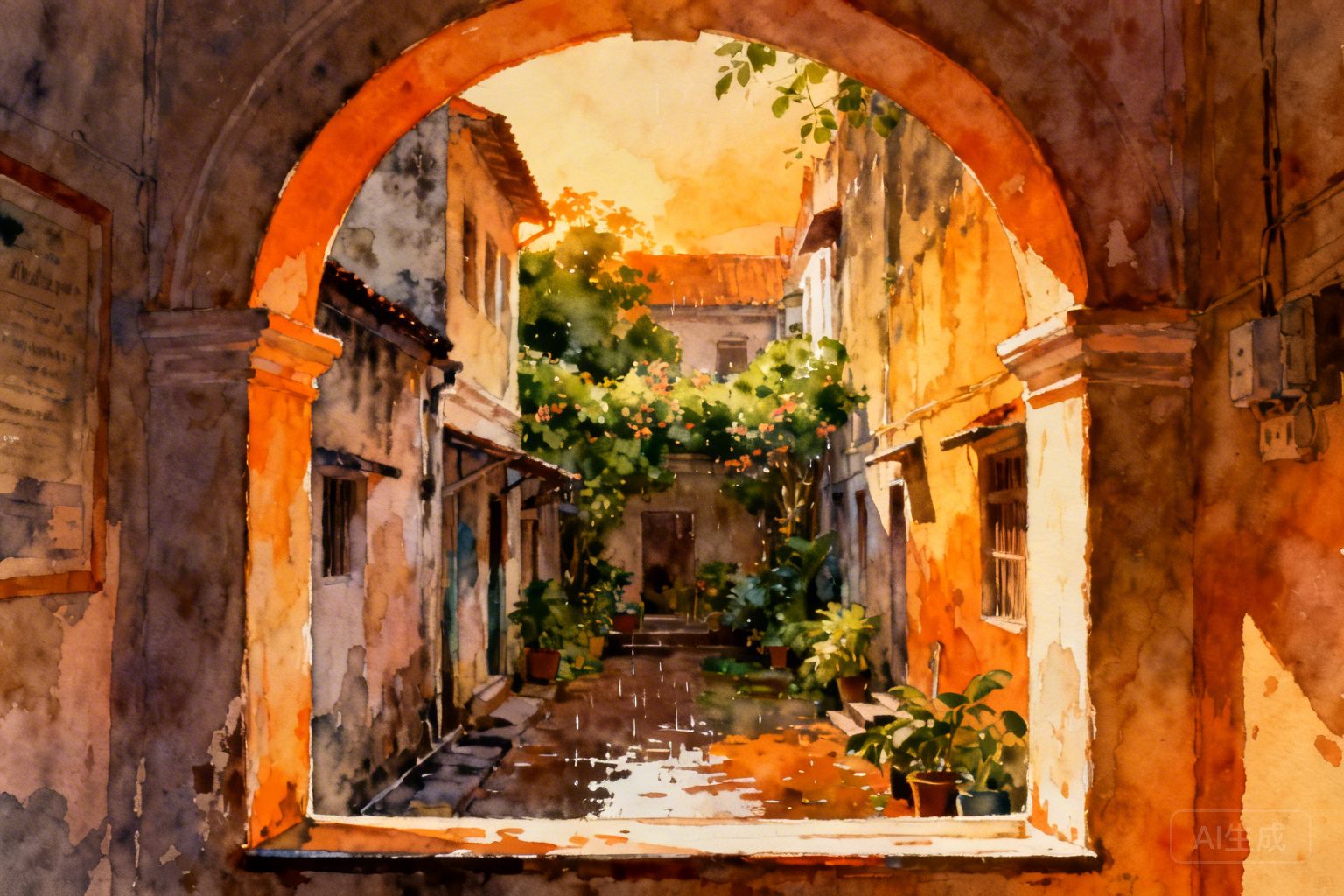
Entering the Monastery of Santa Catalina is less like a tour and more like an intrusion into a collective memory. For centuries, this was a city within a city, a cloistered world where the daughters of the Spanish elite were hidden away behind sillar walls four feet thick. The paint here isn’t just color; it’s a tactile experience. In the Cloister of Orange Trees, the blue pigment is so deep it feels structural, peeling in jagged flakes that reveal the pale, porous stone beneath like a healing wound. It smells of beeswax, wet earth, and the ghost of incense.
To walk these corridors with a lover is to negotiate a maze of intentional isolation. We found ourselves in the “Street of Granada,” where the sun hits the red-washed walls at a 45-degree angle, turning the alleyway into a furnace of light. I watched a silent monk—or perhaps just a man who had mastered the art of disappearance—slip through a doorway that looked too small for a human soul. He didn’t look up. The heavy iron keys jingled at his hip, a metallic percussion that echoed long after he vanished. Here, romance is found in the shadows of the confessionals and the shared realization that beauty is often a byproduct of confinement. The silence is heavy, a physical weight on your shoulders that forces you to whisper, turning every mundane observation into a secret.