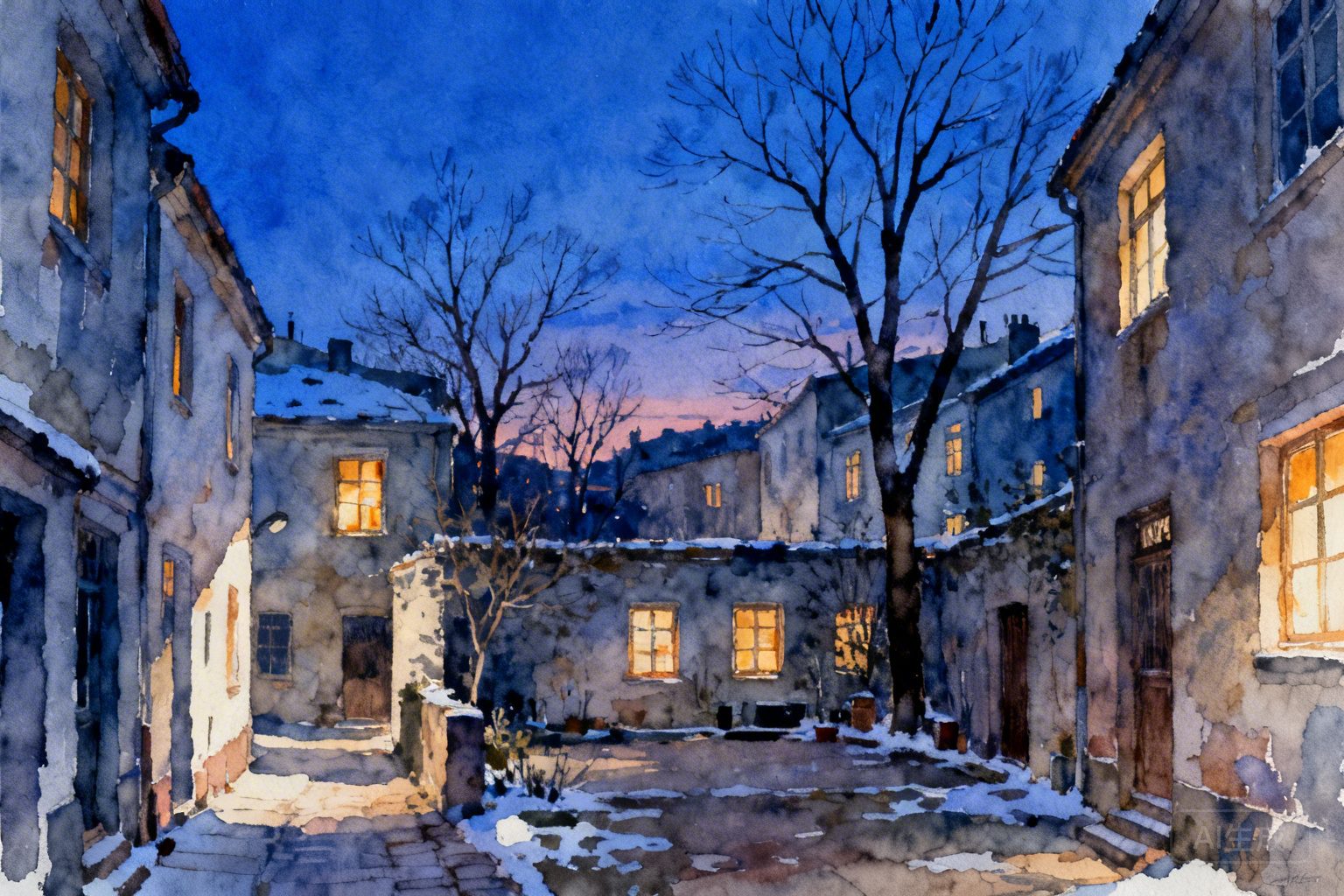
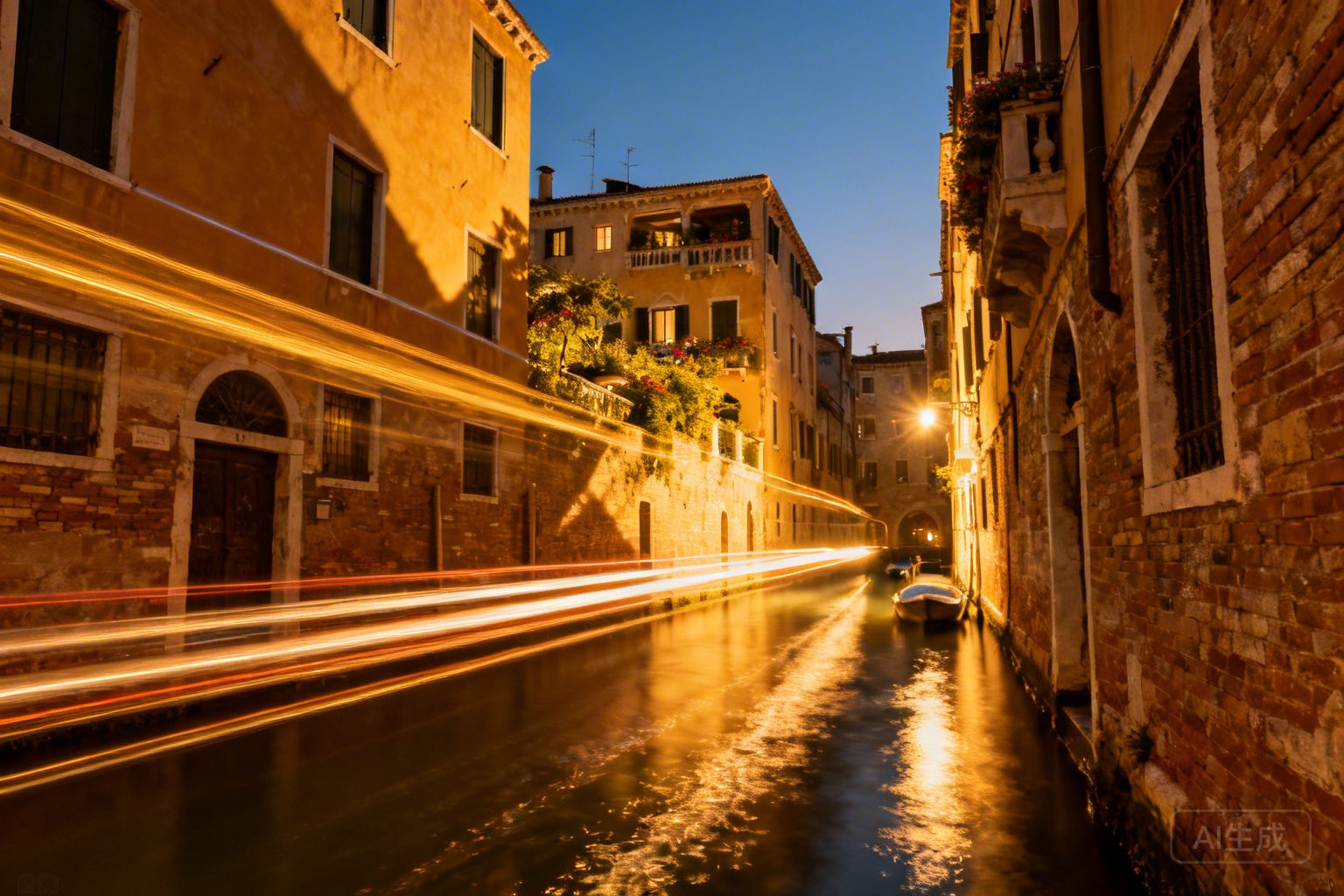
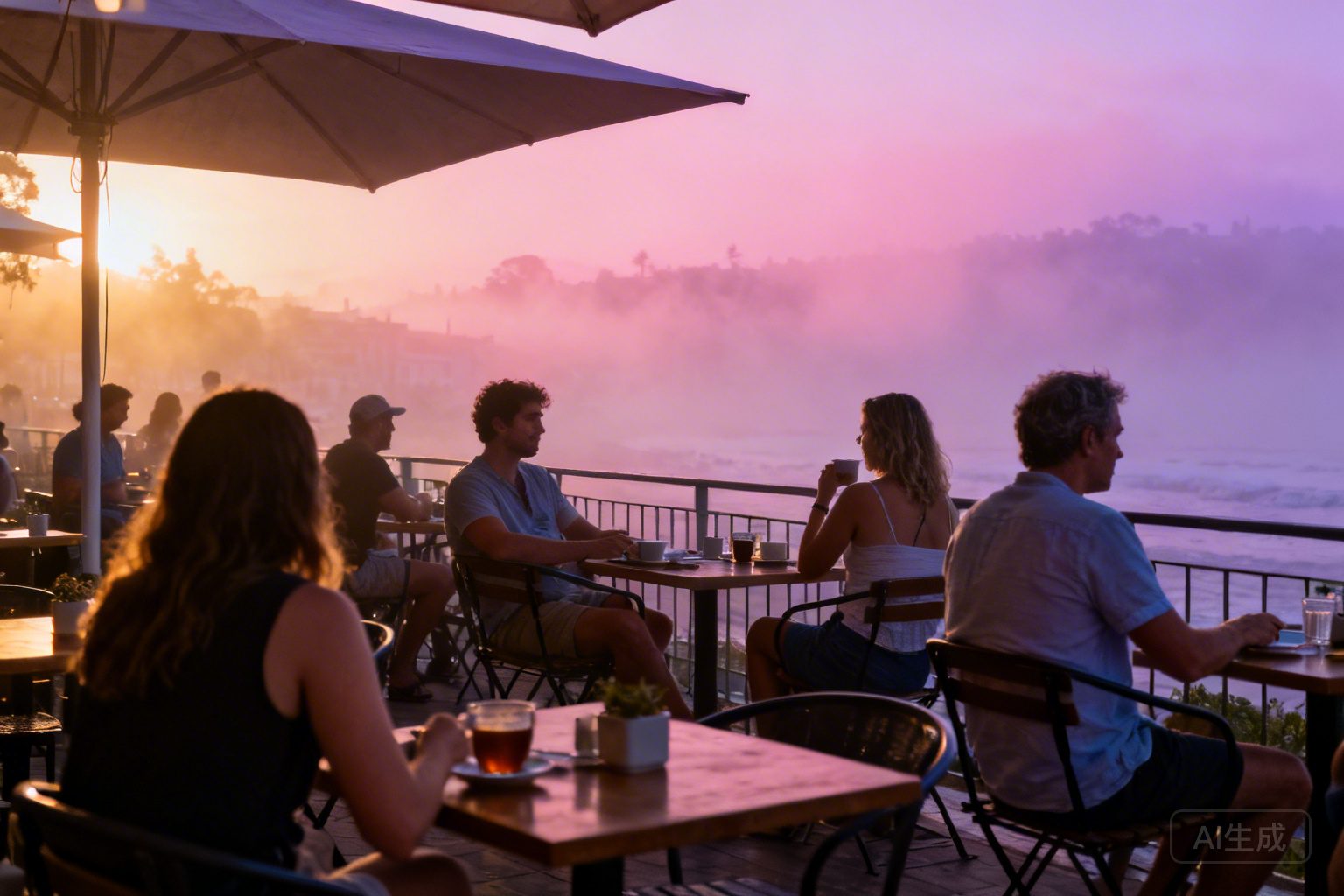
The Most Romantic Spots in Hallstatt: 8 Places You Need to Visit!
The Salt-Stained Serenade: A Love Letter to Hallstatt
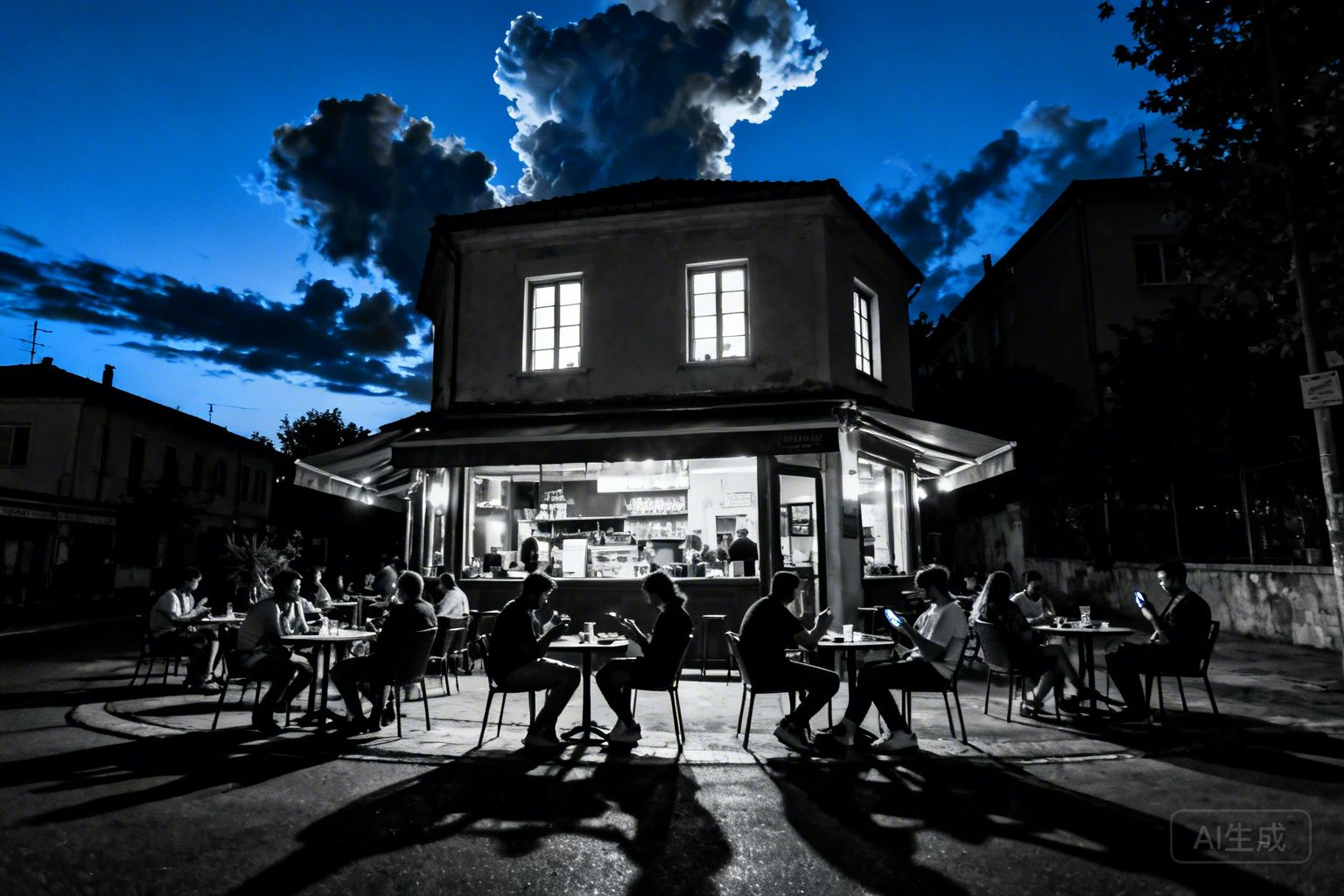
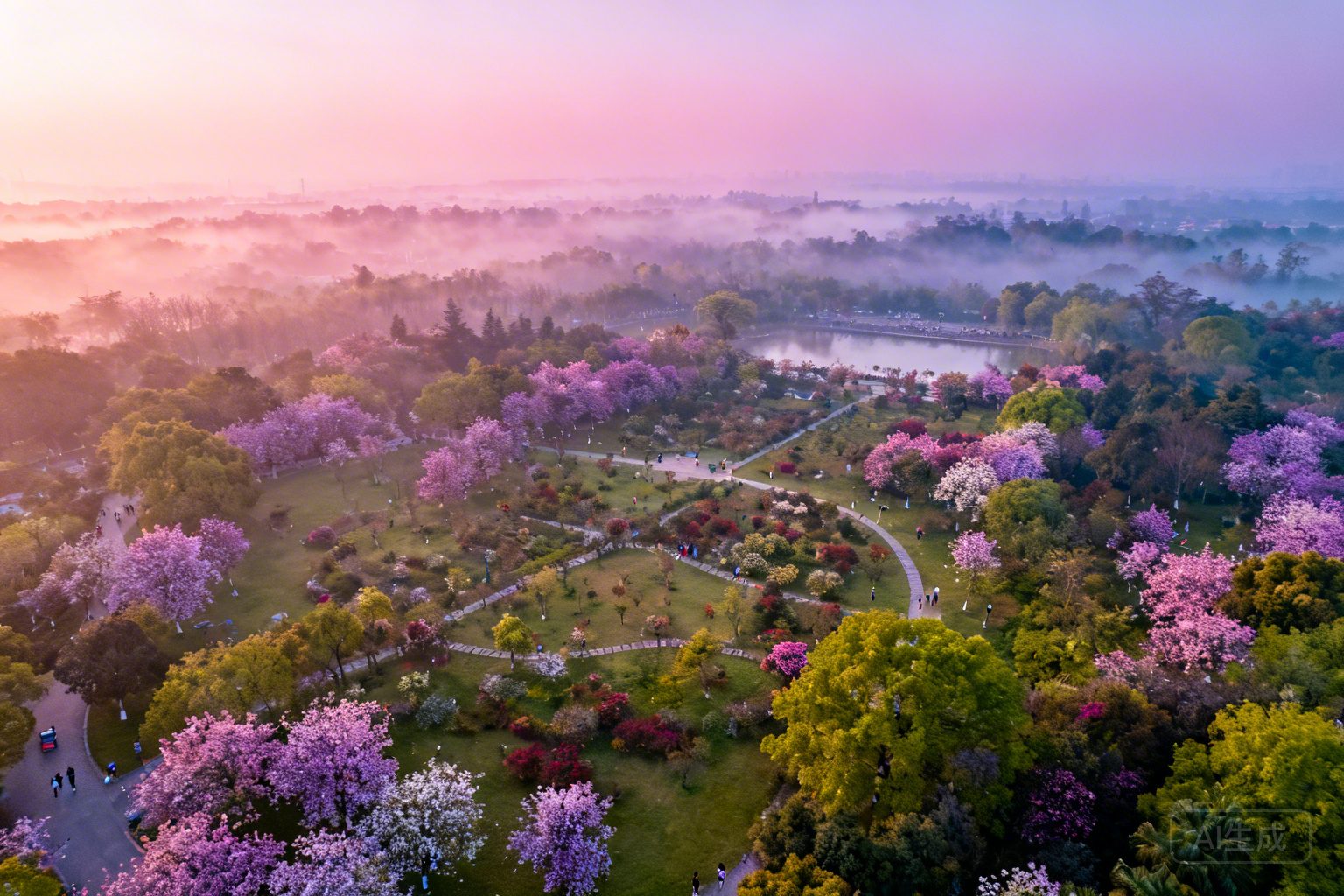
The dawn over the Dachstein Mountains does not break; it hemorrhages. It begins as a bruised violet, a deep, concussive purple that stains the underside of the clouds before dissolving into a pale, anemic gold that reflects off the Hallstätter See with the clinical precision of a surgeon’s mirror. I am standing on the balcony of a room that smells of ancient pine resin and the ghosts of three hundred years of damp winters. The air is not merely cold; it is expensive. It is a thin, rarefied oxygen that tastes of glacial runoff and the faint, mineral metallic tang of salt mines that have been hemorrhaging white gold since the Bronze Age.
To arrive in Hallstatt is to commit an act of architectural voyeurism. The village is an impossibility, a vertical fever dream of 16th-century timber-framed houses clinging to the precipice of a mountain that seems entirely uninterested in supporting them. There is no horizontal logic here. To move is to climb; to breathe is to inhale the damp, dark history of a place that was isolated from the world until a mule track was carved into the rock in the late 19th century. Below me, the first ferry of the morning cuts a silent, white scar across the obsidian water, bringing with it the day’s first pilgrims.
1. The Lahn Boat Landing: The Threshold of Anticipation
Most travelers arrive at the Lahn landing with their eyes glued to viewfinders, missing the texture of the moment. I watch a woman in a heavy, boiled-wool Loden coat—a garment the color of moss and old money—fumble with a set of iron keys. She is a local, her face a map of alpine sun and stubborn winters, moving with a weary grace that ignores the frantic shutter-clicks of a honeymooning couple from Seoul. The air here, at the water’s edge, carries the scent of wet slate and fried char.
The romance of Lahn isn’t in the view of the village—though that is the postcard everyone buys—but in the sound of the water lapping against the stone pilings. It is a rhythmic, hypnotic heartbeat. The wooden benches are slick with morning dew, their green paint peeling in jagged flakes like the scales of a mythical lake beast. If you sit here long enough, the frantic energy of the arrival dissipates, leaving only the cold, hard reality of the mountains looming overhead. It is the perfect place to realize that you are very small, and the person whose hand you are holding is the only thing that matters in the face of such geological indifference.