The Most Romantic Spots in Tashkent: 8 Places You Need to Visit!
The Amber Hour in the City of Stone
Tashkent does not give itself to you all at once. It is not like Paris, which performs for you from the moment you step onto the tarmac, nor is it like Rome, which hits you with the blunt force of its antiquity. No, Tashkent is a city of layers, of secrets buried under Soviet Brutalism and the shifting sands of the Silk Road. To find romance here, one must be willing to look past the wide, sterile boulevards designed for military parades and peer into the courtyards where the scent of basil and roasting lamb hangs heavy in the cooling air. It is a city that requires an appetite for the subtle.
I arrived as the sun was dipping below the horizon, turning the sky the color of a bruised apricot. The wind, a dry, persistent guest from the Kyzylkum Desert, carried the faint, metallic tang of the metro and the sweet, cloying perfume of blossoming mulberry trees. My driver, a man named Rustam with hands like cracked leather and a penchant for cigarettes that smelled of burnt chocolate, drove with a reckless elegance, weaving through traffic as if the lanes were merely suggestions. “You look for love?” he asked, catching my eye in the rearview mirror. “In Tashkent, love is found in the shadows, not the light.”
1. The Chorsu Bazaar: A Symphony of Chaos
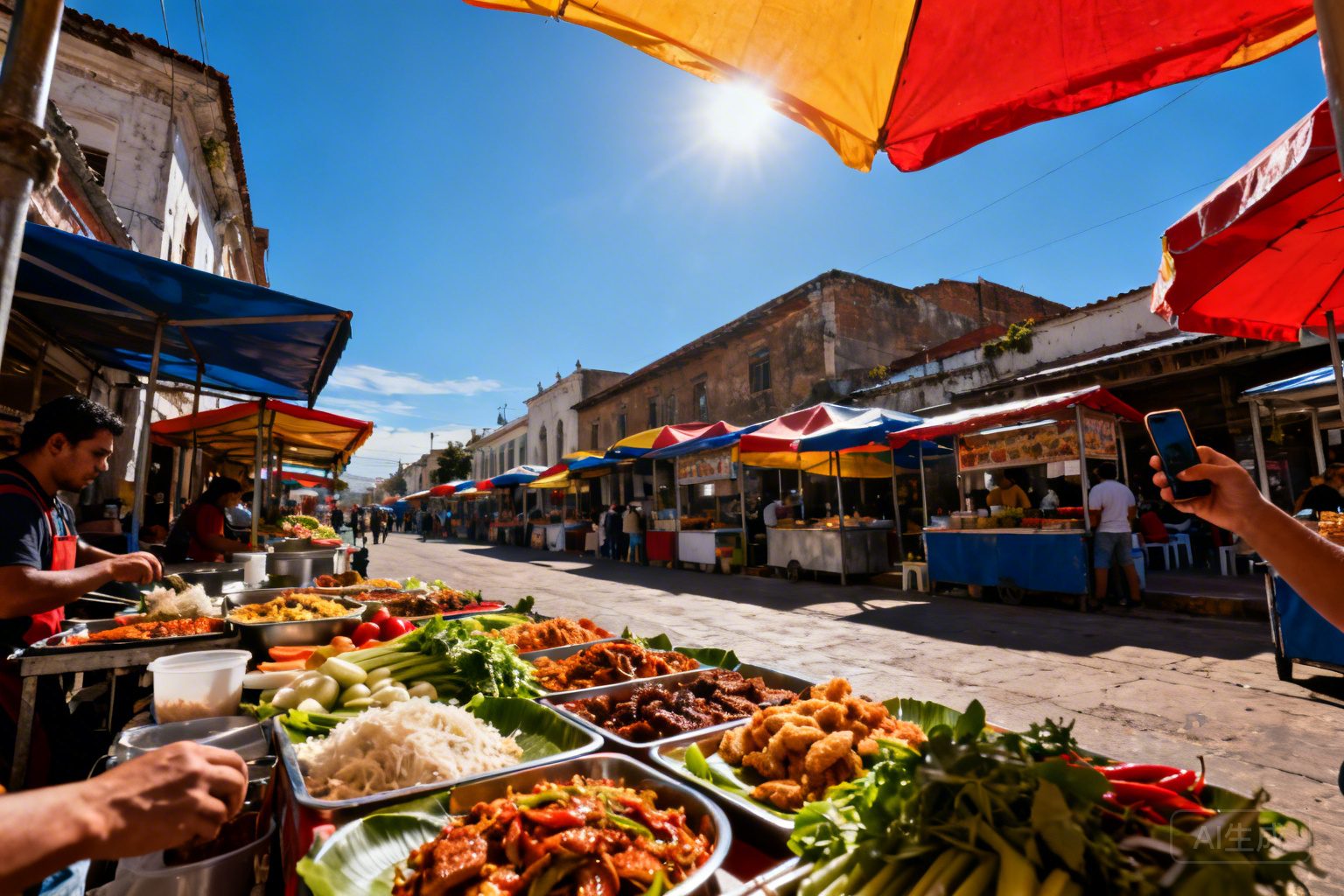
We began at the heart of the beast. The Chorsu Bazaar is a colossal, turquoise-domed lung, breathing life into the city through a cacophony of commerce. To the uninitiated, it is overwhelming. To the romantic, it is a sensory masterpiece. We walked past the spice stalls where the air is thick with the dust of cumin and the sharp, nasal sting of dried peppers. The light here filters through high windows in dusty, perpendicular shafts, illuminating the frantic dance of the vendors.
I watched an old woman—her face a map of ninety Uzbek winters—methodically stacking rounds of non bread. The crust was blistered, golden-brown, and stamped with intricate geometric patterns that looked like ancient spells. She didn’t look up as we passed, her fingers moving with a rhythmic, mechanical grace. Nearby, a frantic office worker in a crisp white shirt that had already surrendered to the humidity was haggling over the price of pistachios, his eyes darting to his watch every few seconds. Contrast him with the butcher, a man of tectonic proportions, who stood silent and immovable behind a slab of marbled beef, his apron a canvas of crimson splatters. It is in this collision of the mundane and the magnificent that the first spark of Tashkent’s romance flickers.